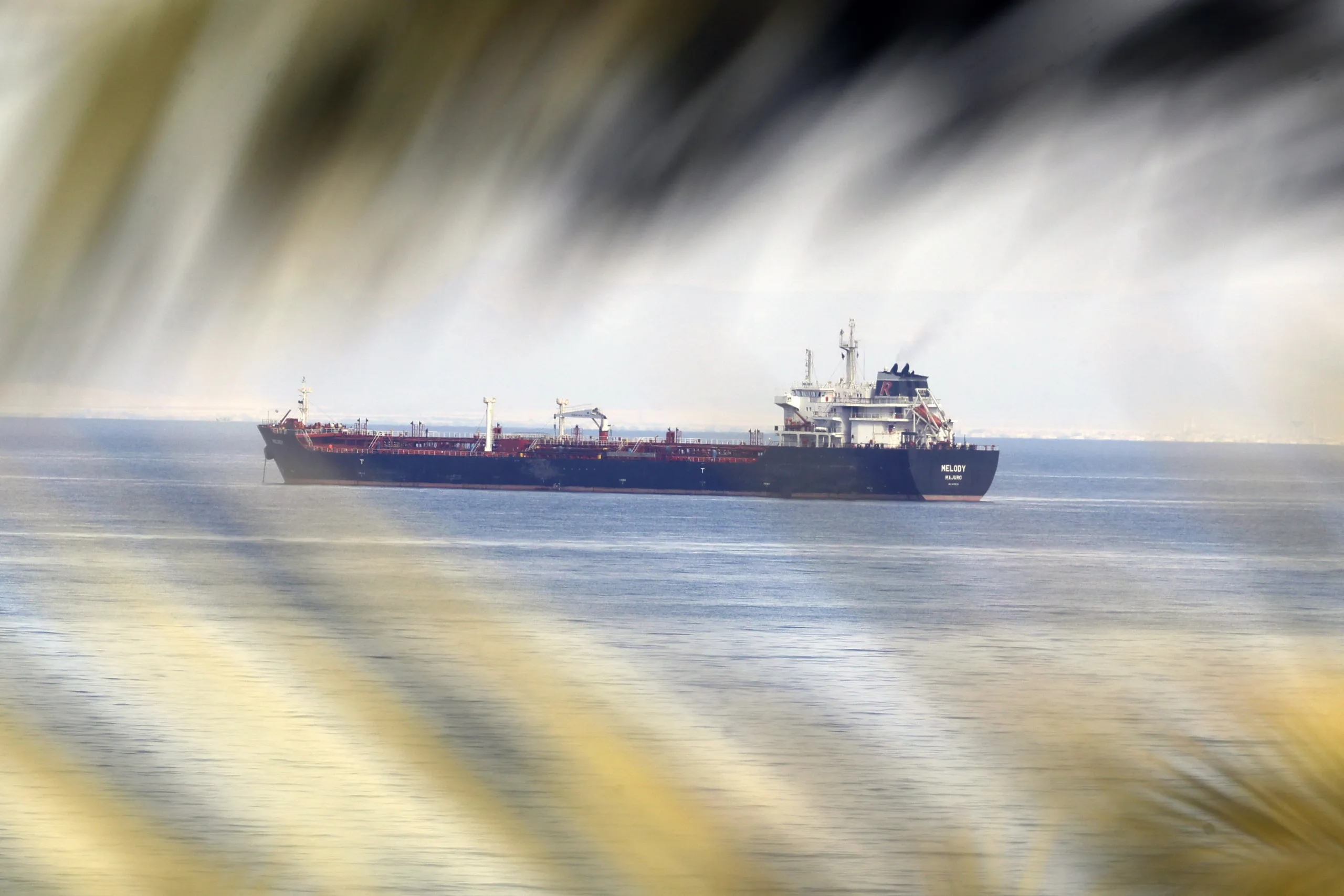

The ongoing conflict between the United States and Iran is sending shockwaves through North Africa, a region already grappling with economic fragility and political instability. The recent escalation of military actions, particularly following the U.S. strikes on Iran on July 8, has reignited tensions, leading to a dangerous cycle of retaliation that threatens the stability of the entire region. The Strait of Hormuz, a critical artery for global oil transportation, is witnessing diminished movement, causing global fuel prices to rise once again, which directly impacts North African economies that are heavily reliant on imports.
As countries such as Egypt and Tunisia struggle with their financial health amidst these geopolitical tensions, the delicate balance of power in North Africa is increasingly jeopardized. Libya's political landscape, already precariously balanced, faces additional strain. The economic ramifications of the U.S.-Iran war are becoming evident, as North African nations navigate a landscape of dwindling resources and rising costs. These developments are exacerbating existing vulnerabilities and pushing the region closer to a state of polycrisis, where multiple crises converge simultaneously.
Economic Vulnerabilities and Regional Dependencies
North African economies, characterized by their import-oriented structures and energy demands, are particularly susceptible to the fallout from the Iran conflict. The earlier skirmishes highlighted this vulnerability when Iran's actions led to a significant disruption in energy markets, impacting national budgets across the region. For instance, Tunisia, which had budgeted with an oil price assumption of $63 per barrel, found itself grappling with prices surging beyond $100, straining its reserves and compelling the government to seek emergency loans from neighboring states. Similarly, Egypt's energy crisis deepened as it turned to costly spot markets and foreign sources for gas following the disruption of key exports.
The situation is dire not only for energy supplies but also for agricultural and food security. The fertilizer industry, which plays a crucial role in sustaining North Africa's agricultural output, has been compromised due to decreased exports of essential chemicals like urea and sulphur. As a region that imports over half of its food, North Africa is facing soaring food prices and rising government expenditure, which further aggravates food insecurity—a problem that has already reached alarming levels in recent years.
Strategic Responses and Future Outlook
The implications of this war extend beyond immediate economic distress; they pose a significant threat to social stability and governance in North Africa. With remittances from the Gulf countries serving as a critical lifeline, any downturn in Gulf economies could have a cascading effect on North African countries, particularly Egypt, which has a substantial number of citizens working in the region. The dependence on these remittances, alongside foreign investments from Gulf nations, underscores the precariousness of North Africa's economic health. A decline in these financial inflows could lead to heightened social unrest, as evidenced by ongoing protests in Tunisia and Morocco over worsening economic conditions.
As the geopolitical landscape shifts, Europe must recognize the opportunity to reshape its relations with North African countries. The EU's recent pact for the Mediterranean presents a timely framework for enhancing partnerships aimed at stabilizing the region. By offering financial support through mechanisms such as Special Drawing Rights from the IMF, and extending aid for food security and resilience, European nations can help mitigate the effects of the ongoing crisis. Initiatives focused on green energy development, infrastructure investment, and private sector engagement can further solidify these relationships while addressing the immediate economic challenges faced by North African nations.
In conclusion, the U.S.-Iran conflict represents a pivotal moment for North Africa, one that could either precipitate a deepening crisis or forge a path toward recovery and stability. The choices made by European nations in response will be critical, as they navigate the complexities of regional dynamics and seek to foster a more secure and prosperous neighborhood.
As reported by ecfr.eu.