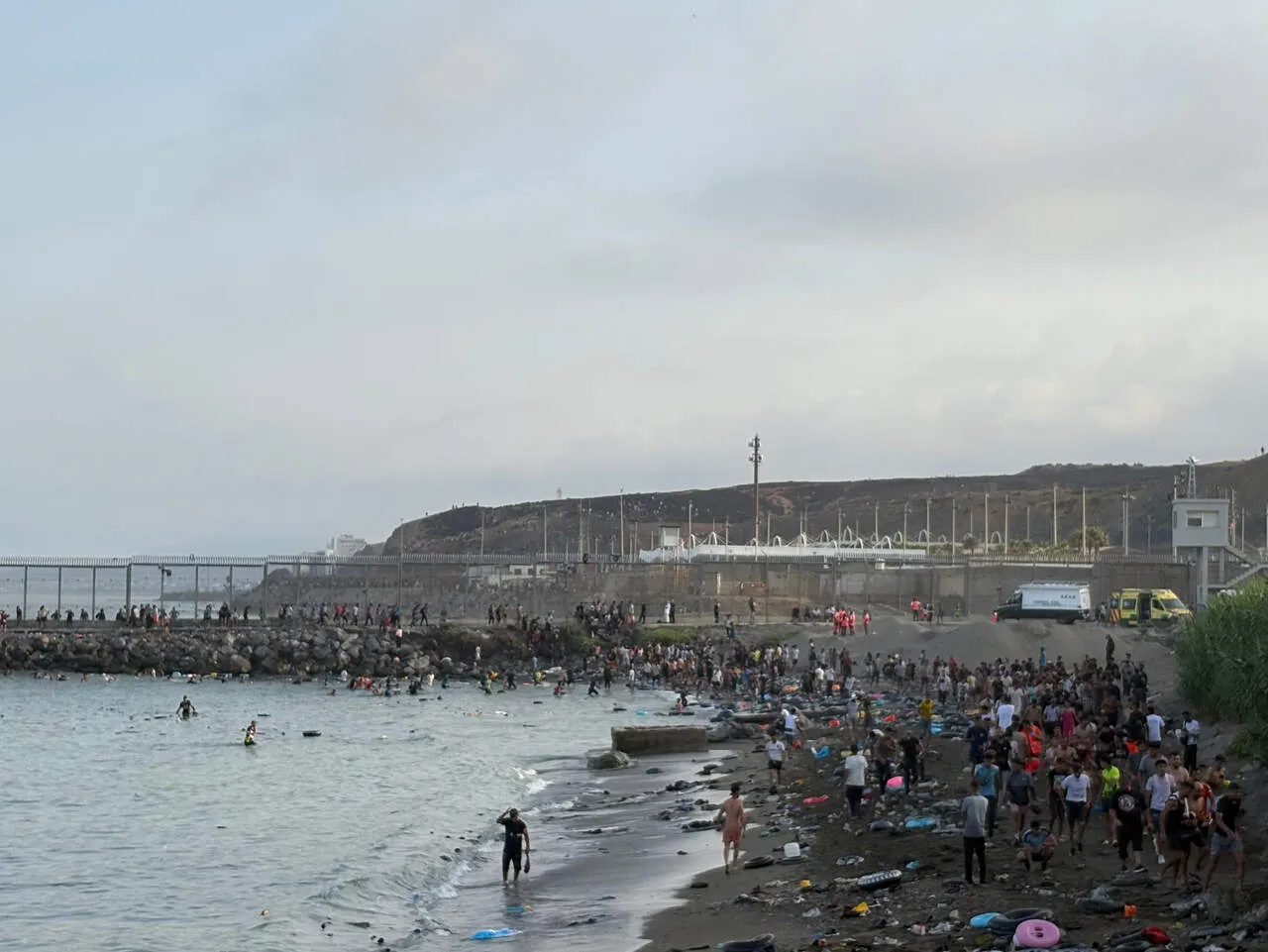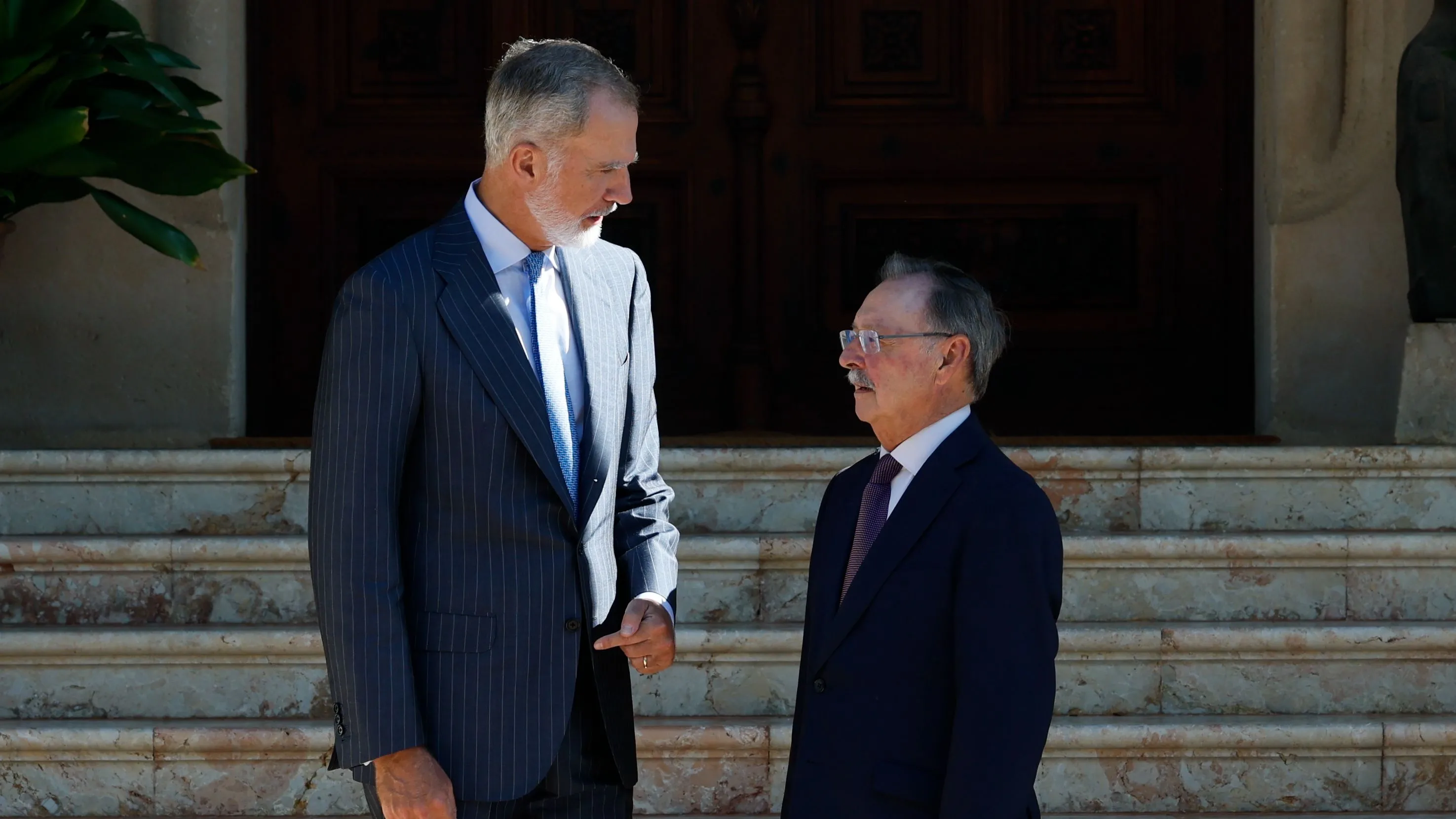

The recent announcement by Spain's Prime Minister, Pedro Sánchez, regarding King Felipe VI's forthcoming visit to Ceuta, contingent upon "the right conditions," has reignited the debate surrounding the appropriateness of such a trip. This visit is not merely a token gesture of support for the residents of Ceuta following the massive influx of migrants on July 30 and 31; it could also be interpreted as a provocation by Morocco, which has longstanding territorial claims over the autonomous cities. This potential visit would mark the first time in nearly two decades that a monarch has set foot in Ceuta, fulfilling a prior commitment made by King Felipe VI shortly after the onset of the migration crisis, as stated by Ceuta's president, Juan Jesús Vivas. Nevertheless, the Royal House has yet to make an official statement on the matter.
So, what does this visit entail? What ramifications might it have on the bilateral relationship between Spain and Morocco? Could it lead to a diplomatic crisis? While no specific date has been set for this visit, experts are analyzing the potential consequences, emphasizing the delicate nature of the current political climate. Historically, royal visits to Ceuta and Melilla have been infrequent. The last official visit by a Spanish monarch occurred in November 2007 when King Juan Carlos I and Queen Sofía visited, a trip that stirred diplomatic tensions with Morocco, leading to the withdrawal of Morocco's ambassador to Spain. This incident underscores the sensitivity surrounding royal visits to these territories, particularly in light of Morocco's claims that they are occupied cities.
The Historical Context of Royal Visits
The last state visit to Ceuta by a Spanish head of state occurred nearly 20 years ago, and historically, members of the royal family have rarely visited these territories in Africa. The first state visit was made by King Alfonso XIII in 1927, post the Rif War. The next notable visit took place in September 1970 when then-Princes Juan Carlos and Sofía arrived aboard a naval destroyer to commemorate the 50th anniversary of the Tercio Duque de Alba 2nd Legion. Fast forward to 2007, and King Juan Carlos's visit, although aimed at strengthening ties, led to significant diplomatic backlash from Morocco, which condemned the visit and deemed it counterproductive. The historical context raises questions about how a potential visit from King Felipe VI might be perceived today, especially given the current migration crisis and the geopolitical landscape.
Experts highlight that the situation now is markedly different than it was in 2007. The geopolitical dynamics surrounding the migration crisis and the preceding years of improved relations under former Prime Minister José Luis Rodríguez Zapatero complicate the analysis. Isabel Fernández Molina, a professor of International Relations at the University of Exeter, notes that Morocco's response back then was largely performative, aimed at addressing domestic pressures while prioritizing stability in bilateral relations.
The Complex Spain-Morocco Relationship
Ceuta and Melilla have been integral parts of Spain long before the modern state of Morocco gained independence in 1956. The historical context reveals that Ceuta was conquered by the Portuguese in 1415, while Melilla came under Spanish sovereignty in 1497. Despite this, Morocco continues to assert claims over these autonomous cities, citing geopolitical and geographical factors. This claim has persisted since Morocco's independence, although there has been an implicit understanding to maintain the status quo.
The relationship between Spain and Morocco is characterized by complexity; both nations collaborate on various fronts, including migration control and counter-terrorism efforts, while also maintaining significant trade relations. Spain is Morocco's primary commercial partner, making a cordial relationship crucial. However, the current political climate suggests that the Spanish government is wary of escalating tensions with Morocco, especially in light of the upcoming Moroccan legislative elections, where nationalistic sentiments may be heightened. Faculty members from various universities emphasize the importance of careful navigation in these diplomatic waters, as the repercussions of a royal visit could lead to significant shifts in the relationship between the two countries.
In conclusion, should King Felipe VI proceed with the visit to Ceuta, it could signify a firm stance on Spain's sovereignty but might also risk inciting a serious diplomatic crisis with Morocco. Experts warn that such a gesture could irreparably alter the dynamics of Spanish-Moroccan relations and complicate future collaborations, particularly concerning migration issues. As the situation unfolds, it remains critical for both governments to assess the implications carefully, ensuring that diplomatic channels remain open and constructive.
As reported by rtve.es.