
Unraveling the Complex Relationship Between Spain and Morocco
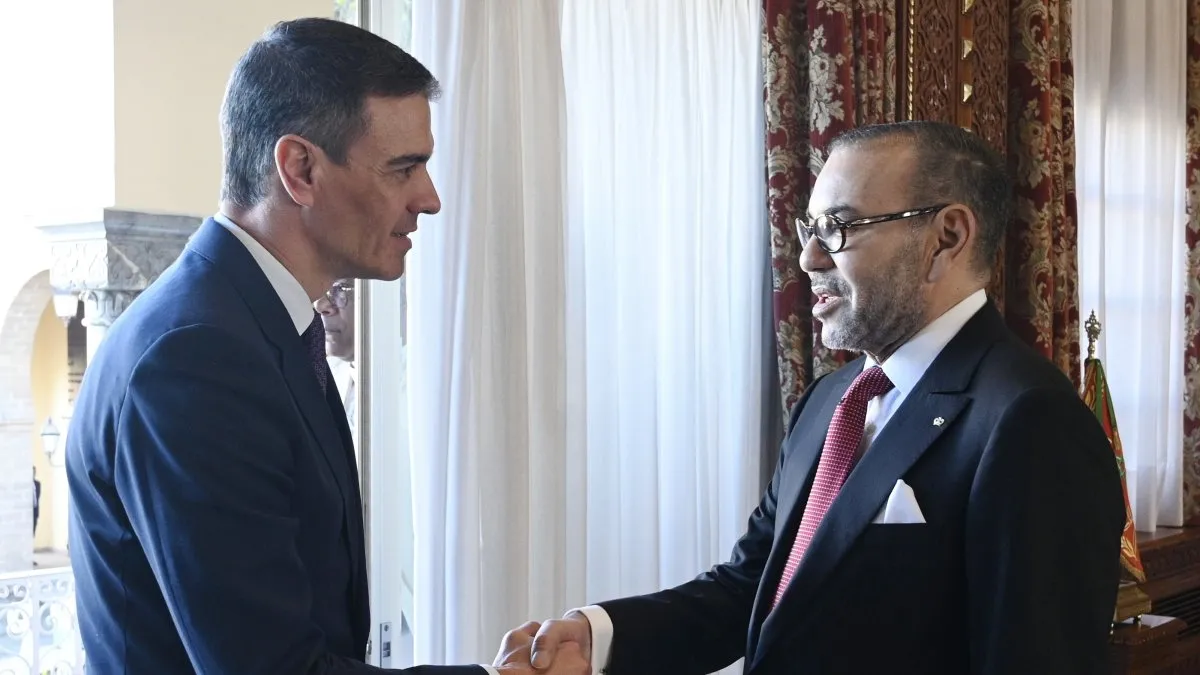
The Pegasus software has long served as the go-to explanation for various political intrigues in Spain, particularly concerning the suspicion that Morocco possesses enough compromising material to manipulate the Spanish Prime Minister, Pedro Sánchez. This unsettling hypothesis, however, is deemed insufficient by Sahrawi analyst Taleb Alisalem. In an insightful interview with ESdiario, Alisalem presents a theory that transcends mere digital blackmail. He asserts that, in decades of analyzing conflicts, he has witnessed a scenario unprecedented in any other country: a government that, while under attack, protects its aggressor.
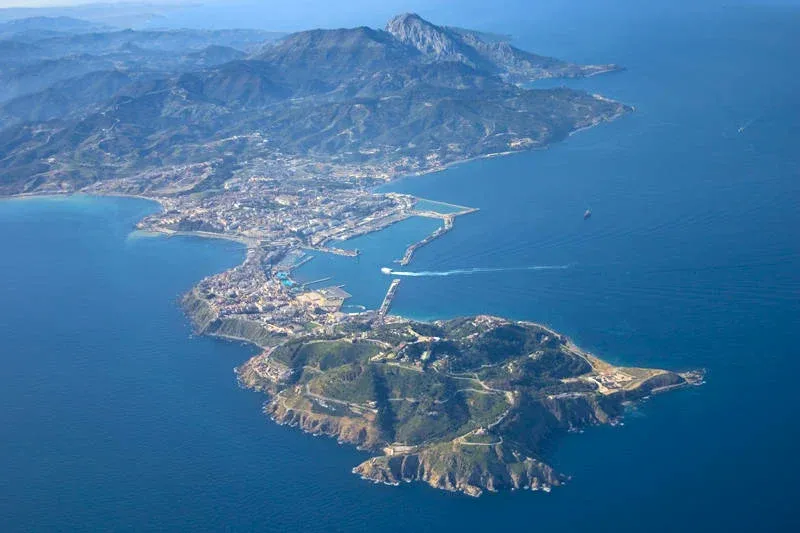
According to Alisalem, the crisis in Ceuta should not be dismissed as a diplomatic accident or merely the consequence of a file stolen through Pegasus. Instead, he argues that it is indicative of a "perfectly organized structure within the Socialist Party (PSOE) that operates directly in favor of Morocco's interests, contrary to the welfare of its own nation." When questioned about whether this network is financially supported by Rabat, he responds unequivocally, stating, "Yes, totally." Alisalem's assertions point not to an obscure militant, but rather to an entrenched institutional structure that extends from the historical PSOE to its current iterations.
The Influence of Key Political Figures
Alisalem scrutinizes influential figures within the PSOE, such as Felipe González, who has maintained a long-standing rapport with the Alaouite monarchy. He also highlights José Luis Rodríguez Zapatero, noting that his well-paid conferences have, in Alisalem's view, provided a platform for legitimizing the occupation of Western Sahara. Other notable names mentioned include Miguel Ángel Moratinos, José Bono, Juan Fernando López Aguilar, and María Antonia Trujillo, all of whom have had a lasting impact on Spanish politics, particularly Zapatero, who has cultivated deep economic interests over the years with the Moroccan state apparatus known as the Majzén.
The narrative does not stop with former presidents; Alisalem invites scrutiny of current officials, including José Manuel Albares, due to his time in Paris and connections within the Moroccan elite, as well as Fernando Grande-Marlaska. Although there is no current public record of financial transactions to active leaders, Alisalem predicts that such information will eventually surface. It is crucial not to feign innocence. When a government relinquishes control over Western Sahara, finances the Moroccan Interior Ministry, remains silent at the border, and treats a nation that weaponizes immigration as a "reliable partner," the question shifts from being rhetorical to critical: What does the PSOE owe Morocco? While Pegasus might explain a veil of silence, an established structure bought over decades could elucidate a broader state policy. If such suspicions are validated, the implications extend beyond a mere espionage scandal; they touch upon fundamental issues of national sovereignty.
As reported by esdiario.com.