
The Iron Curtain: Understanding the Tensions Between Algeria and Morocco
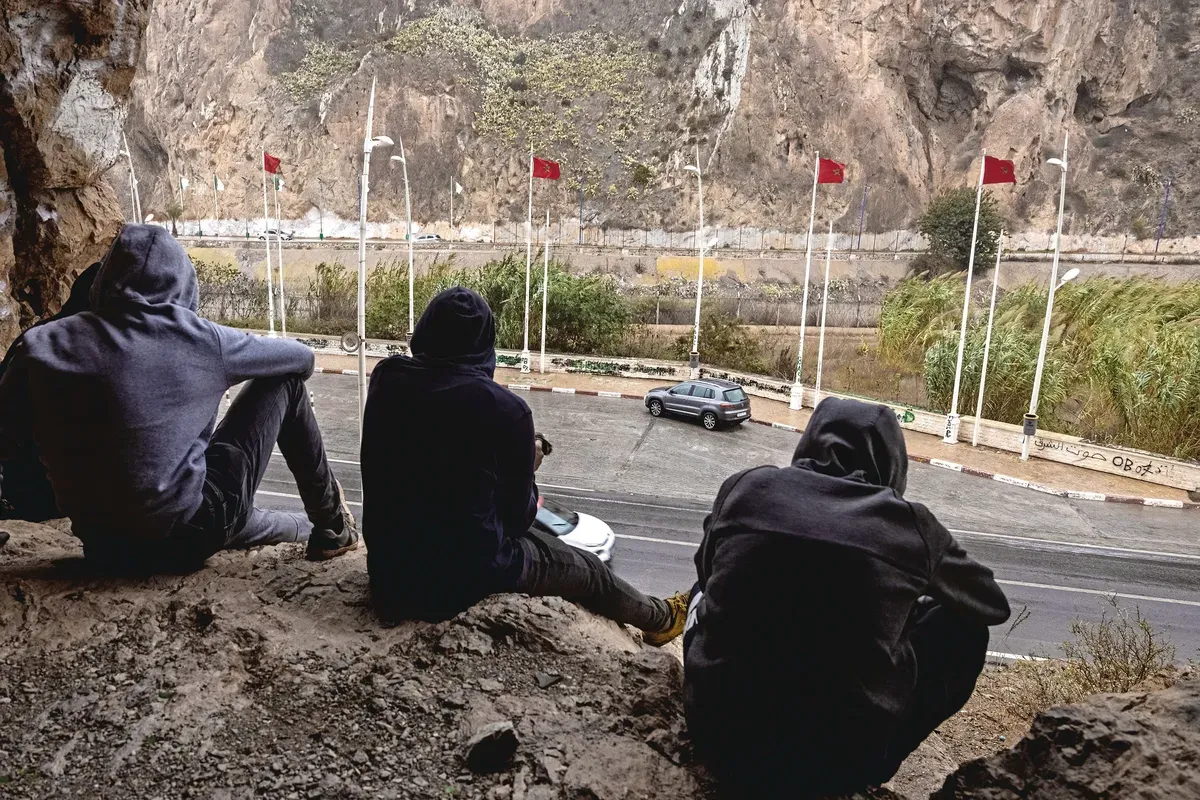
The closure of the border between Algeria and Morocco since 1994 has led to severe economic repercussions for both nations. This prolonged standoff raises questions about the underlying motivations for such an unnatural blockade between two countries that share deep religious, cultural, and linguistic ties. The situation is further complicated by an escalating arms race, the full extent of which remains uncertain. The implications of this divide are not merely economic; they also pose significant challenges for regional stability and diplomatic relations.
The historical context of the border closure illustrates a stark shift from what was once a relatively cooperative relationship. Both Algeria and Morocco have rich histories intertwined by shared struggles for independence and regional identity. However, the political landscape has evolved, leading to increased animosity fueled by territorial disputes and differing ideological stances. This rift has resulted in not just a physical separation but also a psychological barrier, reminiscent of a modern-day iron curtain that isolates two peoples who could otherwise benefit from collaboration.
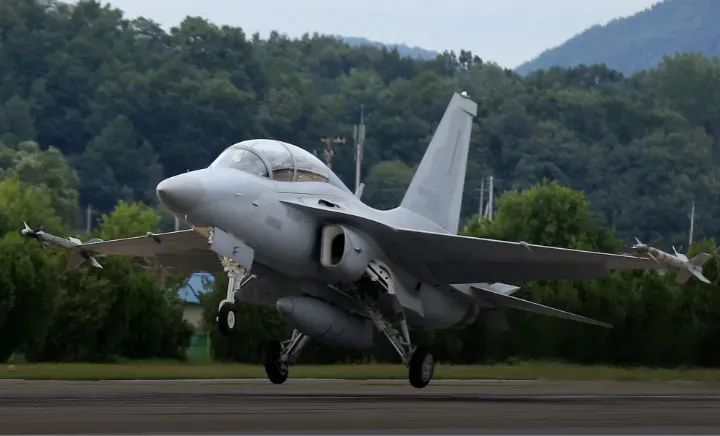
As the geopolitical climate continues to shift, the implications of this division become even more pronounced. The ongoing militarization, characterized by increasing defense expenditures and strategic alliances, raises concerns about a potential conflict that could destabilize the region further. The situation necessitates a closer examination of the motives behind the blockade and the urgent need for dialogue to foster better relations. Understanding the historical grievances and current dynamics is essential for any meaningful resolution to this enduring conflict.
As reported by ladiaria.com.uy.