
Understanding the Impasse in Western Sahara
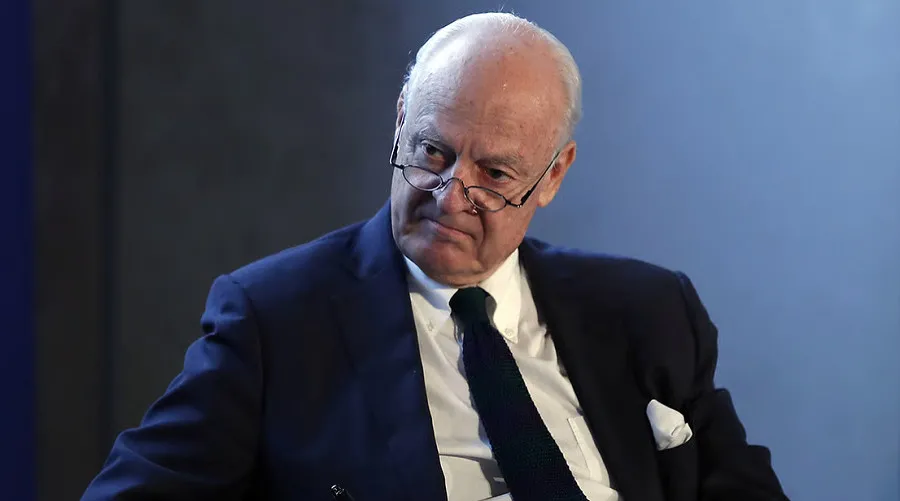
On October 8, 2026, Staffan de Mistura's closed-door briefing to the United Nations Security Council unveiled the stark limitations of Morocco's fait accompli strategy in Western Sahara. The personal envoy of the UN Secretary-General delivered a blunt assessment: the political process has hit a "wall." Despite Morocco's media celebrations regarding recent diplomatic support, the reality on the ground and international law necessitate a significant reevaluation of the situation.
This analysis, widely reported by both international and regional media, highlights the failure of Moroccan diplomacy to impose its 2007 autonomy plan as an unavoidable reality. The UN envoy firmly reiterated that no autonomy formula can be imposed upon the Sahrawi people. By emphasizing that the future of this non-self-governing territory is intrinsically linked to the free exercise of the right to self-determination, the UN disavows Rabat's attempt to eliminate the referendum option.
Rather than endorsing Morocco's project as it stands, Staffan de Mistura presented a document of around forty pages delineating strict criteria for "genuine" autonomy. According to the United Nations, this autonomy must be accompanied by institutions with real prerogatives and, crucially, strong international guarantees to prevent any regression or forced assimilation policies by the occupying power. This requirement for international oversight underscores the international community's lack of trust in Rabat's unilateral promises.
The Call for Flexibility in Negotiations
While Morocco systematically attempts to shift the responsibility for the conflict onto its neighbors, the call for flexibility made by the UN envoy is directed at both parties, placing the colonizer in the position of the guilty party. Recent rounds of discussions in Washington and Madrid have faltered due to Morocco's rigid stance, which refuses to negotiate the core issues of the conflict. In conclusion, this briefing serves as a reminder to Morocco that sovereignty cannot be declared through unilateral statements: without the free consent of the Sahrawi people, the occupation will remain legally illegitimate and diplomatically contested.
Morocco's refusal to negotiate the fundamental aspects of the conflict illustrates its unwillingness to engage in meaningful dialogue. The Moroccan stance is that it has nothing to negotiate, asserting that its solution is simply to withdraw from the Sahara. This situation reflects a colonial mindset, where Morocco, supported by predatory nations, has acted as if it owns the territory, reminiscent of Israeli practices in Palestine.
Looking back at the colonial history, it is evident that external powers, including France and Israel, have played a pivotal role in shaping the current dynamics. The creation of the Makhzen was a strategic move to counter Algeria's ambitions, with the monarchy merely a puppet established by France following the 1955 agreement. The series of negotiations leading to Morocco's independence from French protectorate status were marred by external influence, suggesting that the sovereignty of the Moroccan state is still heavily reliant on foreign support.
As the Sahrawi people continue to endure suffering, the imperative to end this suffering has never been more pressing. The international community must recognize the plight of the Sahrawis, who have shown remarkable restraint, largely due to Algeria's influence. The time has come for the Sahrawis to assert their right to self-determination, and the global community must assist them in this pursuit.
As reported by algeriepatriotique.com.