
The Recent Surge of Migrants in Ceuta
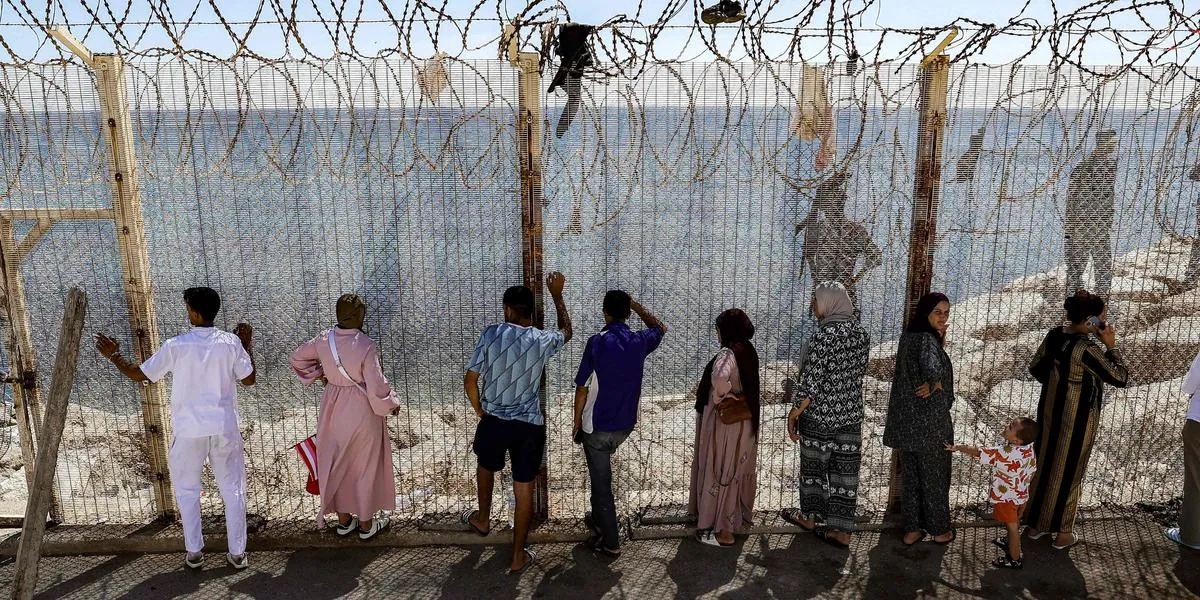
In recent days, Ceuta, the Spanish enclave located on the African continent, has experienced an unprecedented influx of migrants, with estimates suggesting that between 50,000 and 60,000 individuals have entered the territory within a span of just two to three days. This sudden surge, primarily facilitated by migrants swimming around the small border checkpoint extending into the Mediterranean, has raised significant questions regarding the potential diplomatic motivations behind Morocco's apparent easing of border controls in the region.
Reports from the Agence France-Presse (AFP) and insights from various experts indicate that the Moroccan government may have intentionally relaxed its border enforcement to exert pressure on Spain. This strategy, if true, could be seen as a maneuver by Rabat to advance its interests in ongoing diplomatic negotiations with Madrid. The sheer volume of migrants arriving—some reports indicating that up to 200 individuals were crossing every minute—has overwhelmed the local authorities and sparked a broader discussion about the complexities of migration policies in North Africa.
Understanding the Implications of Morocco's Actions
The implications of this migration crisis extend beyond immediate humanitarian concerns. If Morocco is indeed using the situation as leverage against Spain, it highlights a troubling dynamic in international relations where human lives are caught in the crossfire of political maneuvering. Experts are now examining what specific interests Morocco might be attempting to secure through this strategy. The geopolitical landscape in the region is fraught with tensions, and the actions taken by Morocco could have lasting effects on its relationship with Spain and the European Union.
As the situation continues to evolve, it is crucial for policymakers and humanitarian organizations to monitor the developments closely and respond appropriately to the needs of those affected by this crisis. The complexities of migration, national sovereignty, and international diplomacy are intricately linked in this scenario, necessitating a thoughtful and compassionate approach to addressing both immediate and long-term challenges.
As reported by sudouest.fr.