
Mass Migration and Territorial Sovereignty
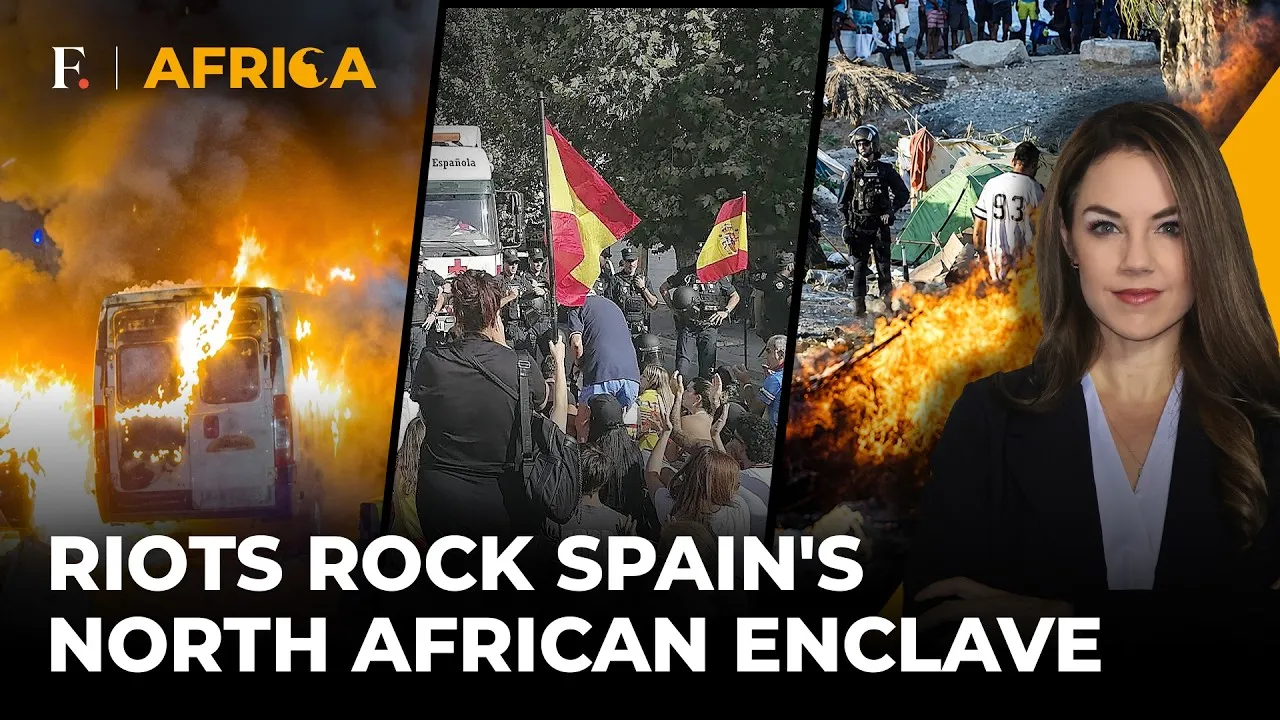
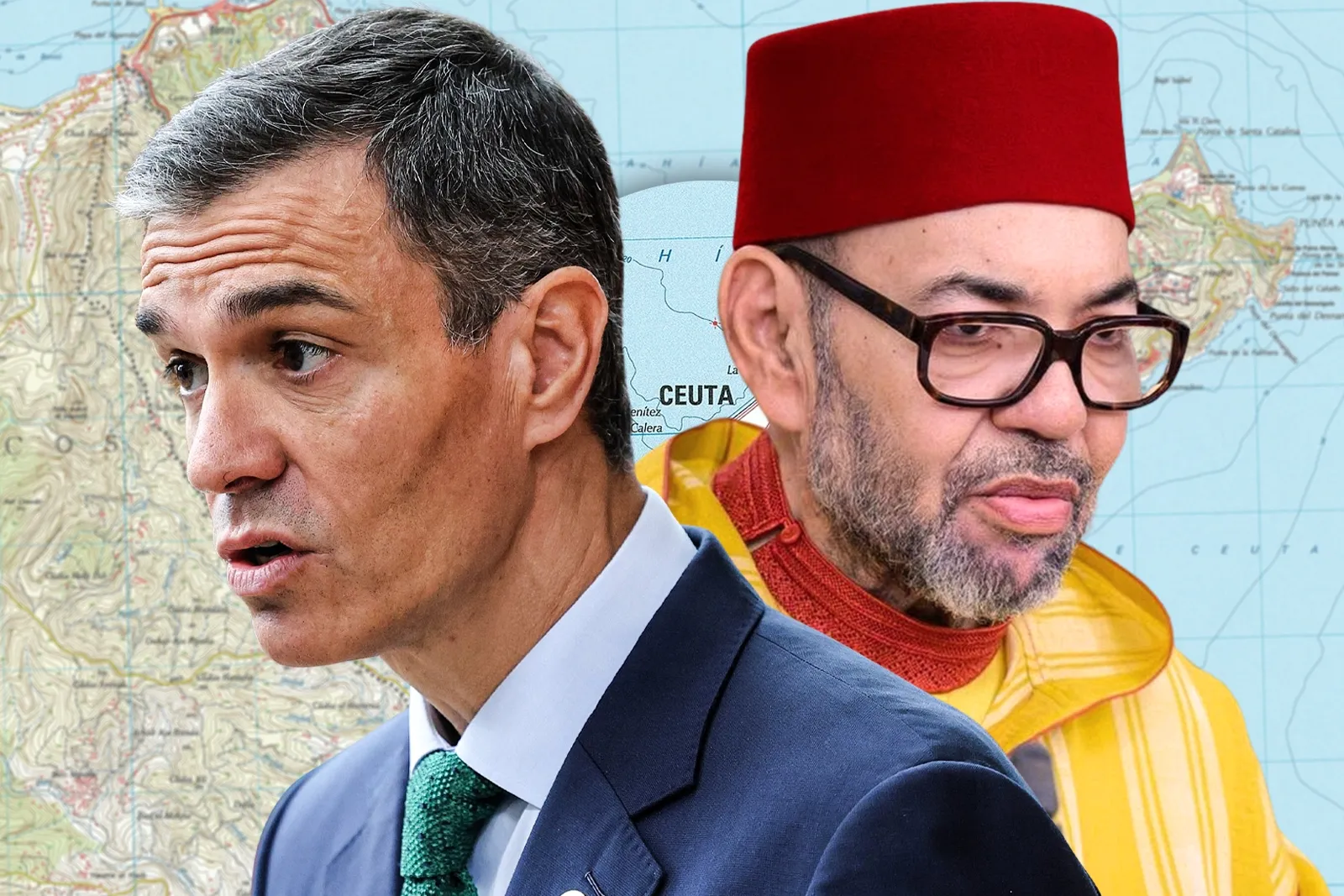
On July 30, a staggering influx of approximately 60,000 migrants crossed from Morocco into the Spanish enclave of Ceuta in just one day, leading to a tragic loss of life with 24 bodies being recovered by the Guardia Civil. The Spanish Prime Minister, Pedro Sánchez, who visited Ceuta with his interior minister, characterized the event as an unprecedented attack on Spain's territorial sovereignty, a phrase that had not been previously employed by any Spanish leader in the context of a migration dispute with Morocco. The official stance from Madrid leaned heavily on legal interpretations, specifically referencing a ruling by Spain’s Supreme Court which prohibited the immediate repatriation of individuals who reached Ceuta by swimming, a loophole that traffickers were quick to exploit. However, the UN refugee agency, UNHCR, deemed this rationale insufficient to account for the dramatic surge in crossings, which escalated from hundreds to tens of thousands within a mere 24 hours. Reports from major news agencies like Reuters, AFP, and Al Jazeera indicated that Moroccan authorities displayed little inclination to halt the migration, and the Moroccan government remained silent when approached for comments.
This crisis echoed a previous event in 2021 when Morocco eased border controls around Ceuta in response to Spain's provision of medical care to Brahim Ghali, the leader of the Polisario Front. During that period, there was a notable surge in crossings, with reinforcements arriving only after the fact. While one instance might be attributed to chance, two occurrences suggest a calculated approach.
The Historical Context of Western Sahara
To grasp the underlying reasons for these developments, one must delve into the history of Western Sahara, a territory that was a Spanish colony until 1975. That year, King Hassan II orchestrated the “Green March,” deploying 350,000 unarmed Moroccans into the territory, which pressured the then-fragile Franco regime into signing the Madrid Accords. This agreement divided Western Sahara between Morocco and Mauritania without consulting the local Sahrawi population, despite Spain's commitment to facilitating a UN referendum. The ensuing conflict saw the Polisario Front engage in a 16-year war, culminating in a ceasefire in 1991 that was supposed to lead to a referendum organized by the UN mission, MINURSO. Unfortunately, this referendum never materialized due to disputes over who qualifies as Sahrawi and thus eligible to vote. Presently, Morocco controls approximately 80% of Western Sahara, including vital resources like phosphate and fishing grounds, all behind a fortified wall that stretches nearly 1,700 miles. What was intended as a temporary ceasefire has solidified into one of the most enduring stalemates in international diplomacy.
The geopolitical landscape shifted dramatically in December 2020 when then-President Donald Trump recognized Moroccan sovereignty over Western Sahara, a move that coincided with Morocco's normalization of relations with Israel under the Abraham Accords. This 45-year-old territorial dispute became a bargaining chip in broader geopolitical negotiations, further complicating the situation. Following this, both the UN Security Council Resolution 2797 and the European Union endorsed Morocco’s autonomy plan, with Spain aligning itself with this narrative in 2022. This shift in position from Madrid has likely contributed to tensions with Morocco, especially given Spain's recent overtures towards Algeria and legislative proposals aimed at offering citizenship to Sahrawis born under Spanish rule.
The complexities of the situation were highlighted earlier this year when a prominent Republican congressman questioned the sovereignty of Ceuta and Melilla, describing them as territories administered by Spain but located within Moroccan land. This line of reasoning was echoed in a subsequent congressional report, raising eyebrows and concerns about the implications for Spanish sovereignty. The developments preceding the migration crisis suggest a strategic maneuvering within the context of longstanding Moroccan claims and evolving diplomatic stances, particularly as the U.S. appears increasingly willing to legitimize Morocco's position.
As the crisis unfolded in Ceuta, the introduction of a bipartisan bill to designate the Polisario Front as a terrorist organization added another layer of complexity, implicating regional dynamics further. However, it is essential to approach these developments with caution, as the evidence does not definitively establish a coordinated effort. Nonetheless, the sequence of events warrants serious consideration, especially in light of historical patterns and the potential for geopolitical shifts to influence longstanding international agreements and norms.
The unresolved nature of the situation raises profound questions about international law and the principles that govern territorial disputes. If a UN-mandated vote can remain unaddressed for decades without repercussions for the obstructing party, it begs the question of what other established norms may be subject to negotiation when geopolitics necessitates a shift in perspective.
As reported by intpolicydigest.org.