
Unraveling the Truth Behind the Ceuta Crisis
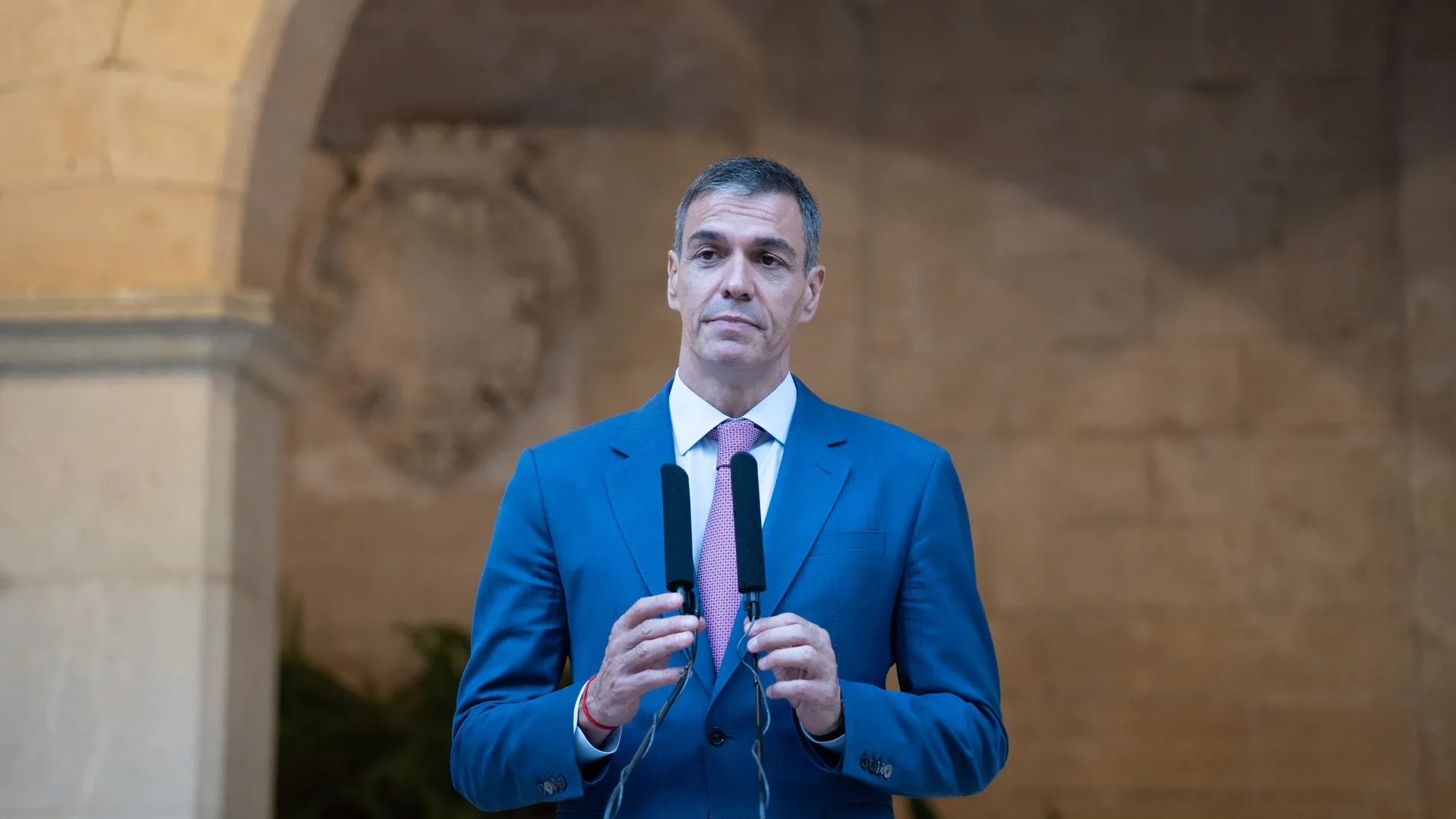
The recent events surrounding the alleged "invasion" of Ceuta by Moroccan nationals have unveiled a tapestry of deception woven by the Spanish government, particularly under the socialist and communist coalition. This situation is marked by a series of falsehoods, as the administration seems more focused on crafting a narrative than addressing the stark realities of the crisis. The current government, led by Sánchez, has garnered a reputation for being one of the most deceitful in Spain's history, a claim that even its staunchest supporters might find difficult to contest. The rampant corruption, the misuse of state machinery to undermine political adversaries, and various scandals paint a dismal picture of Sánchez's presidency. Paradoxically, despite these shortcomings, the government enjoys a certain level of electoral support, which can be perplexing, as a significant portion of the electorate appears to prioritize party allegiance over the government's evident moral and ethical decline. While some individuals maintain their integrity, the public administration is reportedly rife with opportunists driven solely by personal gain.
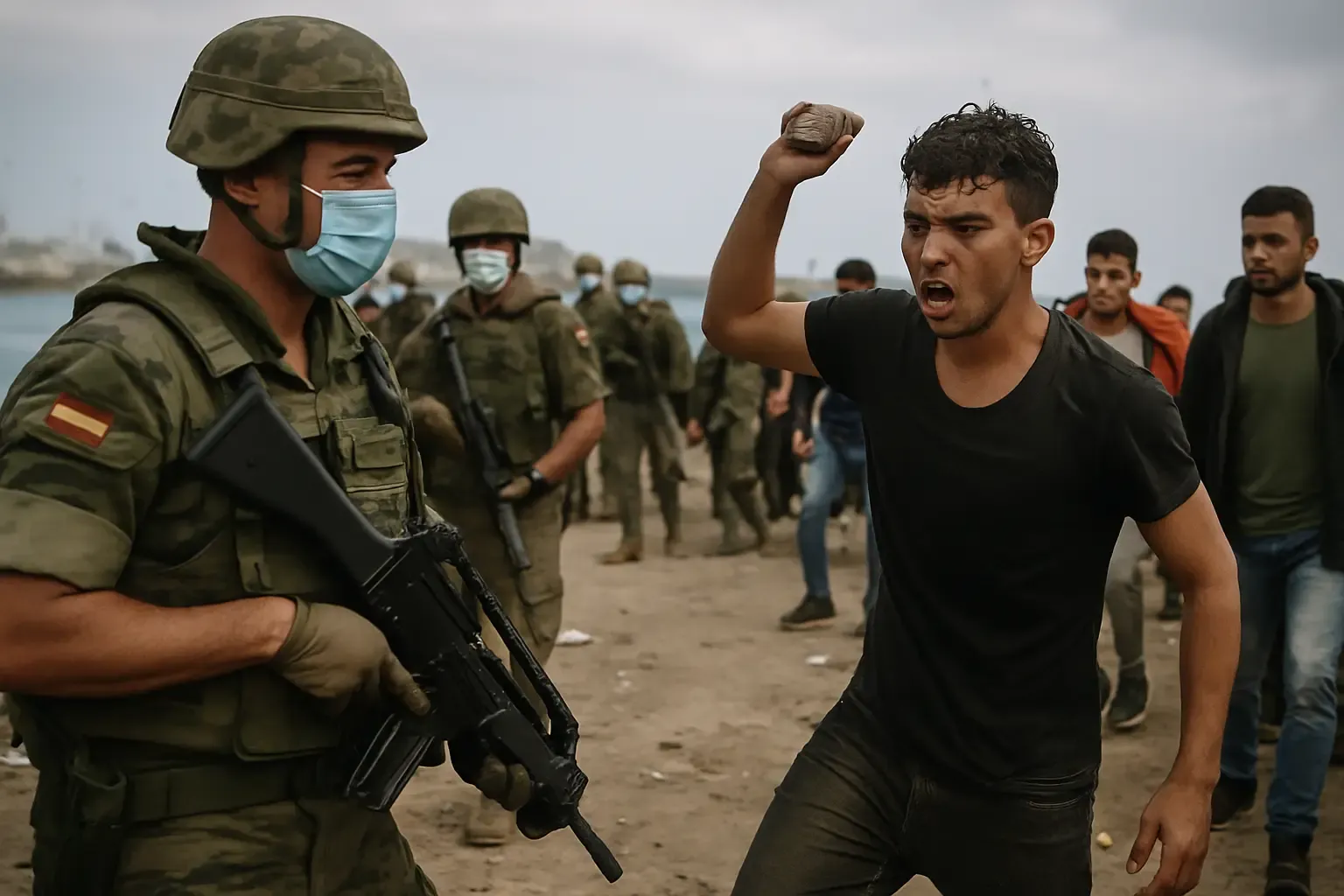
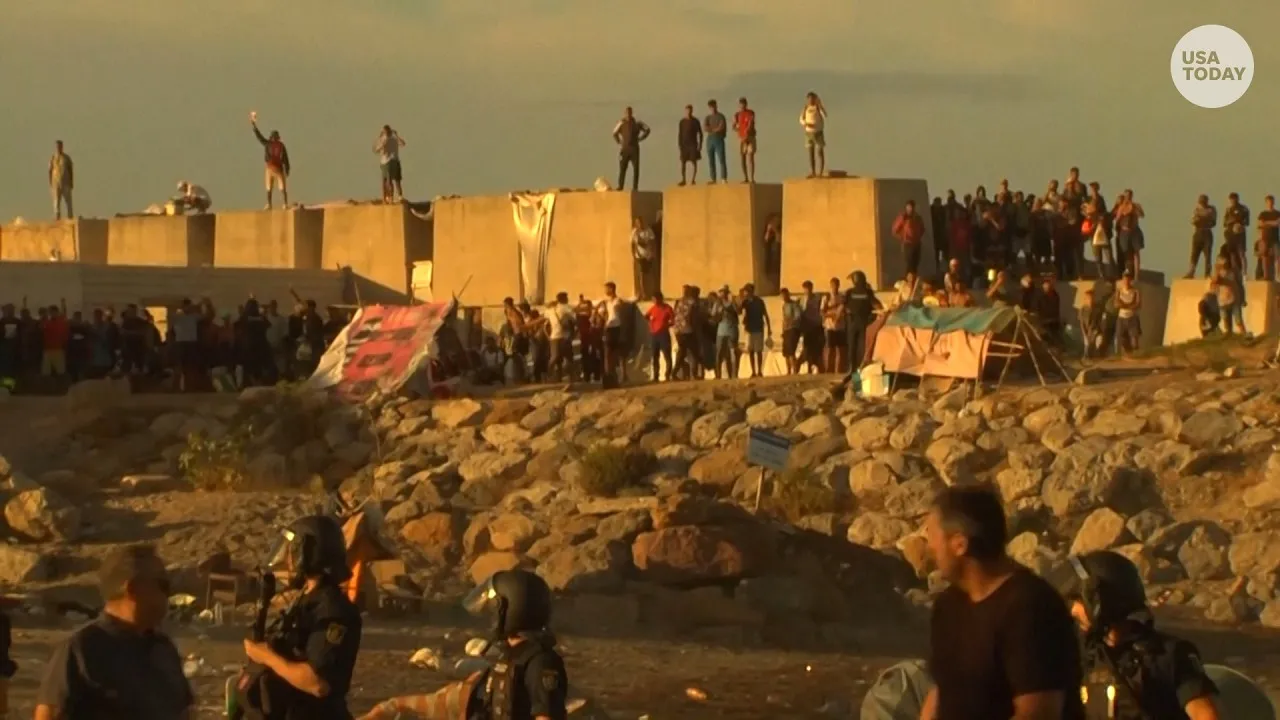
The Spanish and Moroccan governments have failed to provide a credible explanation for the illegal entry of approximately 80,000 individuals into Ceuta, a blatant violation of national sovereignty. This was not a minor incident; rather, it was a large-scale event that should have been easily detectable by the Moroccan authorities. It is hard to fathom how the governor and the Gendarmerie could be so incompetent as to overlook such a significant influx, especially given their capability to tightly control the border when it suits their interests. The Sánchez administration seems to be banking on the passage of time to overshadow this scandal with other news. The government's only response thus far has been to dismiss a civil servant and summon the Italian ambassador to Spain in light of Meloni's decision to suspend Schengen. Following an order from King Mohammed VI, over 60,000 Moroccans returned to their country, but more than 10,000 remain, effectively occupying Ceuta. This situation has led to serious criminal activities, attacks on military units, and the establishment of makeshift camps in public spaces, leaving the residents of Ceuta feeling abandoned by their government. It's worth recalling that several ministers had promised that all illegal immigrants would be returned to their homeland immediately.
The Impact of Incompetence on National Security
Amid bizarre claims from some ministers blaming social media and international reactions, it is crucial for the director of Spain's National Intelligence Center (CNI) to appear before Congress to clarify what the secret service knew or did not know about the situation. This is not a matter to be taken lightly, as ensuring national security is a fundamental duty of the state, and the recent events have highlighted a failure in this regard. The current public order situation is unacceptable, and the notion that we should solely sympathize with impoverished migrants is misguided. They are not fleeing a dictatorship but rather a democracy that has privileged ties with the European Union. The economic plight of these individuals and their families is a problem for the Moroccan government, not Spain.
Spain's relationship with Morocco cannot be contingent upon perpetual blackmail regarding immigration, drug trafficking, and counter-terrorism efforts. Each year, Spain and the European Union allocate hundreds of millions to Morocco, which, in return, has a privileged trade agreement that severely undermines Spanish interests. Spanish farmers, ranchers, fishermen, and business owners are unable to compete fairly. The stability and economic growth of Morocco are indeed vital for Spain and the EU, but these relationships must not be based on coercion or using Spain as a solution for Morocco's high youth unemployment. The government is reluctant to hold Morocco accountable, fearing the implications, yet we have the right to understand the actual events. The current occupation of Ceuta by thousands of Moroccans and sub-Saharan individuals is causing significant public order issues and is detrimental to the local economy. The recovery process from this crisis will be slow and arduous, especially considering that we have an incompetent government acting as Morocco's subordinate.
No matter how much the Sánchez administration's powerful disinformation machinery insists otherwise, the Ceuta crisis will continue to haunt this government until the end of its term. Similarly, the extended presidential holidays demonstrate a lack of understanding on Sánchez's part of the need for sacrifice during challenging times. I find it astonishing that he didn't spend a week in Ceuta, showing empathy towards a population that has endured an unimaginable month. His indifference to criticism is palpable, and he should have dismissed the inept Marlaska, along with those who failed to foresee the impending crisis or, knowing it, chose not to act. It is absurd to attribute the situation to international reactions and social media while ignoring the gravity of the "invasion." In a display of political absurdity, some have even suggested that the thousands of assailants were motivated by awareness of a Supreme Court ruling. It seems they have become avid readers of the Official State Gazette (BOE), a task that even some political figures have admitted they do not engage in.
As reported by larazon.es.