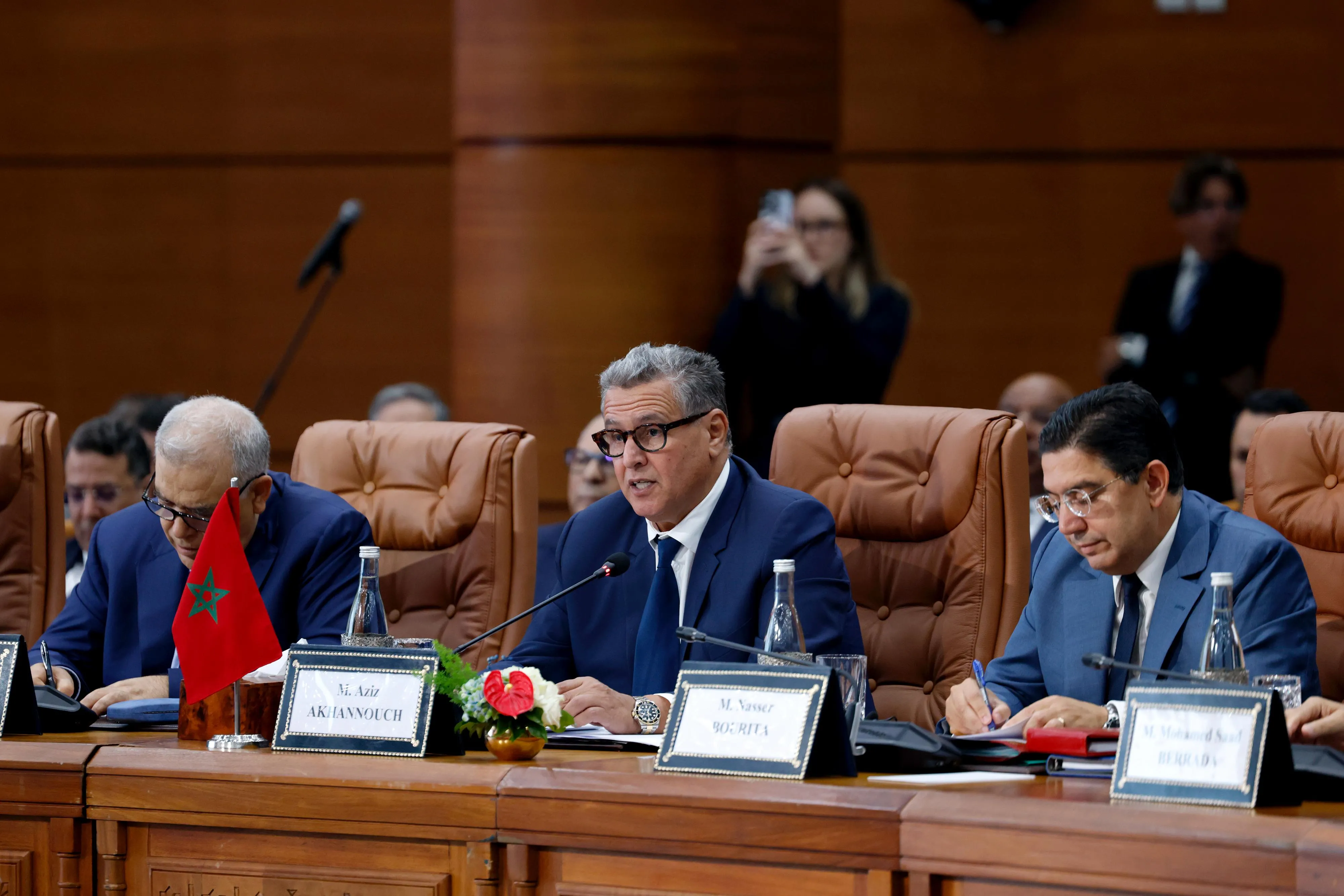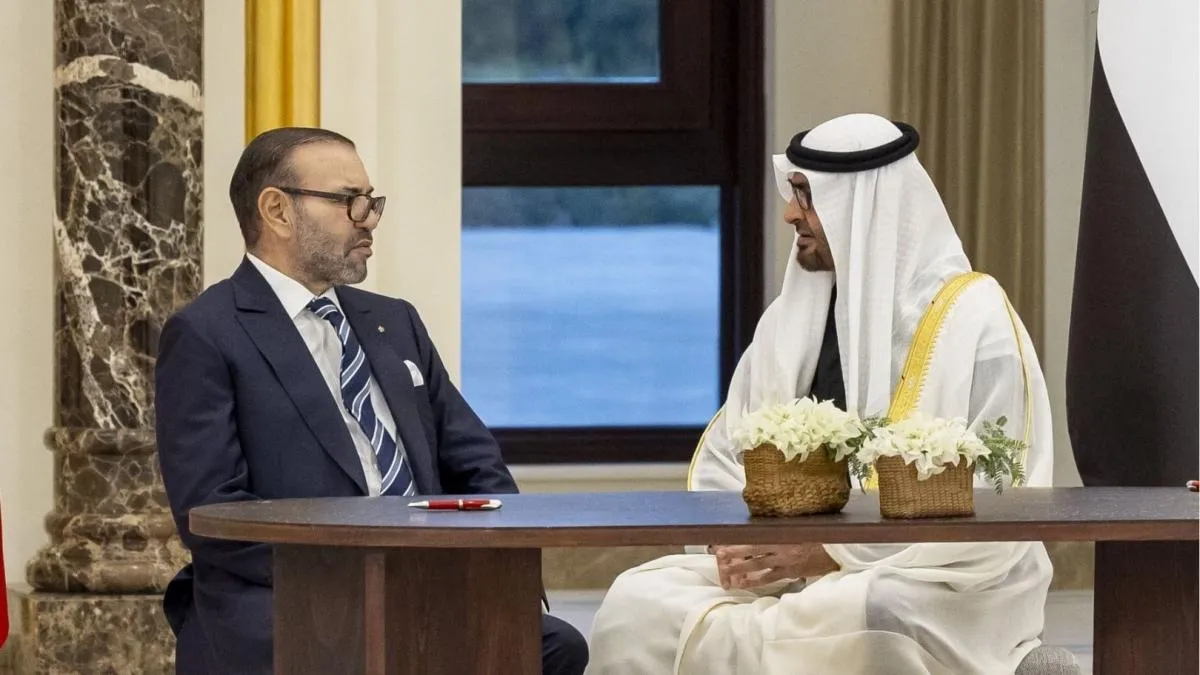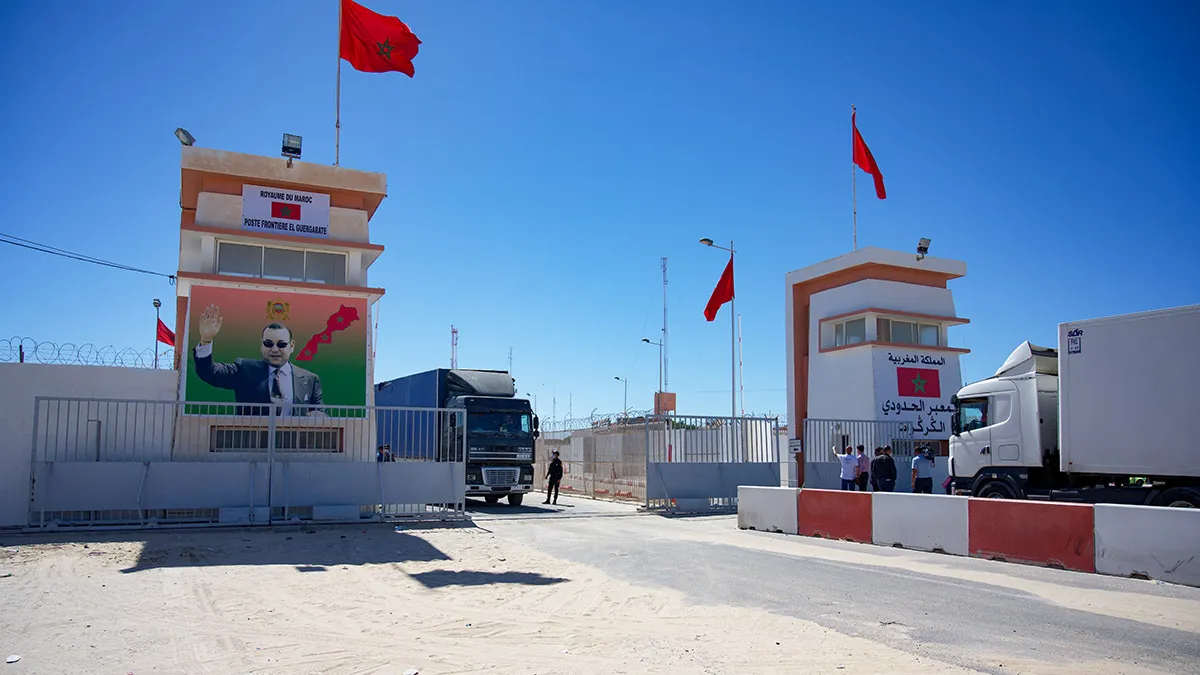
The longstanding issue of the Moroccan Sahara has lingered in a diplomatic gray zone for decades, characterized by management rather than resolution. The recent reform of the United Nations Mission for the Referendum in Western Sahara (MINURSO), alongside enhanced recognition of Moroccan sovereignty by major powers such as the United States, France, and the United Kingdom, signifies more than mere diplomatic adjustments; it represents a paradigm shift towards what can be termed a doctrine of strategic certainty.
Originally established as a transitional mechanism aimed at facilitating a referendum, MINURSO gradually evolved into a tool that perpetuated delay and fostered a form of strategic indeterminacy. This approach, which has its roots in the 1990s, relied on a strategic fiction: the existence of a solution that was never intended to materialize, yet its potential had to be maintained to uphold a fragile status quo. However, the current dynamics, particularly driven by U.S. interests, indicate a decisive departure from this historical approach. The reform of MINURSO, combined with the consolidation of support for Moroccan sovereignty, suggests the emergence of a new strategic framework that prioritizes stability over ambiguity.
This new doctrine is grounded in the recognition that prolonged ambiguity within international relations is a structural vulnerability, particularly in an era marked by great-power competition and hybrid threats. The focus has shifted from merely managing conflicts to establishing stable and functional configurations. In this context, the Moroccan Sahara emerges as a critical area where this strategic logic is taking root, reflecting a broader transformation in U.S. strategic posture as outlined in the National Security Strategy 2025 (NSS 2025) and the National Defense Strategy 2026 (NDS 2026).
Under NSS 2025, the U.S. moves away from the universalist and interventionist paradigms that dominated the post-Cold War era, emphasizing the defense of core national interests amidst a competitive geopolitical landscape. This shift necessitates a more selective allocation of resources and a clearer prioritization of international engagements. Concurrently, NDS 2026 introduces a burden-shifting approach, advocating for reduced direct U.S. involvement in secondary conflicts while empowering regional partners to maintain stability. In this context, the Moroccan Sahara, often viewed through the lens of a frozen conflict, no longer aligns with the evolving doctrine that favors strategic partnerships and regional stability.
The Moroccan Sahara is increasingly being reframed not merely as a territorial dispute but as a pivotal strategic junction, intersecting with several critical dynamics: ongoing instability in the Sahel, competition for influence throughout Africa, and the securing of vital Atlantic corridors. This conceptualization introduces the notion of a geopolitical lock—an area whose stabilization can significantly influence the broader regional balance. From this perspective, the Moroccan Sahara serves as a stabilizing anchor for North Africa, capable of counteracting the spread of threats from the Sahel and acting as a logistical and energy hub oriented towards the Atlantic.
In this evolving geopolitical landscape, maintaining legal and political ambiguity within this vital region is increasingly perceived as a source of strategic vulnerability from a U.S. standpoint. The reform of MINURSO indicates a crucial transition from a mechanism focused on monitoring and managing the status quo towards an instrument aimed at strengthening stability in a region deemed essential for broader security objectives.
One of the pivotal themes within NSS 2025 is the reduction of gray zones—territories where conflict and stability are not clearly defined, and hybrid strategies proliferate. In the context of the Sahel-Sahara, these areas present significant risks by facilitating terrorist networks, transnational trafficking, and indirect state influence. Consequently, the Moroccan Sahara cannot be treated as a neutral or suspended space; it necessitates a strategic approach aimed at stabilization, integration, and coherence within a functional regional framework.
This perspective aligns with the idea of stabilization through sovereign integration, favoring the establishment of a functional state structure capable of ensuring security, development, and strategic projection, as exemplified by Morocco’s autonomy plan. As viewed from the current U.S. perspective, this plan gains renewed importance, serving not merely as a political option but as a form of strategic engineering that addresses multiple objectives: preserving Morocco's territorial integrity, offering a credible governance framework, and reinforcing regional stability. Such an approach minimizes the demand for direct U.S. engagement while enhancing stability outcomes.
In contrast, the referendum scenario faces increasing challenges and limitations, presenting operational difficulties, potential risks of instability, and misalignments with contemporary U.S. strategic priorities. The gradual decline of this option reflects a broader doctrinal shift in response to changing geopolitical conditions. The NDS 2026 implicitly creates a hierarchy among international partners, favoring those with the capacity to assume greater security responsibilities, highlighting a transition towards a more selective distribution of roles.
In this context, Morocco emerges as a key player, characterized by institutional continuity, recognized security capabilities, and an expanding strategic reach towards Africa and the Atlantic. These factors support the notion of Morocco as a stabilization pivot—not merely an ally, but an influential actor capable of shaping its regional environment and fostering stability beyond its borders. U.S. support for Moroccan sovereignty over the Sahara, coupled with the initiative for MINURSO reform, reflects a model of delegated stabilization where the local partner assumes a central role.
Moreover, Morocco's strategic positioning facilitates the transformation of the southern Mediterranean into a space of shared security and co-development, especially in collaboration with European partners like Spain. As instability deepens in the Sahel, Morocco's role as a reliable anchor grows, interlinking economic cooperation, infrastructure connectivity, and security coordination.
Furthermore, the U.S. strategic framework incorporates the Iranian dimension, identifying Iran as a key destabilizing actor utilizing indirect networks and asymmetric tactics. Recent pro-Iranian movements in Nigeria highlight the influence of specific Shiite factions in the region. Reports also indicate the presence of networks associated with the Quds Force across West Africa and the Sahel, underscoring the increasing reach of Middle Eastern dynamics into fragile areas like the Sahel, where weak state structures and porous borders create opportunities for external influence.
In this context, maintaining political ambiguity in a region situated between the Maghreb and the Sahel poses a potential vulnerability. Stabilizing the Moroccan Sahara is part of a broader strategy to secure peripheral areas and mitigate permissive environments, understood as a form of peripheral containment aimed at curtailing the spread of instability into strategically important regions.
The reform of MINURSO signifies more than just a change in mandate; it points towards a broader process of strategic materialization, where political recognition is coupled with concrete integration into economic, security, and logistical frameworks. This encompasses investments, enhanced cooperation, and integration into energy and trade corridors, positioning the Moroccan Sahara within the context of global dynamics rather than confining it to a purely diplomatic framework.
This evolution aligns with the U.S. perception of Africa as a landscape of strategic opportunity, particularly concerning resources, energy, and connectivity. It carries an implicit message that approaches rooted in delay and ambiguity are increasingly misaligned with contemporary dynamics. The Moroccan Sahara is transitioning from an open-ended negotiation framework to a space defined by strategic decisions and on-the-ground consolidation.
The ongoing trajectory signals a broader transformation where the Moroccan Sahara is gradually moving from an internationally managed issue towards a region structured by power dynamics. The interplay of political recognition, economic integration, and security cooperation generates cumulative effects that diminish uncertainty. This process is propelled by tangible developments rather than mere proclamations.
Consequently, strategies predicated on prolonged ambiguity appear increasingly out of sync with the evolving realities. The overarching U.S. approach favors stabilized configurations supported by capable regional partners, indicating that the Moroccan Sahara is entering a phase wherein sovereignty becomes an increasingly established strategic reality. This shift signifies a transition from managed ambiguity to structured consolidation, marking the Moroccan Sahara's evolution from uncertainty towards a definitive strategic framework.
As reported by atalayar.com.