
The Discovery of the Shipwreck
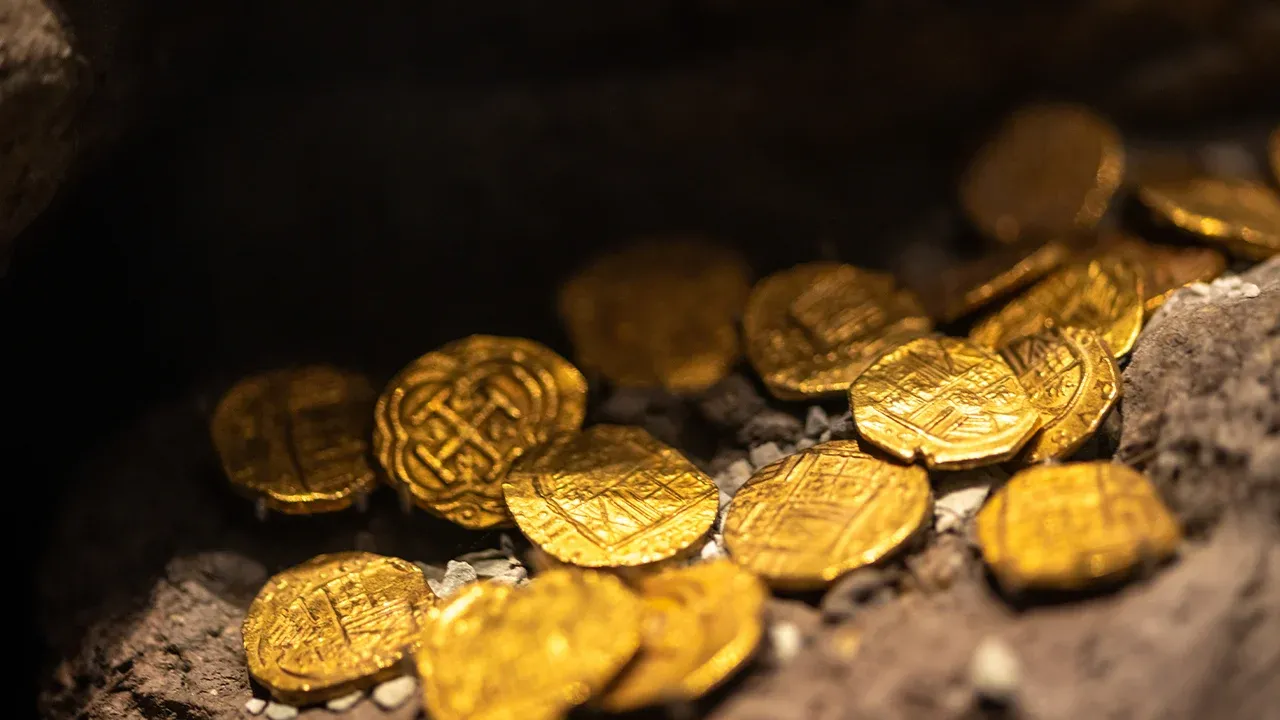
In 1995, divers exploring the waters off Salcombe Bay on England’s southern coast made a remarkable discovery: a 17th-century shipwreck laden with over 400 gold coins. Despite the treasure unearthed, the identity of the vessel and the story behind its sinking remained a mystery for nearly three decades. This enigma persisted until June 18, 2026, when a collaborative effort involving the British Museum, Bournemouth University, and the South West Maritime Archaeology Group culminated in the identification of the wreck as the Dutch trader known as the Dom van Keulen. This ship, which had embarked from Morocco in the autumn of 1633, met a tragic fate as it sank during a violent storm, leaving behind a trail of unanswered questions about its journey and cargo.
Unraveling the Cargo and Historical Significance
The Dom van Keulen's voyage is a fascinating glimpse into early maritime trade routes and logistics. Historical records indicate that this ill-fated ship was carrying a diverse cargo, including 150 bags of gum arabic, 64 bags of saltpetre, 320 goat skins, and an impressive 9,000 Barbary ducats, which are gold coins from Morocco. The ship encountered severe weather conditions, which ultimately resulted in its sinking near the Devon coastline. Fortunately, the crew managed to survive the ordeal, and it is believed that most of the original cargo was salvaged shortly after the wreck, leaving behind the scattered coins as the primary evidence of the ship's existence.
The breakthrough in understanding the shipwreck's history came from independent historian Ian Friel, who discovered critical documentation in the UK’s National Archives. These documents, originating from the High Court of Admiralty, included a claim made in 1633 by merchants in Amsterdam, linking the wreck to the Dom van Keulen and providing a concrete historical context. The most recent coin recovered from the site was minted in 1632, corroborating the timeline of events surrounding the ship's sinking and emphasizing the importance of integrating literary and physical evidence in maritime archaeology.
Today, the Dom van Keulen wreck is regarded as a vital archaeological site, protected under the 1973 Protection of Wrecks Act. Managed by Historic England, the site is closely monitored, and access is restricted to licensed divers. The 98-foot-long wreck still contains remnants of cannons, anchors, and various cargo items, serving as a source of historical insight for researchers and a reminder of the intricate web of maritime trade in the 17th century. To further disseminate their findings, the research team published a comprehensive account of their discoveries in 2026, ensuring that future generations will have access to this significant maritime story without the long wait experienced by previous historians.
As reported by news.bitcoin.com.