
The Rise of Brand-Infused Nightlife in Ibiza
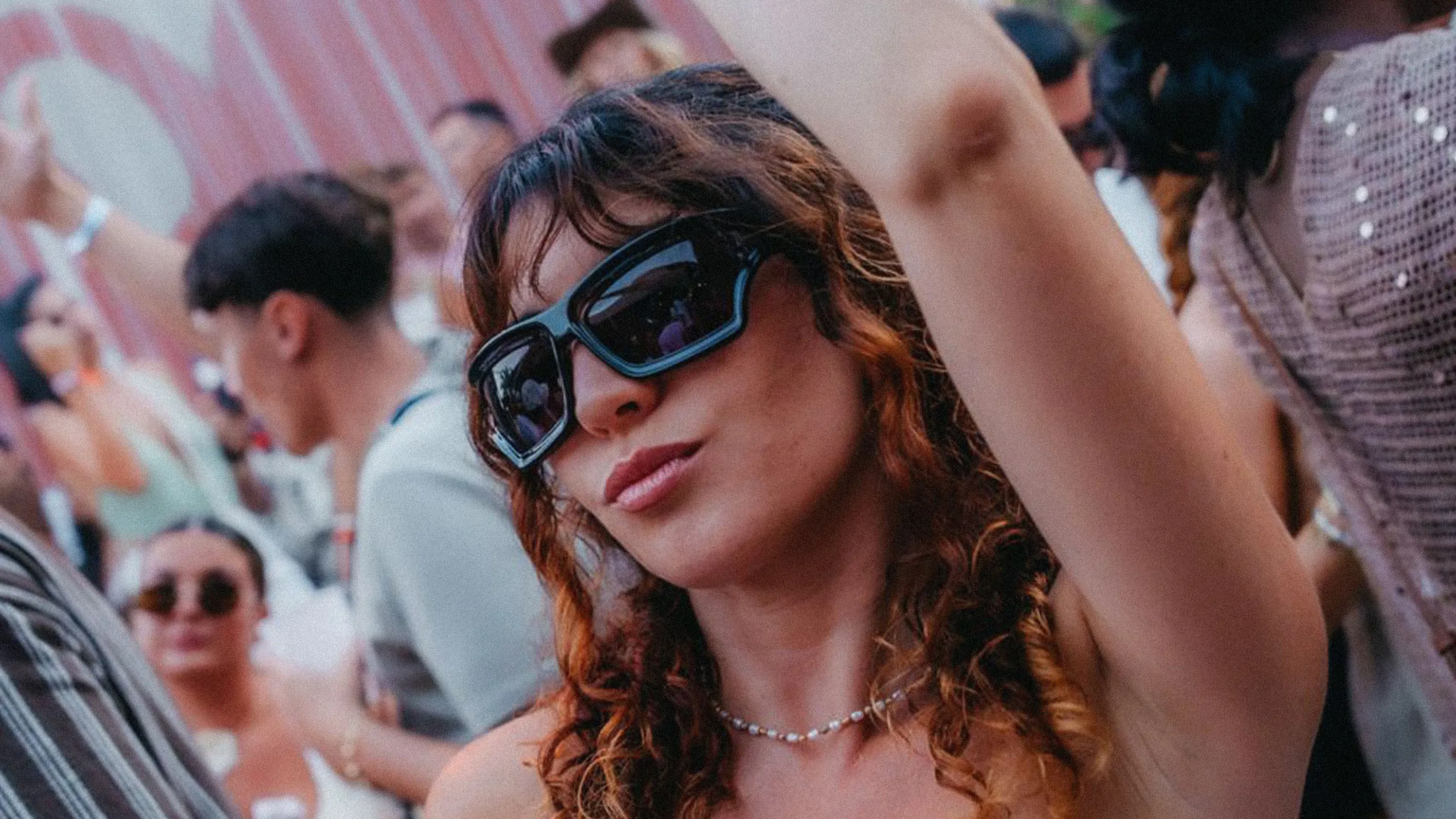
On a warm July evening, the historic cobblestone streets of Dalt Villa in Ibiza transformed into a vibrant scene reminiscent of Berlin's pulsating nightlife, rather than its typical Balearic charm. A wave of stylish attendees dressed in all-black ensembles, such as tank tops, slip dresses, and leather pants, flooded the area, cocktail glasses in hand, as DJs set the mood with their electrifying beats. A handful of flyposters hinted at the nature of this gathering, particularly one featuring the bold logo of YSL Beauty, marking the occasion as part of the brand's innovative "Block Party" series. This initiative has seen YSL take over cafes and public squares in urban hubs including Marseille, Jakarta, and Madrid, creating immersive experiences that blend fashion, music, and communal celebration.
This event aligns with a broader trend of branded parties and social gatherings on the island. Casablanca, a fashion label, has been making waves this summer with events across La Isla Blanca, collaborating with Solid Grooves for a series of parties at the airport-adjacent venue DC-10, while also hosting more relaxed pop-ups at Six Senses’ beach. Casablanca's founder, Charaf Tajer, stated, "For me, Ibiza will always be more than a destination. It’s a place where fashion, music, design and culture naturally come together, making it the perfect setting for the Casablanca world." Similarly, Armani Exchange has been hosting a series of Sunday parties at Ibiza’s Amnesia club, emphasizing the intertwining of fashion with club culture, a sentiment echoed by Beatriz Murillo, Amnesia’s marketing manager.
Gen Z's Evolving Nightlife Preferences
The trend of fashion brands engaging with Ibiza's nightlife scene is not entirely new; designers have long capitalized on the island's wellness and culinary allure through branded beach clubs and influencer events. However, the challenge lies in authentically connecting with the rave culture, which often raises concerns among brand safety officers. Yet, if brands can successfully associate with popular DJs and vibrant club nights, they not only gain credibility but also a chance to create memorable experiences for the youth. Youth culture journalist Bee Beardsworth notes, “Experiential activations are fast becoming the best way to access consumers, and few things are more impactful than a truly transcendent night on the dance floor.”
Today's Gen Z party-goers are increasingly seeking these transcendent experiences as a means of escape from the ongoing societal pressures, often referred to as a permacrisis. A significant number of them have adopted partying habits akin to those of their older siblings, with almost 70% of 23-year-olds admitting to binge drinking in the past year. Despite this, there is a growing awareness among this demographic about the pitfalls of perfectionist wellness, prompting them to seek more enjoyment in their leisure activities. Annie Corser, a senior trends editor at Stylus, explains, "Gen Z are guided by wellbeing, but they’re increasingly aware of the traps of perfectionist wellness, and they’re looking to inject more pleasure into their leisure time." This duality has led to the emergence of sober-curious events, such as YSL's alcohol-free Block Party in Milan, where attendees could enjoy vibrant beats without the aftereffects of alcohol. Casablanca's collaboration with Six Senses similarly highlighted a focus on refreshing detox smoothies rather than alcoholic beverages, showcasing the balance between celebration and well-being.
As nightlife continues to evolve, the trend of daytime partying is also gaining traction, with a notable shift toward earlier festivities. A study revealed that only 16% of young people frequently stayed out past 10 PM, partly due to the shrinking number of clubs, particularly in the UK, where a third have closed since 2020. This shift has led to the rise of unique, immersive parties that eschew technology for a more intimate experience, such as the phone-free Lost night at the former Odeon Covent Garden, which has gained a cult following for its nostalgic and liberating atmosphere. Similarly, venues like Peckham's Palais are embracing a no-phones policy, fostering a clubbing experience that prioritizes presence over digital distractions. This desire for intentional and experiential clubbing presents new opportunities for brands to engage with the scene through innovative activations such as listening parties, wellness sessions, or DJ workshops, creating elevated experiences that resonate with the audience.
As club culture continues to thrive, it is essential for brands to understand the fluid and ever-evolving fashion preferences of this new generation of clubbers. Club-goers often serve as trendsetters, experimenting with styles that reflect a blend of nostalgia and rebellion against fast fashion. From DIY looks inspired by 2010s Tumblr aesthetics to collaborations with influential DJs who drive the style narrative, the connection between music and fashion is more intertwined than ever. New social media-savvy DJs, such as John Summit and Josh Baker, are not only shaping the nightlife scene but also influencing what their audiences wear, further bridging the gap between music and fashion.
In conclusion, while brands are eager to make their mark within this vibrant nightlife culture, they must tread carefully. The key lies in authenticity and genuine engagement rather than superficial brand activations. Today’s youth are discerning consumers who resonate more with grassroots movements and authentic experiences. As Beardsworth aptly states, “Gen Z and Gen Alpha respond more to genuine authenticity and grassroots activations than any other demographic, as they crave it so deeply, and they are incredibly savvy.” The future of club culture will depend on brands that prioritize meaningful connections and collaborations with the very individuals shaping the nightlife landscape.
As reported by vogue.com.