
Fouad Ali El Himma's Forewarning to Spain
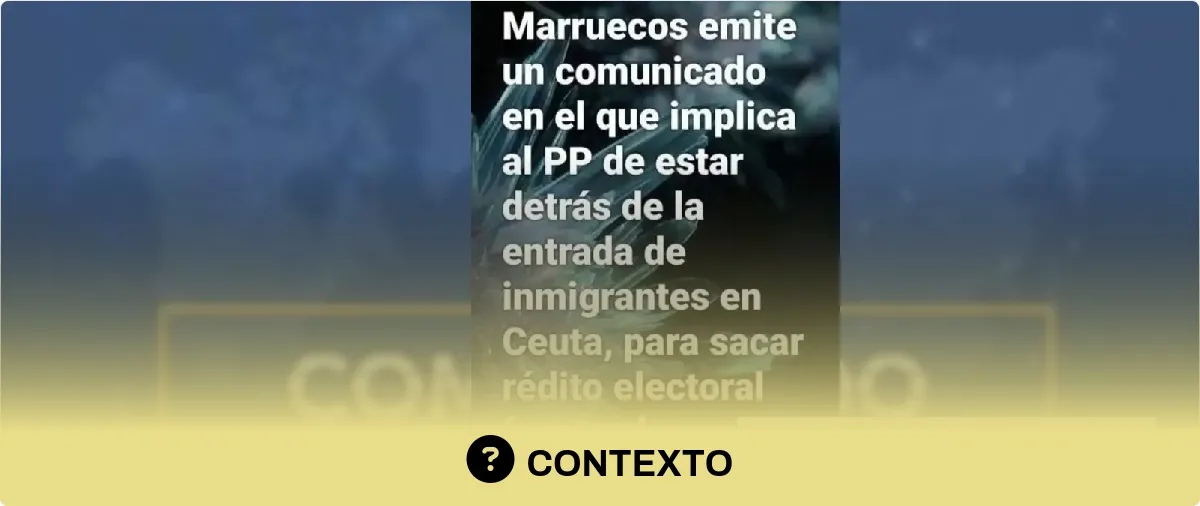
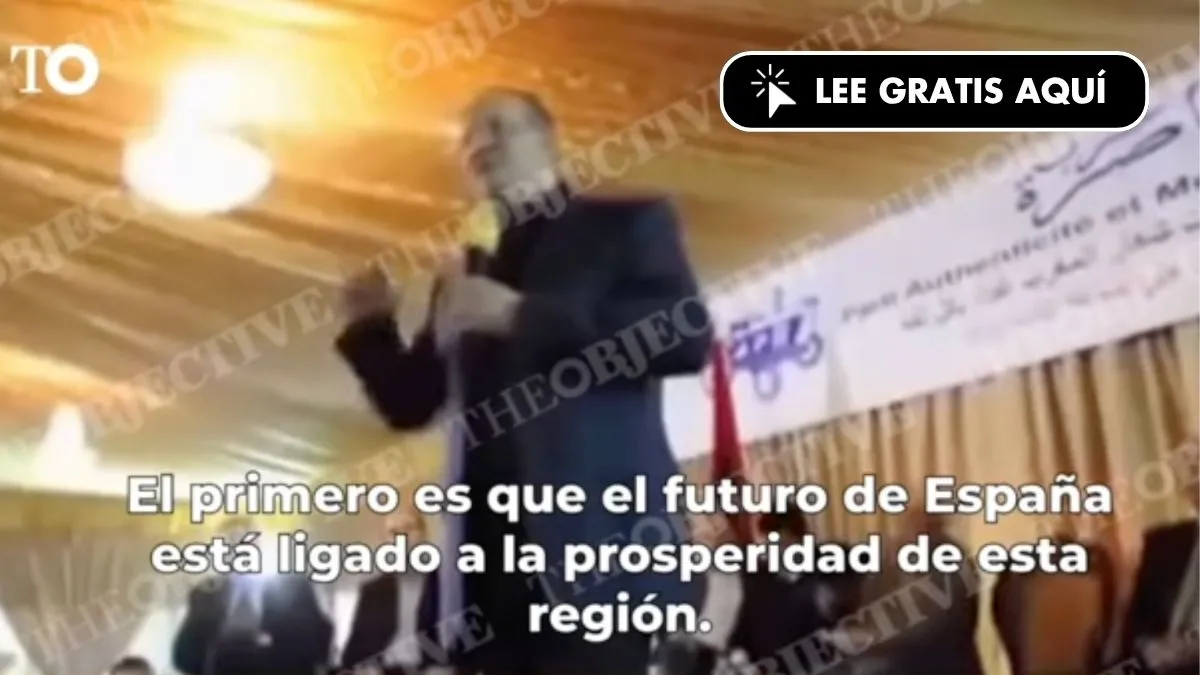
Fouad Ali El Himma, the influential advisor to King Mohamed VI of Morocco, has been identified as the mastermind behind the recent surge of migration towards Ceuta. This noteworthy figure, often referred to as the 'viceroy' of Morocco, issued a disturbing warning to Spain as far back as 17 years ago. He cautioned that Spain would face significant challenges due to its attempts to limit Moroccan religious influence, predicting that these issues would only worsen in the future. This ominous proclamation was made on April 26, 2009, during a large event organized by the Authenticity and Modernity Party (PAM) in Nador, just across the border from Melilla. The gathering attracted over 3,000 attendees, where El Himma urged Spain to abandon what he described as a '1950s mindset' and to embrace a new framework for its relations with Morocco.
The speech received considerable media attention the following day in the Moroccan press, with headlines such as 'El Himma Opens Fire Against Spain from Nador.' The article underscored not only his economic criticisms of Madrid but also his allegations of interference in the religious affairs of Moroccans. This rhetoric sets the stage for understanding the current migration crisis as part of a broader internal power struggle within Morocco, particularly in light of the upcoming legislative elections.
The Connection Between Religious Authority and Spanish Stability
El Himma's address from 2009 serves as a historical reference point for his approach towards Spain, linking the stability of the Spanish state with the acceptance of Moroccan political and religious interests. He explicitly stated, “I would like to address a few words to Spain,” before connecting Spain's future to the economic development of the Rif region, Morocco's northernmost area. He asserted, “Spain must understand that its future also depends on the prosperity of this region,” emphasizing that the north should not rely solely on aid from Melilla or activities linked to the open customs of Ceuta.
He argued that the Rif possessed sufficient resources to create its own economic project, which would ultimately benefit Spain as well. By framing the development of northern Morocco not only as a national priority but as a necessity for the stability and future of its European neighbor, El Himma was issuing a subtle threat to Spain's security.
Moreover, El Himma's warning took a more delicate turn as he criticized Spain for undermining King Mohamed VI's religious authority over Muslims in Ceuta and Melilla. He noted that as long as the religious practices were linked to the authority of the 'Prince of the Believers,' Spain did not face issues. However, he attributed Spain's current challenges to its decision to restrict this religious influence, stating, “When Spain prevented this religious authority from reaching you and tried to eliminate Moroccan religious symbols, the problems began that you face today and which will worsen in the future.” This statement implied that Spain's stability hinged on allowing the Alaouite monarchy to maintain a religious presence over Muslim communities under Spanish sovereignty.
El Himma’s choice of venue for his speech was also significant; delivering it in Nador—a city historically connected to Melilla—underscored the intertwined economic and social ties between the two regions. His dual message was clear: Madrid must contribute to the economic development of the Rif while simultaneously accepting King Mohamed VI's religious influence. Thus, economic cooperation and compliance with the interests of the Moroccan monarchy were presented as prerequisites for avoiding future troubles.
Fast forward to today, the echoes of El Himma's 2009 speech resonate with renewed urgency. The recent surge of migration to Ceuta has reignited discussions about Spain's approach towards Morocco. The message delivered from Nador in 2009 remains clear: when Spain deviates from the interests defined by Rabat, it risks encountering significant problems. Seventeen years later, this warning has resurfaced, emphasizing the importance of understanding the historical context and the complexities of Spanish-Moroccan relations.
As reported by theobjective.com.