
The Humanitarian Crisis in Ceuta
On July 30 and 31, around 70,000 individuals attempted to cross from Morocco into the Spanish enclave of Ceuta, with approximately 140 tragically perishing during the perilous journey. Among those who managed to reach the enclave, the majority were swiftly expelled by the Spanish military and police, forces deployed by the coalition government in Madrid, consisting of the Social Democratic PSOE and the pseudo-leftist Sumar. Currently, about 13,000 individuals, including 2,500 minors, remain in Ceuta, enduring dire conditions without sufficient shelter, food, or healthcare, and facing assaults from fascistic mobs. This situation highlights the urgent humanitarian crisis that has developed, drawing attention to the plight of migrants seeking refuge and safety.
Political Exploitation of the Crisis
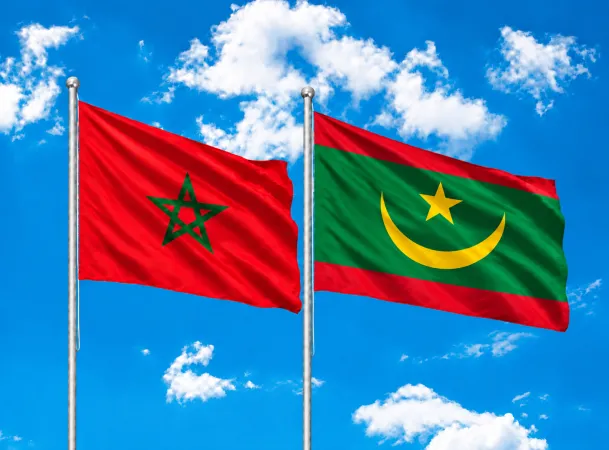
The Spanish right and far-right factions, led by the conservative People's Party (PP) and Vox, have seized upon the crisis in Ceuta to amplify their racist rhetoric against immigrants, advocating for an increase in military and police presence, particularly along the border. Meanwhile, pseudo-left parties like Podemos, formerly a coalition partner of the PSOE, responded by inciting Spanish chauvinism and blaming Morocco for the crisis. Podemos accused the Moroccan government of deliberately instigating the crisis as an attack on Spain, labeling Morocco as a 'dictatorship' and alleging a collusion with Washington and Israel, while calling for a more aggressive stance against Rabat.
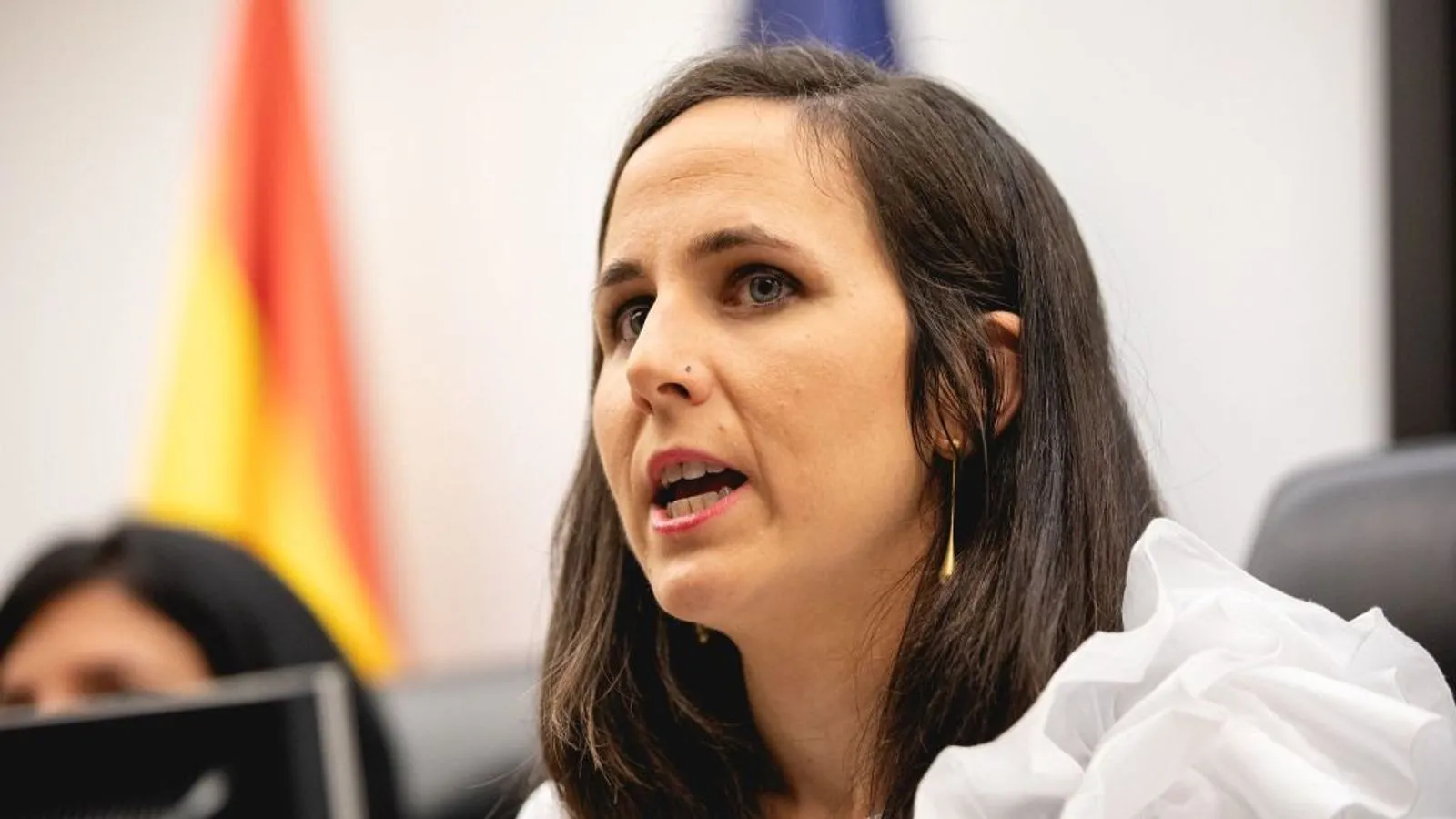
Pablo Fernández, the organizational secretary of Podemos, labeled the influx of immigrants as a 'hostile act of hybrid warfare' conducted by Morocco against Spain, urging a tougher response. He insisted that all relations with the Moroccan dictatorship must cease until it stops using people as political leverage. These statements lay bare the pro-imperialist nature of Podemos. While the party initially presented itself as a force for 'radical democracy' to Spanish workers and youth in 2014, it has revealed itself to be a petty-bourgeois pseudo-left party fully integrated into the Spanish capitalist state. Despite condemning Washington's imperialism, it calls for a more resolute approach from Spanish imperialism towards Morocco.
Amidst these tensions, Podemos has been criticized for its previous inaction while in government, especially during the deadly crackdown on refugees at a European border in June 2022, which saw over a hundred lives lost. The party's hypocrisy is evident in its current denunciations of Morocco, as it was part of the government that was complicit in such tragedies. The recent rhetoric from Podemos about defending 'Spanish sovereignty' over Ceuta and Melilla ignores the colonial history and oppressive legacy of Spanish imperialism in North Africa, which continues to influence current geopolitical dynamics. The legacy of Spain’s colonial past, particularly its brutal protectorate over Morocco established in 1912, serves as a stark reminder of the violent history that informs contemporary immigration issues.
As Podemos and other political factions in Spain engage in this complex narrative surrounding immigration, it is essential to recognize that the real solutions to the crises faced by migrants cannot be found within the capitalist national state system. The systemic poverty driving thousands to flee Africa and the austerity measures plunging workers in Spain into poverty are intertwined aspects of the global capitalist crisis. Only through the international unification of the working class, fighting for political power and a socialist reorganization of society, can we hope to end imperialism, social crises, and war.
As reported by wsws.org.