
Calm Returns to the Ceuta-Morocco Border Amid Ongoing Migrant Concerns
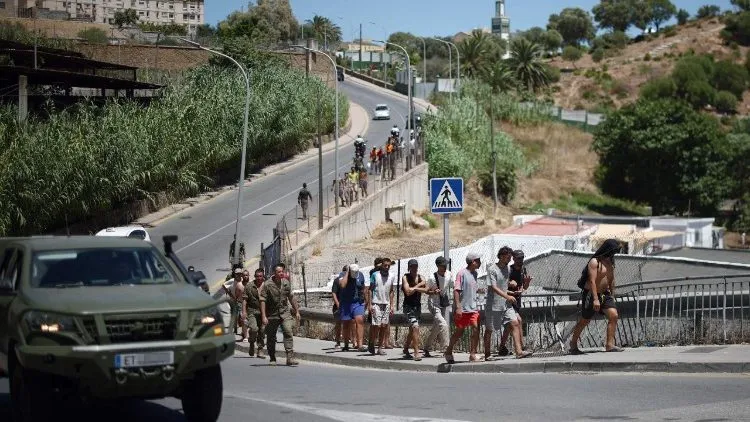
In the Spanish enclave of Ceuta, a semblance of calm has returned following a massive influx of approximately 60,000 migrants from Morocco. Spanish authorities assert that nearly all these individuals seeking refuge have returned to Morocco, yet many families remain anxious, still awaiting news of their loved ones, fearing they may have perished during the perilous journey. On the Moroccan side of the border, the local Church is mobilizing resources to assist those affected, as explained by Monsignor Emilio Rocha Grande, the Archbishop of Tangier.
In the days following the mass arrival of migrants, the border with Ceuta has gradually stabilized. Reports indicate that the majority of those who crossed did so by swimming around the Bab Sebta checkpoint. However, the numbers reported by Spanish and Moroccan authorities diverge significantly regarding both the migrants involved and the casualties sustained, with Spain reporting at least 67 deaths while Morocco's Ministry of the Interior confirms 11 identified fatalities.
Church Efforts Amidst a Humanitarian Crisis
In an interview with Vatican media, Archbishop Rocha emphasized the dire conditions facing returnees, noting that they arrive back in Morocco exhausted and hungry. The local Catholic Church, which has long supported sub-Saharan migrants, now finds itself grappling with what it describes as a "migrant crisis". They are striving to provide basic necessities like food and water, albeit within the limits of their resources. Many families are still gathered in Fnideq, the border town with Ceuta, anxiously waiting for updates on relatives who have recently returned, with some having no information at all about their loved ones' fates.
The Church's efforts focus not only on immediate assistance but also on broader support for vulnerable populations in Morocco. Over the years, the Church has established a diocesan delegation for immigration, which operates across various sectors, including health care, social services, and legal aid. Furthermore, through partnerships with local authorities, they are implementing projects aimed at aiding those in precarious situations, such as street children in Tangier.
As the crisis unfolds, Archbishop Rocha reflects on the deep-seated frustrations among Moroccan youth, who, despite living in a nation experiencing economic growth, often feel excluded from its benefits. This disconnect has led many to perceive Europe as a land of opportunity, fueled by media portrayals that depict it as a paradise. The Church advocates for a recognition of the potential within Morocco, urging young people not to be lured by illusion but to explore the opportunities available to them at home.
As reported by vaticannews.va.