
Understanding the Geopolitical Landscape of Ceuta and Melilla
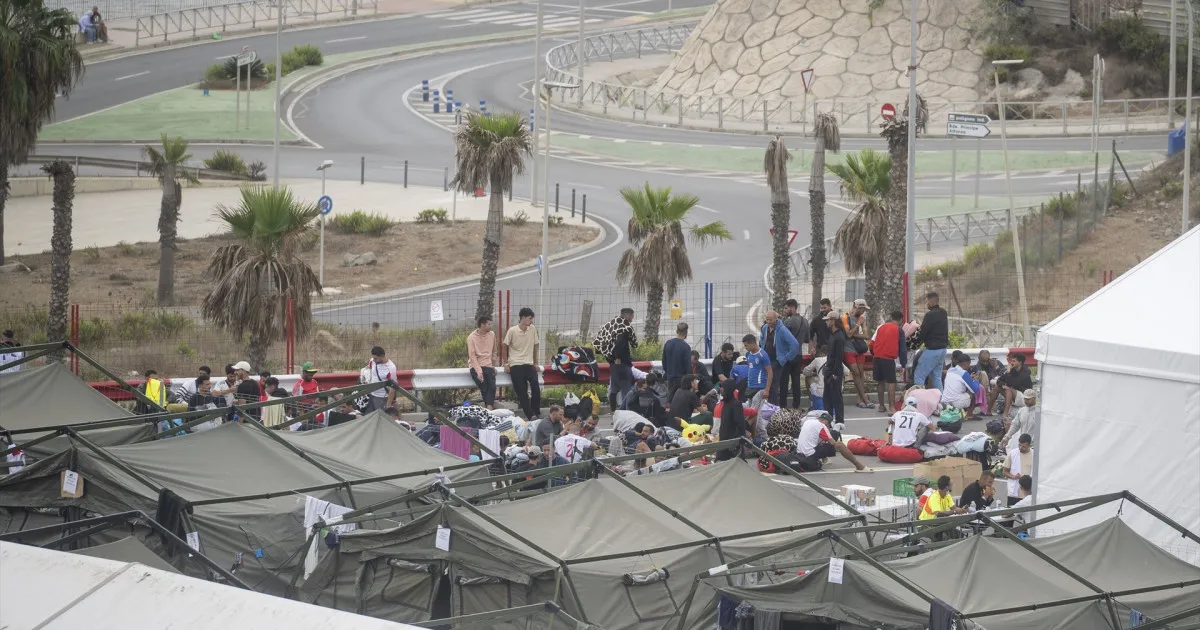
The situation surrounding the Spanish enclaves of Ceuta and Melilla has escalated into a significant point of contention in recent years, particularly with Morocco's strategic maneuvers reminiscent of historical events. The Moroccan government recognizes that any aggressive action against a mass of people would incite a monumental international scandal, which serves as a deterrent against overt military engagement. Instead, Morocco has demonstrated its ability to control the flow of migrants, as evidenced by a recent thwarted attempt to breach the borders of Ceuta. This selective action reveals that the Moroccan authorities can manage these situations at their discretion, highlighting the precarious nature of Spain's territorial integrity in these regions.
Reflecting on history, the tactics employed today echo the Marcha Verde of 1975, which significantly benefited then King Hassan II. During that time, as Francisco Franco's regime weakened, Juan Carlos I sought to solidify his monarchy amidst the political landscape of transition. The Sahara was sacrificed as a pawn in a larger geopolitical game, illustrating how historical pressures can shape contemporary realities. In stark contrast to earlier decades, the current age is defined by digital immediacy and the pervasive influence of social media, which can mobilize individuals at an unprecedented scale. This raises concerns that a new wave of migration, particularly involving minors, may be orchestrated against Spain, further complicating the situation for the Spanish populace in these autonomous cities.
The Implications of Military Action and Political Weakness
Currently, the prospect of deploying the military is seen as Spain's last resort to maintain control over Ceuta and Melilla. The tranquil existence of these cities is now at risk, potentially reverting to a militarized stance reminiscent of early 20th-century colonial conflicts in North Africa. The Spanish military, which has faced corruption and inefficiencies, may find itself in a precarious position should tensions escalate further. The haunting memory of past sacrifices made by ordinary soldiers contrasts sharply with the privilege often enjoyed by the elite, emphasizing the socio-political disparities that shape the nation's response to these crises.
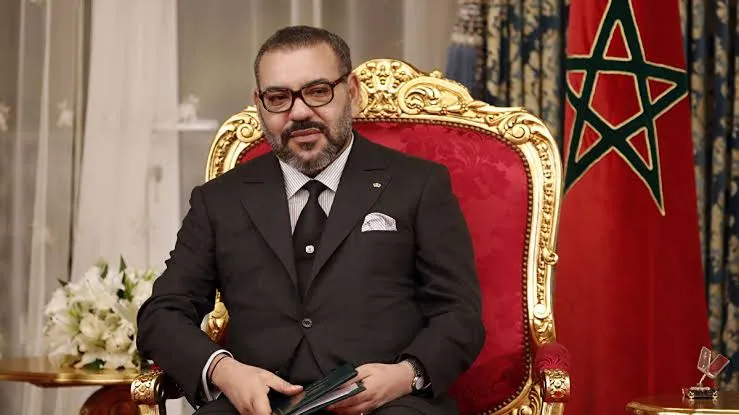
It is crucial to recognize that Spain is unlikely to use lethal force against Moroccan youth approaching its borders. As of 2026, the security of these frontiers remains uncertain, and Spanish citizens are acutely aware of the instability that this brings. The sense of isolation from mainland Spain has fostered a feeling of vulnerability among the residents of Ceuta and Melilla, leaving them subject to the whims of political maneuvering. King Mohammed VI of Morocco has been adept at exploiting Spain’s governmental weaknesses, particularly in light of allegations of corruption and moral decay within the current administration. This has led to calls for a new digital, aquatic, and possibly explosive Marcha Verde, signaling a profound challenge for Spanish military forces that may be hesitant to engage directly with civilians.
Ultimately, the opinions expressed reflect a deep concern among citizens about the efficacy of their political representatives in safeguarding fundamental rights and responding to international pressures. The dialogue surrounding these issues is vital, as it shapes public perception and influences future policy decisions. The unfolding narrative at Ceuta and Melilla is not merely a regional issue; it encapsulates broader themes of sovereignty, national identity, and the ethical dimensions of border control in an increasingly interconnected world.
As reported by teldeactualidad.com.