
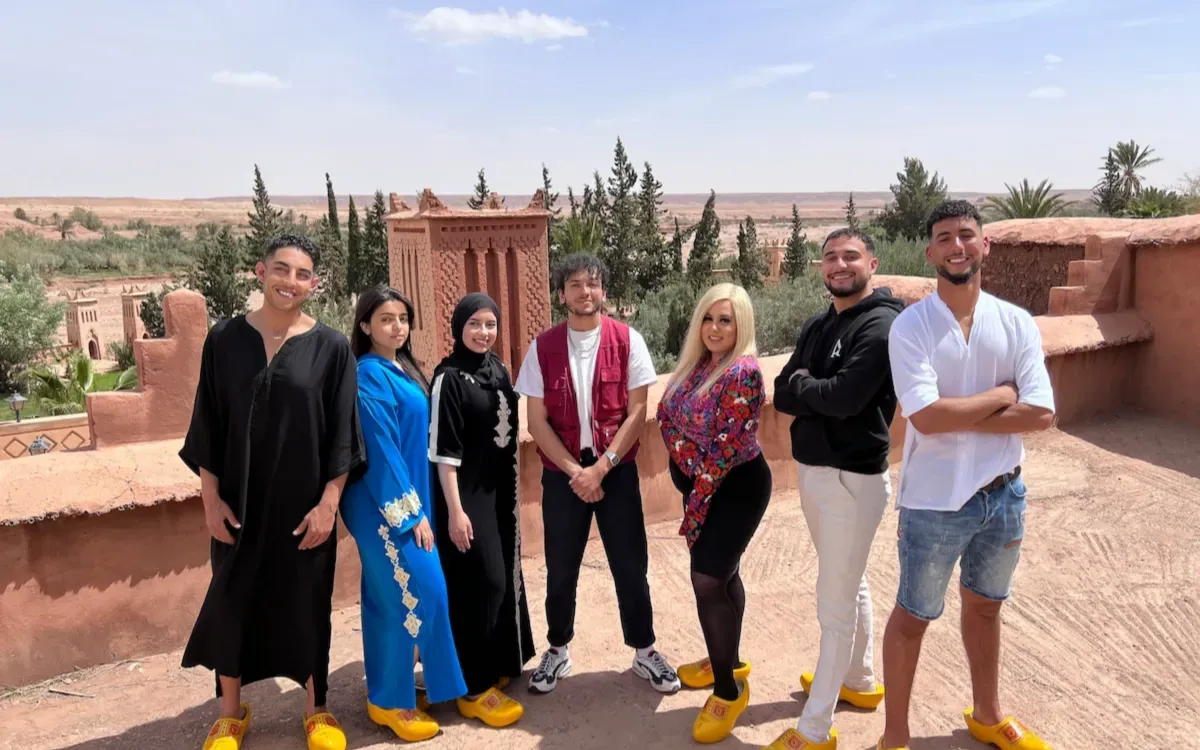

The current crisis unfolding in Ceuta has sparked profound reflections among the Moroccan community in the Netherlands, a group that has long sought stability and prosperity in Europe. The narrative of migration has taken a poignant turn, as many of these individuals are witnessing a drastic reversal of fortunes. Families that once left Morocco in search of a better future for their loved ones are now confronted with the stark reality of young Moroccans risking their lives to cross the same borders their ancestors once crossed for opportunity. This painful mirror reflects not only the struggles of those attempting to enter Europe but also the historical journey of those who have already settled in the Netherlands.
This sentiment has resurfaced powerfully in Dutch society, especially following a recent column published in Parlement.com. The article delves into the complex emotions of Dutch Moroccans as they witness the influx of migrants to Ceuta, revealing a mixture of pride and sorrow. Hajar Fargan, a prominent director, describes this situation as a "painful mirror," acknowledging the privileges that come with living in Europe while recognizing the harsh barriers it erects against newcomers. For many, the Netherlands is home, a place intertwined with their personal histories and familial bonds.
The Shifting Narrative of Migration
The paradox of identity is particularly pronounced among the younger generations of Dutch Moroccans. Many were born and raised in the Netherlands, forging their careers and lives there while maintaining ties to their Moroccan heritage. This duality complicates their relationship with Morocco; they no longer perceive it in the same light as their parents did, yet they refuse to sever their connections to their ancestral land. The current crisis in Ceuta represents a dramatic inversion of the migration narrative, where the descendants of those who once sought refuge in Europe are now observing a new wave of migration from Morocco, one that mirrors their family’s past.
Moreover, the situation in Ceuta highlights a unique tension within the Dutch political landscape, where the voices of Dutch Moroccans, many of whom represent a diverse heritage, are often overlooked in discussions surrounding immigration policy. Currently, there are 18 members in the Dutch Parliament who were either born abroad or have at least one foreign-born parent, primarily with Moroccan, Turkish, or Surinamese roots. Despite this representation, the emotional complexities expressed by the Moroccan community have not been adequately reflected in the political response to the crisis in Ceuta.
For a segment of the Moroccan diaspora, the events at Ceuta signify more than just a migration crisis at the Moroccan-Spanish border; they serve as a stark reminder of the ongoing struggles faced by those seeking a better life. The paths taken by these young individuals, fraught with danger and uncertainty, echo the historical journeys of their forebears. As those who have established their futures in Europe look on, they are confronted with the reality that the quest for a better life continues, and the pursuit of acceptance remains an ongoing challenge.
As reported by bladi.net.
