
Understanding the Implications of Morocco's Alleged Role in the Ceuta Incident
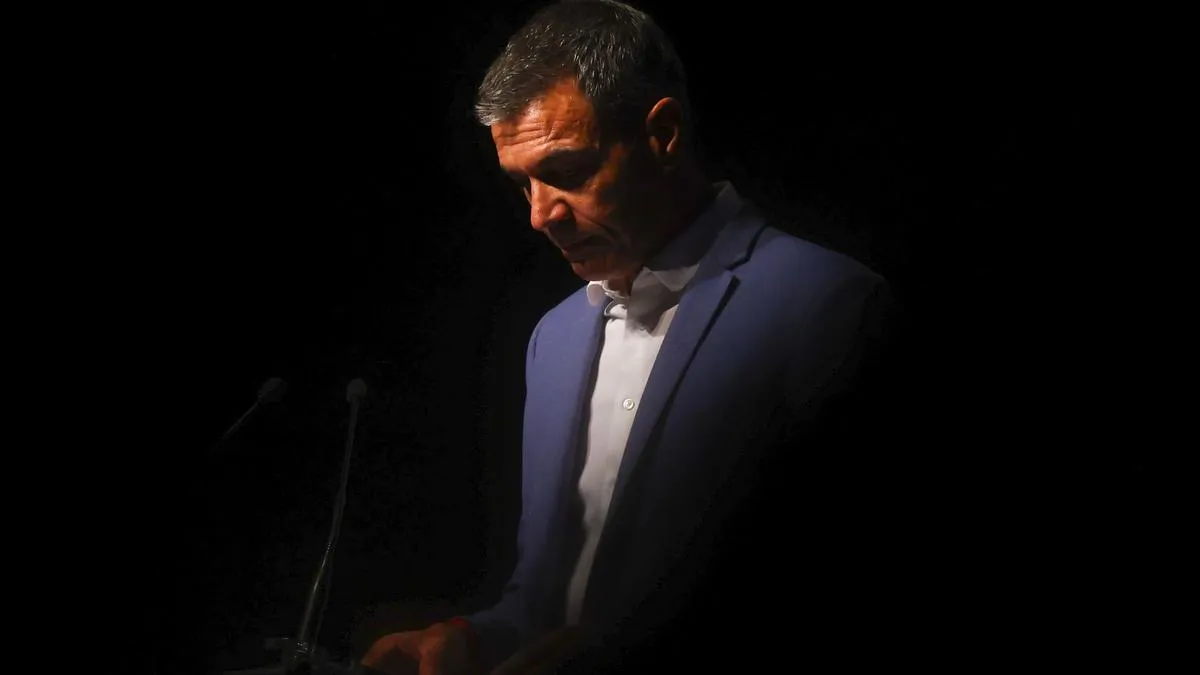
The recent turmoil surrounding the massive assault on Ceuta has ignited intense political debate in Spain, primarily focusing on whether Morocco participated, either directly or indirectly. This dilemma presents a binary choice: yes or no. However, the ramifications of the eventual answer extend far beyond a simple confirmation. This situation transcends a mere discussion; it is a critical examination of what could be perceived as a test of territorial invasion, or alternatively, a surge of immigration. Additionally, there exists the complex possibility of a calculated aggression from a neighboring country, masquerading as a humanitarian crisis involving vulnerable individuals. Spain's Prime Minister, Pedro Sánchez, along with the socialist core of his government, is currently grappling with one of the most destabilizing challenges to their credibility and future electoral prospects. The public sentiment is palpable, with various voices growing increasingly emboldened on the streets, while right-wing parties capitalize on the government’s perceived failures.
In the quest for clarity regarding the situation, which is undeniably essential yet tainted by potential Machiavellian undertones given the severity of the issue, it is crucial to dissect the response and behavior of Sánchez. While only he truly understands the motivations behind his actions, even his closest allies have begun to acknowledge, albeit reluctantly, that errors have been made. The repercussions at the conclusion of this convoluted process are sure to be significant, particularly if a convincing explanation fails to emerge or if the chaotic situation in Ceuta becomes entrenched. The growing cloud of suspicion surrounding Sánchez’s management has been amplified by widespread criticism, both domestically and internationally, and the ease with which this skepticism has taken root is alarming. Reversing this unfavorable situation appears to be an insurmountable task for Sánchez; he may attempt to obscure it, but such measures will likely fall short of satisfying the overwhelming majority of the public and political landscape.
Rising Suspicions and Investigations into Government Response
In light of this crisis, it is no surprise that suspicions are escalating. The sight of Moroccan border guards assisting individuals in boarding trucks bound for the neighboring border raises critical questions: Are these actions intended to help people escape their dismal circumstances, or are they part of a more sinister agenda orchestrated by a political-business-media triad based in Rabat, aiming for a covert territorial invasion? The evidence presented has significantly weakened the argument put forth by Sánchez and his government regarding Moroccan involvement. Judge Tardón's preliminary investigation is now focused on these credible pieces of evidence, which are not fabricated by artificial intelligence or false narratives, as some might wish to believe in order to discredit the insightful report from border police. This report poses a serious challenge to the government’s narrative, as it undermines their claims with stark objectivity. Interestingly, it appears that only a judge has taken the initiative to gather necessary data and facts, while the Ministry of the Interior was preoccupied with avoiding any suggestion of Moroccan complicity in the aggression. The strength of this data collection has assisted the State Prosecutor's Office in supporting the investigation by the National Court, opening a troubling avenue for potential accountability.
It is not far-fetched to suggest that Sánchez's perceived triviality in handling the Ceuta crisis could prove to be a decisive blow to both his personal and political future. While he is already besieged by other substantial crises, his previous decisive actions now seem to have faltered. He finds himself isolated both domestically and within Europe, culminating in a particularly unfortunate moment as he attempts to navigate the final stages of a legislative term that is unlikely to shine in the annals of parliamentary history. Moving forward, Sánchez may resort to empty gestures, such as engaging with social actors around topics like artificial intelligence or regional funding, while simultaneously attempting to mitigate dissent from other political factions. It would not be surprising if a defiant move from Sánchez's camp included introducing budget drafts at this critical juncture.
For the Popular Party (PP) and Vox, the strategy is now to wait for Sánchez to continue to stew in his own difficulties. It is challenging to recall a time when public demonstrations reflected such intense animosity towards a sitting Prime Minister. His lack of urgency in addressing territorial threats, coupled with his reticent response to the likely involvement of Morocco—whether alone or in conjunction with others, as seen in the definitive ruling concerning the Urquijo murder—combined with his poorly managed crisis response, only serves to undermine any hope for his political recovery.
As reported by noticiasdenavarra.com.