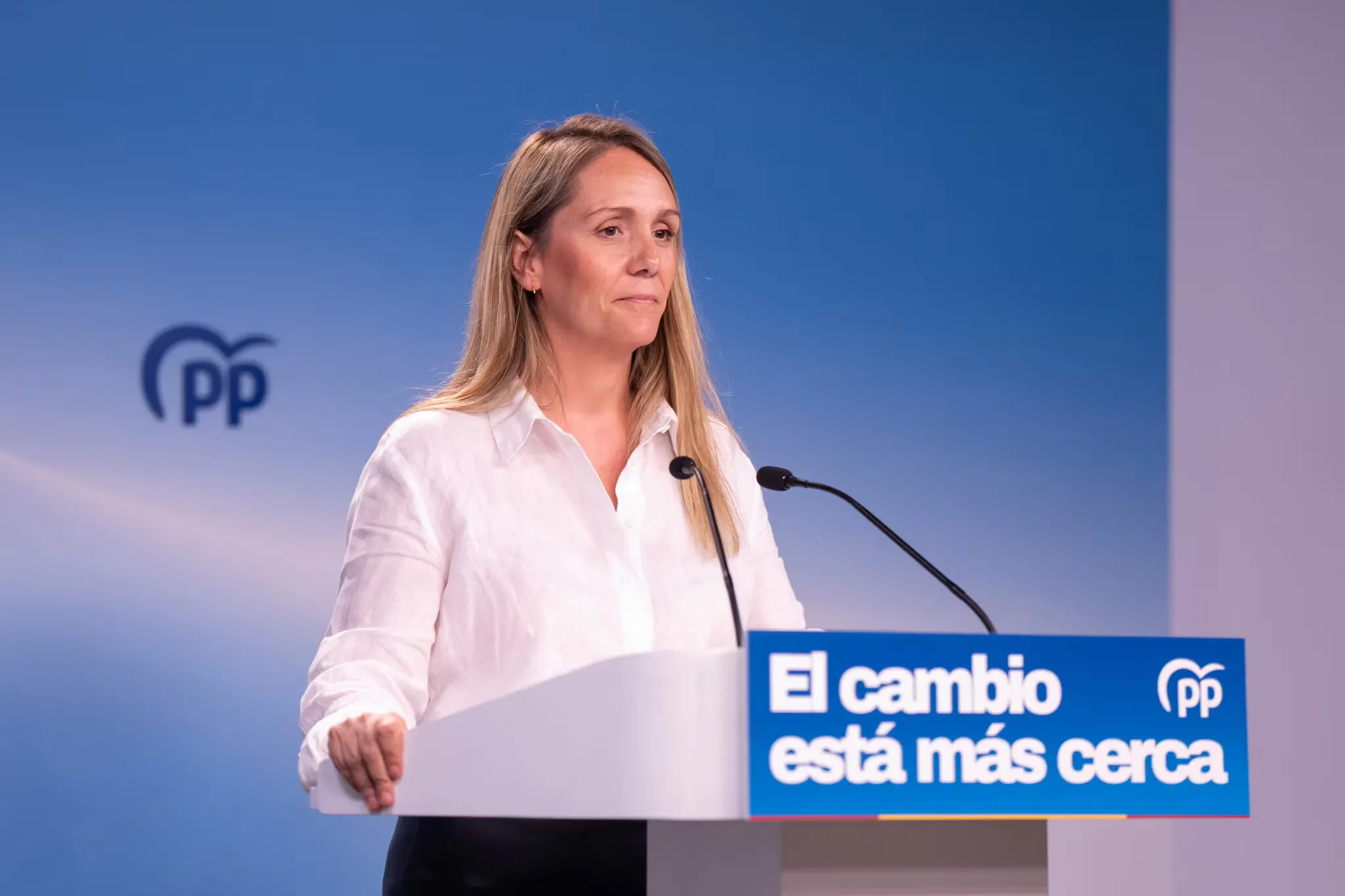

The Popular Party (PP), Spain's leading opposition party, has adopted a firmer stance against Morocco, directly blaming Rabat for the migration crisis that unfolded in Sebta on July 30. Following several days of focusing its criticism on the Spanish government led by Pedro Sánchez, the PP now attributes responsibility for the situation in Sebta to Morocco, alleging that the country played a crucial role in the irregular and massive influx of migrants. This shift in narrative was articulated by Alma Ezcurra, a prominent figure within the PP's national leadership, during her visit to Sebta. She claimed that Morocco is accountable for the events taking place in Sebta, stating, "Morocco is responsible for what has occurred and what continues to happen in Sebta," a sentiment she insists is now shared by "Spaniards, Europeans, and the entire world." Ezcurra's comments, reported by [El Mundo](https://www.elmundo.es/espana/2026/08/12/6a7c3492e4d4d81c138b457e.html "https://www.elmundo.es/espana/2026/08/12/6a7c3492e4d4d81c138b457e.html"), were underscored by her assertion that the sheer volume of migrants crossing the border in a violent manner suggests orchestration from Morocco.
Ezcurra's use of the metaphor of a whistle blowing to signal the movement of thousands of people across the border insinuates an orchestrated operation from Morocco, yet lacks any concrete evidence to substantiate such claims. This narrative shifts the interpretation of the return of tens of thousands of individuals from a potential acknowledgment of Moroccan authorities' efforts to manage the situation to an accusation against Rabat. The PP's rhetoric marks a significant pivot from its earlier, more cautious approach regarding the crisis. Just a week prior, Miguel Tellado, the PP's secretary-general, had focused blame on Sánchez alone, without implicating Morocco directly.
Ezcurra's statements reflect a newly aggressive strategy that positions the PP to directly challenge the governing PSOE, accusing them of fostering a relationship with Morocco that is opaque and unequal. This approach also places the conservatives in a competitive dynamic with Vox, seeking to establish who can adopt the most hostile rhetoric towards Morocco. In her remarks, Ezcurra claimed, "Spain cannot hand over the key to its border to Rabat," pledging that a government led by the PP would rectify this situation. While this assertion is meant to convey strength, it overlooks a fundamental reality: cooperation with Morocco is not merely a favor granted by Sánchez, but a structural necessity for any Spanish government.
The PP's call for increased transparency in Spain's dealings with Morocco, alongside its demand for a diplomatic confrontation over Morocco's historical claims to Sebta and Melilla, indicates a contradictory stance. The PP appears to demand that the Spanish government ensure Moroccan cooperation on migration issues, while simultaneously pushing for a diplomatic rift based on long-standing positions held by Morocco. This inconsistency is further illustrated by accusations that Morocco is disengaging from border management, despite evidence of Moroccan security forces actively working to mitigate migration pressures and maintain order in the face of social media calls for mass crossings.
As the August 15 date approaches, which has been suggested as a timeframe for renewed attempts at crossing the border, Morocco has stepped up its security measures and made it clear that it would enforce the law rigorously. The Moroccan government has also requested that Spain expedite procedures for the return of unaccompanied Moroccan minors. These actions contradict the narrative of Morocco shirking its responsibilities, as they demonstrate a commitment to managing migration while asserting its territorial claims over Sebta and Melilla.
The PP's aggressive posture may yield short-term political gains, allowing it to criticize Sánchez and contest the PSOE's foreign policy. However, in the long run, this strategy could backfire. Feijóo, the leader of the PP, has expressed a desire to foster a relationship with Morocco based on trust and mutual respect, but this foundation is unlikely to be built on unfounded accusations and threats. Ultimately, Spain must recognize its obligations when dealing with migration at its borders and cannot solely rely on Morocco to manage these issues.
The PP is entitled to question Sánchez's handling of the crisis and demand accountability. Nevertheless, using Morocco as a political weapon will not resolve the issues in Sebta nor enhance bilateral cooperation. If Feijóo hopes to establish a stable and constructive relationship with Morocco, he must approach the situation with a level of diplomacy and understanding that transcends partisan politics.
As reported by fr.le360.ma.