Shifting Perspectives on the Polisario Front
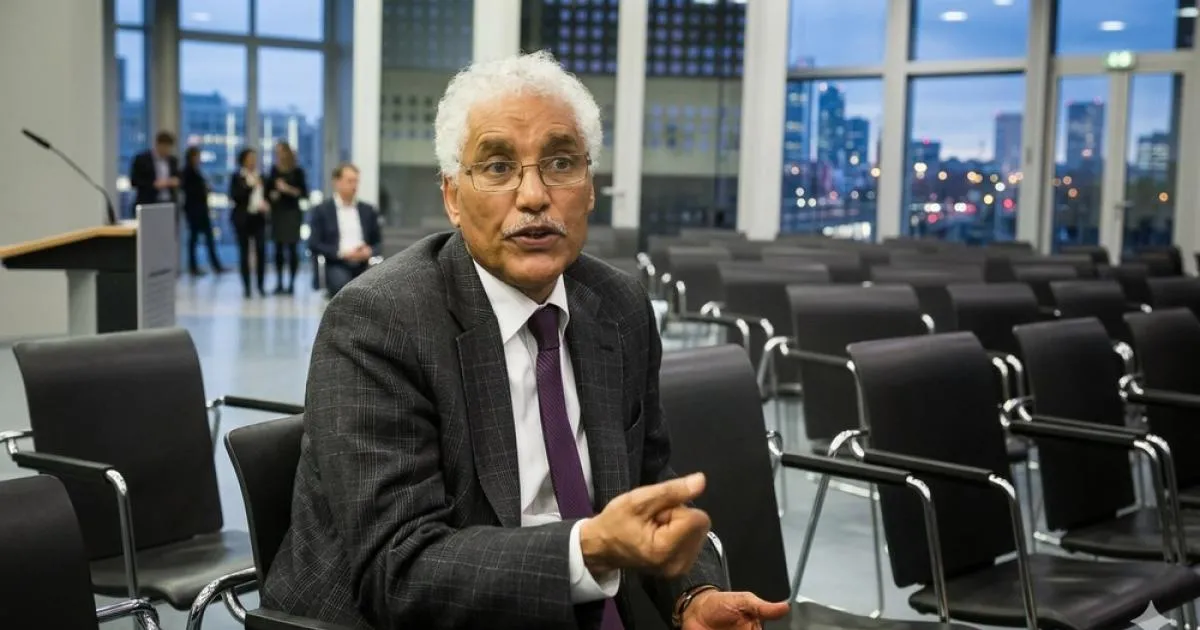
Recent declarations by Mohamed Sidati, the foreign minister of the self-proclaimed Sahrawi Arab Democratic Republic, have sparked significant political shifts within the Polisario Front, suggesting a growing acknowledgment of the impracticality of its long-standing demand for independence. Analysts have interpreted Sidati's comments as indicative of a diplomatic isolation that the Polisario leadership is increasingly experiencing. His remarks, made in an interview with the Spanish newspaper "El Español," reflect a stark departure from the radical rhetoric that has characterized the Polisario's stance for decades, marking a potential turning point in their approach to the ongoing dispute over Western Sahara.
The implications of Sidati's acknowledgment of the "impossibility of separatism" are profound, signaling a collapse of the ideological foundation upon which the Polisario has relied for years. This shift aligns closely with Morocco's realistic diplomatic efforts, especially following the United Nations Security Council Resolution 2797, which recognized Morocco's autonomy proposal as a viable framework for negotiations. The evolving geopolitical landscape, coupled with Morocco's effective diplomacy, has compelled the Polisario leadership to reassess its position.
Impact of International Dynamics on Polisario's Future
For decades, the Polisario Front maintained a rigid narrative that rejected any compromise not leading to complete separation from Morocco. However, the shifting global context, particularly in 2026, has made it clear that the world is increasingly favoring the stability and territorial integrity of nations. This reality has rendered the notion of independence for the Western Sahara as unattainable, forcing the Polisario to confront the futility of its previous stance.
Sidati's statements not only reveal an internal recognition of the untenability of their cause but also reflect significant pressures from within the refugee camps in Tindouf. There is a growing call among the population for a resolution that ensures their dignity and extricates them from a prolonged state of limbo, especially as Morocco continues to achieve remarkable developmental successes in its southern regions. Cities like Laayoune and Dakhla have transformed into global economic hubs, attracting substantial foreign investment.
The notion of "political realism" expressed in Sidati's comments underscores the diminishing hope for external support that the Polisario has historically relied upon. As Morocco solidifies its position as a stable and reliable partner in North Africa and the Mediterranean, the Polisario faces a stark choice: to either cling to outdated ideologies that lead to irrelevance or engage in a political process under Moroccan sovereignty that guarantees their future and acknowledges the reality of the situation.
As reported by middle-east-online.com.