
The recent admission by the so-called Foreign Minister of the illegitimate entity known as the "Sahrawi Republic" that the prospect of independence is impossible highlights the increasing diplomatic isolation faced by the Polisario Front. This shift in tone is not merely a momentary lapse; it represents a significant political earthquake that has compelled the separatist group to reassess its long-standing ideological stance regarding the Western Sahara conflict.
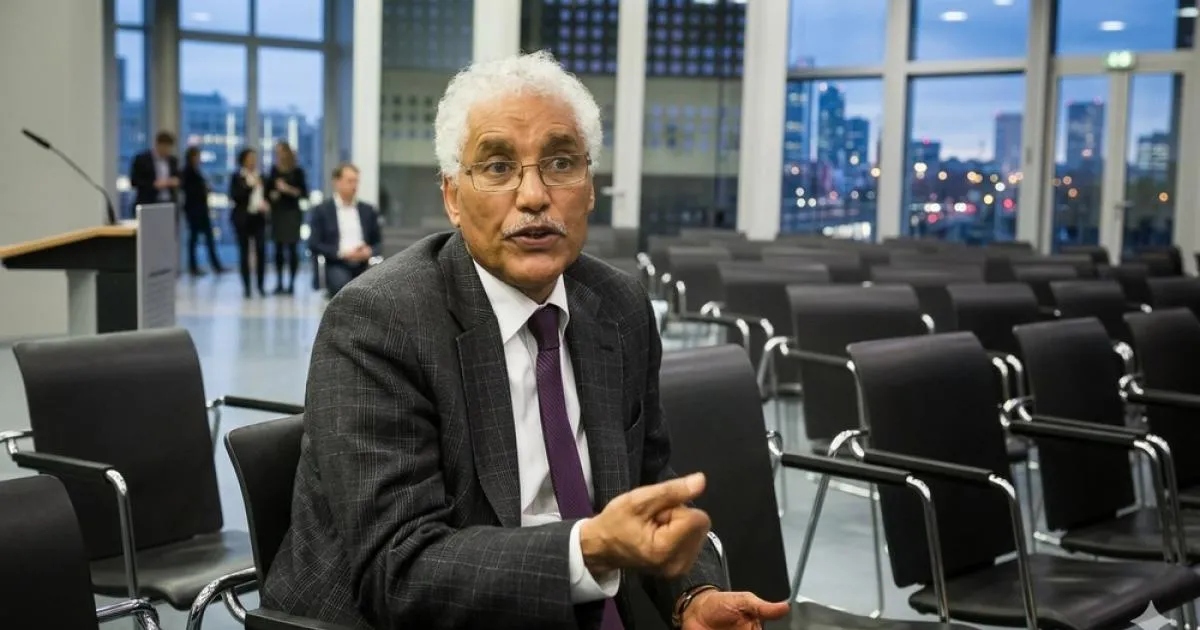
In an interview with the Spanish newspaper "El Español," Mohamed Sidati, the foreign minister of the separatist entity, openly recognized the futility of pursuing independence in light of current geopolitical realities. This admission serves as a formal acknowledgment that the ideological framework upon which Polisario has built its narrative for decades is crumbling, ultimately reflecting a new political realism shaped by the persistent and effective Moroccan diplomacy.
Historically, the Polisario Front has clung to radical slogans that outright rejected any solutions not guaranteeing complete separation from Morocco. However, the recent revelations have unveiled a different side of the separatist leadership, one that is beginning to understand that the path it has followed is leading nowhere. This realization is the result of accumulated political, legal, and on-the-ground pressures that have rendered the independence option an unattainable illusion.
The international environment in 2026 starkly contrasts with that of a decade prior, where the global trend is increasingly favoring the stability and territorial integrity of nations, countering the threats of fragmentation and regional tensions. The implicit recognition by Sidati from within the separatist diplomatic apparatus underscores that Morocco's autonomy initiative has evolved from a mere proposal to the only viable framework that receives acceptance from major global powers and the international community.
Sidati's acknowledgment of the "impossibility of independence" indicates that the separatist leadership is grappling with severe diplomatic isolation, especially as numerous countries in Africa, America, and Europe have withdrawn their recognition of the purported entity. This has effectively stripped the Polisario's claims of any legal or political support that they once relied upon under the guise of "liberation movements and self-determination." Furthermore, this notable shift in discourse reflects the mounting internal pressures within the Tindouf camps, where voices are increasingly calling for a solution that preserves the dignity of the residents and frees them from the endless cycle of displacement and futile waiting.
Amidst the significant developmental successes in Morocco's southern regions, cities like Laayoune and Dakhla have transformed into global economic hubs attracting commercial and consular investments. The discussion of "political realism" in Sidati's interview signals that the Polisario Front has lost its final bet on external support, which has been eroding due to Morocco's pragmatic approach and the quiet diplomacy that has laid the groundwork for this phase. The Polisario's hopes have also diminished in light of the strategic interests of countries aligning with Morocco as a reliable and stable partner in North Africa and the Mediterranean.
In the broader international context, the recent decision by the United Nations Security Council, alongside initiatives led by Madrid and Washington to solidify a sustainable political solution, has presented the Polisario leaders with two stark choices: either continue to cling to outdated slogans and face irrelevance, or engage in a political process under Moroccan sovereignty that ensures their future.
As reported by middle-east-online.com.