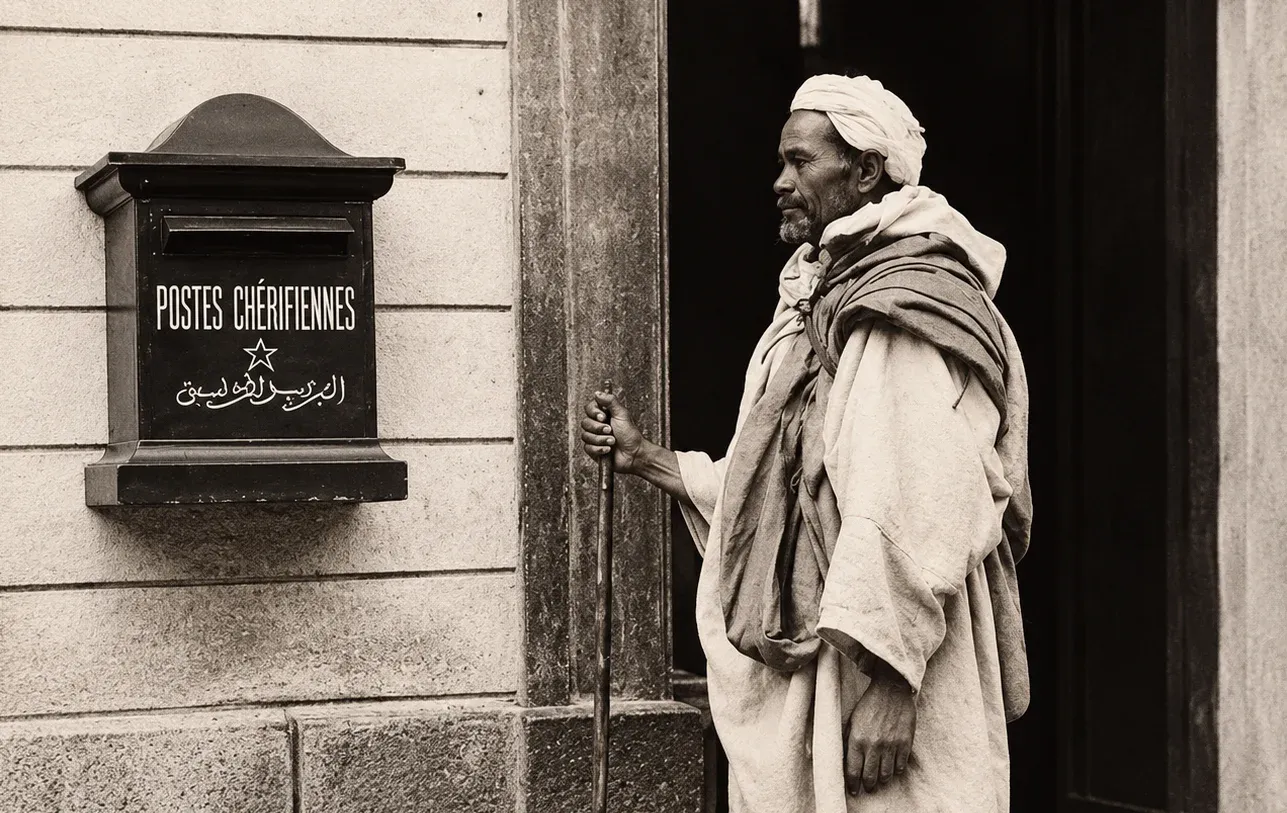

The Historic Role of Rekkas in Morocco's Postal System
Long before the advent of modern transportation methods such as trains, cars, and planes, the task of delivering letters across Morocco was entrusted to a unique group of individuals known as rekkas. These exceptional couriers were not merely messengers; they were embodiments of endurance and efficiency, traversing the country on foot, often facing the harsh realities of rugged terrain, scorching heat, and heavy downpours. The rekkas played a crucial role in the postal landscape of Morocco, serving as vital links in communication during a time when no organized postal service existed.
By the late 19th century, the role of rekkas began to evolve as Morocco saw an increase in foreign diplomatic missions that established their own postal services. According to records from Bank Al-Maghrib, these missions introduced their own postage stamps, which were overprinted to reflect a distinctly Moroccan flair. From 1862 onward, various foreign entities initiated the establishment of post offices, creating a patchwork of postal services across the kingdom.
During the years 1891 to 1906, private operators emerged, creating postal links between cities using what became known as Local Posts. In response to this fragmented system, Sultan Moulay Hassan I, who ruled from 1873 to 1894, took significant steps to organize the postal service in Morocco. In 1892, he established the Poste Makhzen, which marked the inception of a formal intercity postal network. Initially covering 13 cities, this network relied heavily on the rekkas to carry mail by foot, showcasing their indispensable role in the postal system.
The Endurance and Efficiency of Rekkas
Historical accounts and foreign observations paint a vivid picture of the rekkas' exceptional physical capabilities. Described as sinewy and vigorous, these couriers could traverse remarkable distances, often covering up to 90 kilometers in a single day. One notable account from Gibbons Stamp Weekly highlights their resilience, noting that their only attire consisted of a waterproof pea-jacket, akin to a sailor's oilskin, while their sole means of defense was a sturdy stick.
French writer André Chevrillon, in his travel writings, expressed his admiration for the rekkas, recounting encounters with these remarkable individuals as they navigated the rugged Moroccan landscape. He described one rekkas as being almost naked, displaying the physical toll of his arduous journey under the sun. Chevrillon marveled at how these couriers moved with the precision and speed of a machine, seemingly capable of running indefinitely without rest. For instance, a rekkas could deliver mail from Tangier to Fez in just four days, showcasing their extraordinary ability to cover vast distances with minimal breaks.
Moreover, the profession of rekkas was often passed down through generations, as noted by Chevrillon, suggesting that the skills and endurance required for this demanding work were cultivated over a lifetime. The compensation for their efforts was substantial; they received between £2 to three guineas for each journey undertaken, reflecting the value of their service. Even as Morocco's postal system began to modernize in the early 20th century with the establishment of regular mail services by Sultan Moulay Hafid in 1911, the rekkas' legacy continued, albeit in a diminished capacity. Their story remains a testament to the resilience and spirit of those who once served as the backbone of Morocco's communication network.
As reported by en.yabiladi.com.