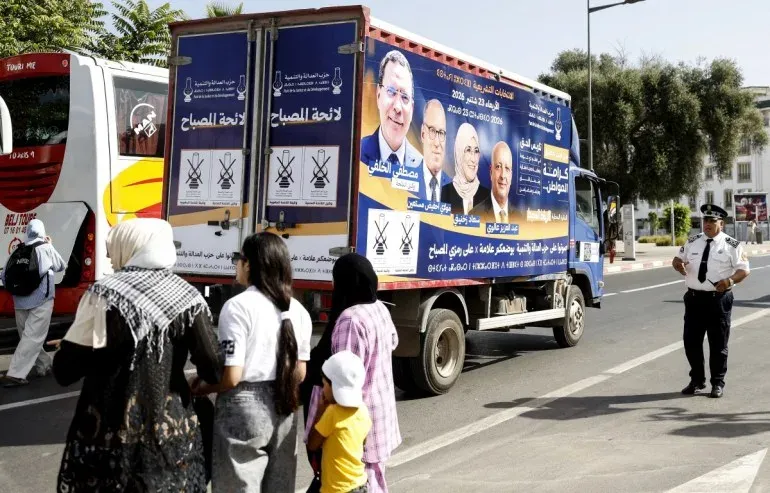

From Triumph to Turmoil: The PJD's Political Journey
In a striking turn of events, Morocco's Justice and Development Party (PJD) transitioned from being a dominant political force benefiting from the post-2011 reform era to experiencing a staggering electoral defeat in 2021. Initially, the party secured 107 out of 395 parliamentary seats during the November 2011 elections, a result spurred by widespread protests advocating for political reform, enhanced accountability, and a more responsive governmental framework. Under the leadership of Abdelilah Benkirane, the PJD formed the government, leveraging the constitutional changes that had expanded parliamentary powers while still maintaining significant authority for the monarchy. The king retains the prerogative to appoint the head of government from the party that secures the most seats in the House of Representatives, while also presiding over the Council of Ministers, where key state strategies are deliberated.
In the subsequent 2016 elections, the PJD's representation grew to 125 seats; however, the party faced significant challenges in forming a governing coalition, leading to Benkirane's dismissal and the appointment of Saadeddine Othmani as his successor in March 2017. Despite remaining in power until the catastrophic electoral loss in September 2021, where the PJD plummeted to just 13 seats—losing 112—the landscape shifted dramatically, with the National Rally of Independents (RNI) emerging as the leading party with 102 seats.
Rebuilding a Political Brand: The Role of Benkirane
The return of Benkirane raises pertinent questions regarding the PJD's strategy for resurgence. A recent analysis by Al Jazeera Studies characterizes him as a political
As reported by yahoo.com.