Unlicensed Transport: A Growing Threat in Morocco
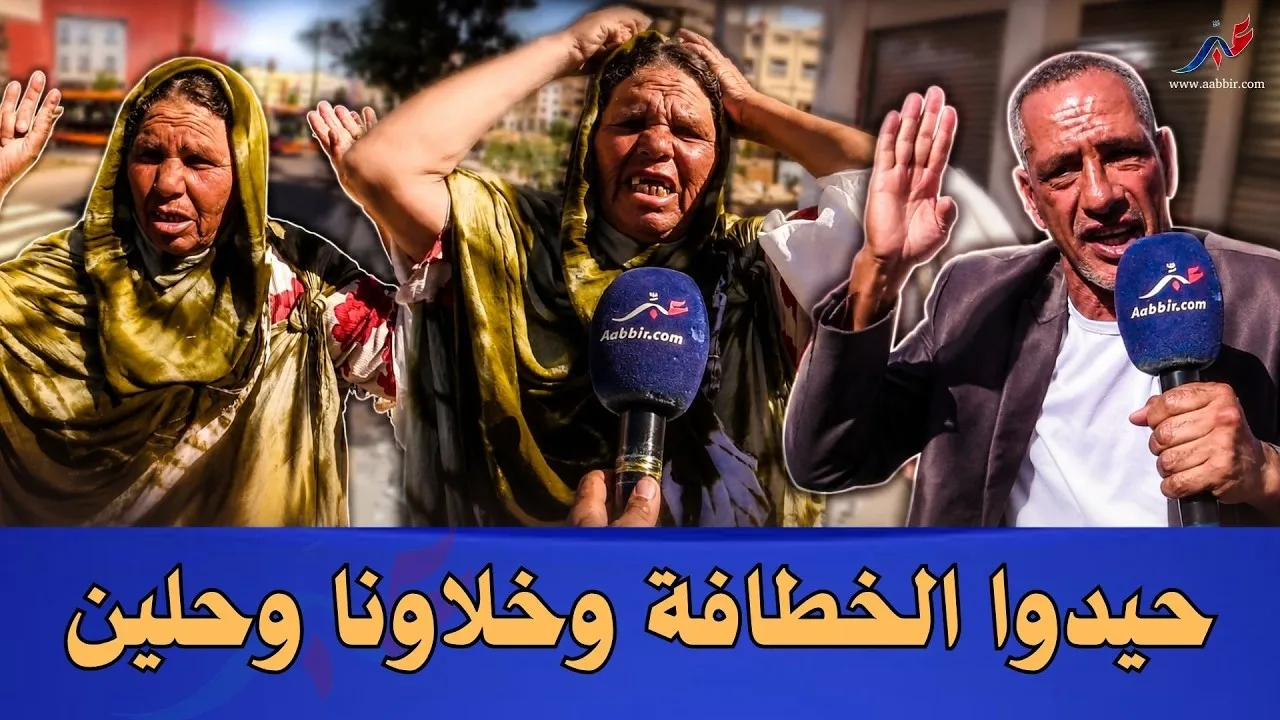
As summer approaches, the issue of unlicensed transport, particularly through the notorious "khattafa," resurfaces in several Moroccan cities. While these services may seem like a convenient option for passengers, experts are raising alarms about the significant risks involved, particularly in the event of an accident. The lack of legal frameworks and sufficient protective measures for passengers makes these informal transport options a dangerous gamble.
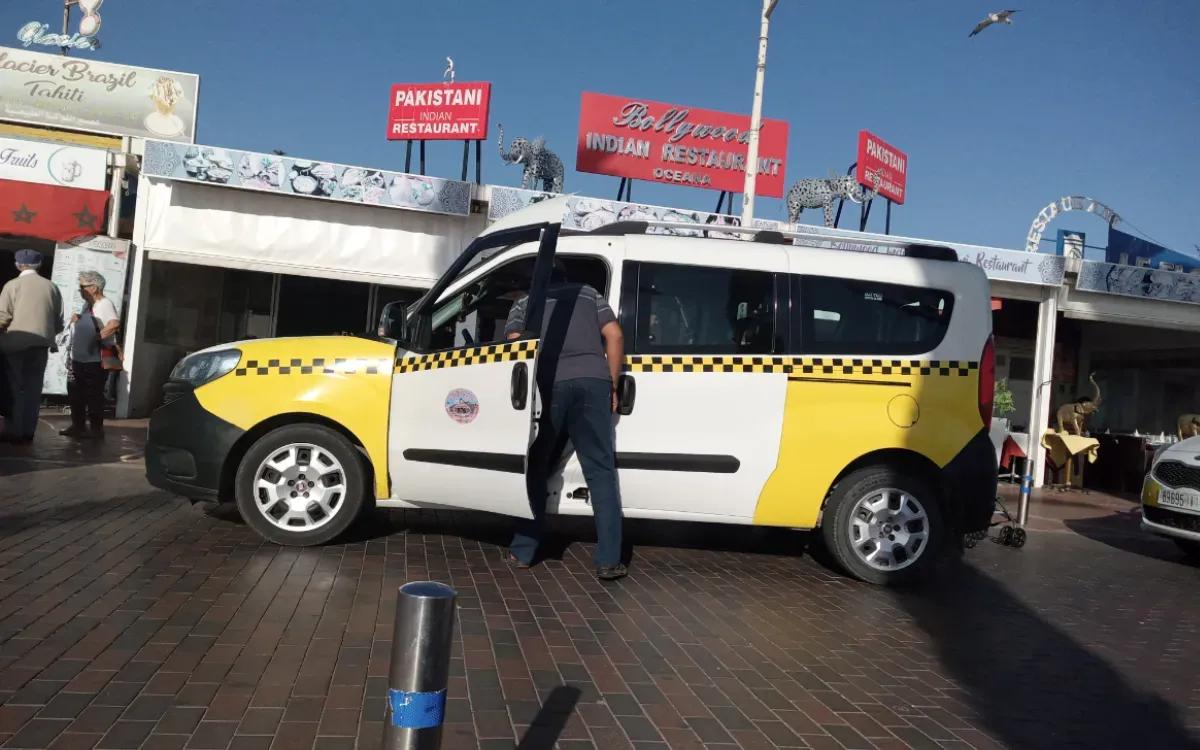
The re-emergence of "khattafa" services has reignited discussions surrounding illegal transport in Morocco. In Agadir, for instance, transportation professionals are advocating for intensive monitoring and control measures against these unauthorized vehicles, which tend to proliferate when traditional taxis and other forms of transportation are unavailable. Passengers may view these rides as a last resort, but the dangers are considerable. As pointed out by Mustafa El Hajji, president of the Moroccan Road Safety Association, these drivers operate outside the law and lack the necessary authorizations to transport individuals.
The Risks of Riding with Khattafa
The most pressing concern with unlicensed transport revolves around passenger safety. In the unfortunate event of an accident, the absence of a legal framework and appropriate insurance could leave victims without adequate recourse or support. Road safety experts emphasize that utilizing these vehicles exposes citizens to direct risks, particularly against the backdrop of rising road accident statistics in Morocco.
Taxi professionals have also voiced their frustrations regarding the lax enforcement of existing laws. They argue that the penalties for illegal transport—ranging from fines of 1,000 to 10,000 dirhams and potential prison sentences starting at six months—already exist but are seldom enforced rigorously. In practice, authorities often resort to merely towing the vehicles for a few days rather than imposing more stringent measures.
The challenges posed by "khattafa" are compounded by the actions of some taxi drivers who avoid less profitable routes, creating a gap that illegal transport services quickly fill. Professionals in the industry encourage citizens to report taxi drivers who refuse fares, thereby addressing the systemic issues that enable the proliferation of unlicensed transport.
Experts urge local authorities and communities to devise structured solutions, particularly in urban areas where the legal transport options are insufficient. Without viable alternatives, many citizens continue to rely on "khattafa," sometimes risking their safety to avoid being stranded overnight or facing other dangers.
As reported by bladi.net.