
The Significance of Renewed Dialogue
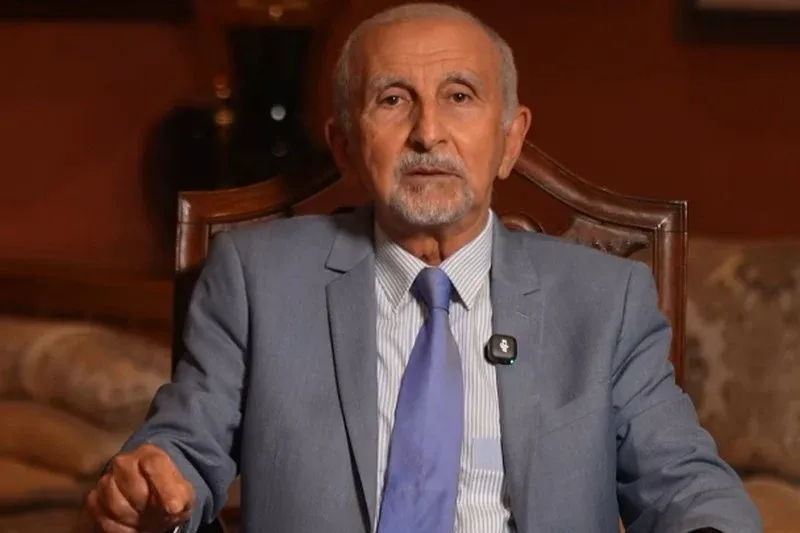
In a recent discussion, international relations expert Tajeddine Elhousaini emphasized the importance of the joint committee's reinstatement as a crucial development in Morocco-Egypt relations. Amidst claims of deteriorating ties following the postponement of a scheduled high-level meeting, the return of both nations to the negotiation table in Cairo serves as a powerful counter-narrative. Rather than illustrating a rift, this renewed dialogue highlights the resilience and strength of the bilateral relationship that has persisted over time.
Elhousaini shared insights on the strategic program "Strategic Dimensions," aired by Hespress, where he pointed out that the scheduled meeting, originally set for April 10, was misinterpreted by some media outlets as a sign of isolation between Morocco and Egypt. However, the subsequent high-profile discussions, directly overseen by the heads of government and including ministers from vital sectors such as foreign affairs, economy, and agriculture, underscore a commitment to fostering cooperation and solidarity. This gathering is a testament to the historical and cultural ties that bind these two nations, exemplified by their joint efforts during the October War in 1973.
Addressing Economic Challenges
As Elhousaini noted, the current high-level talks also aim to address specific economic challenges that have surfaced intermittently between the two countries, particularly in the realm of trade. Issues such as delays in the export of Moroccan cars to Egypt and the prolonged detention of some Moroccan goods at ports have been obstacles to smooth trade relations. The trade balance currently favors Egypt, with Moroccan exports lagging behind imports, which include furniture and construction materials. This imbalance, exacerbated by what Elhousaini describes as "commercial dumping practices," is a central focus of the ongoing discussions aimed at restoring equilibrium in economic exchanges.
The expert also highlighted the significance of Morocco and Egypt as pivotal players in ensuring stability within the Arab and African regions. Their geographical locations and active roles in international organizations, such as the Arab League and the African Union, position them as key contributors to regional harmony. As Elhousaini articulated, Egypt's historical and geopolitical stature enables it to play a vital role in maintaining balance in the region, while Morocco's diversified economic partnerships enhance its role as a strategic hub connecting Africa with Europe and beyond.
In conclusion, the reactivation of the joint committee is more than just a procedural event; it symbolizes a shared political will to strengthen the Morocco-Egypt partnership, which extends beyond temporary disputes. This collaboration is essential for tackling regional and global challenges, affirming a commitment to an enduring alliance that is rooted in mutual respect and shared interests.
As reported by hespress.com.