
Coworking Spaces: A New Era for Professionals
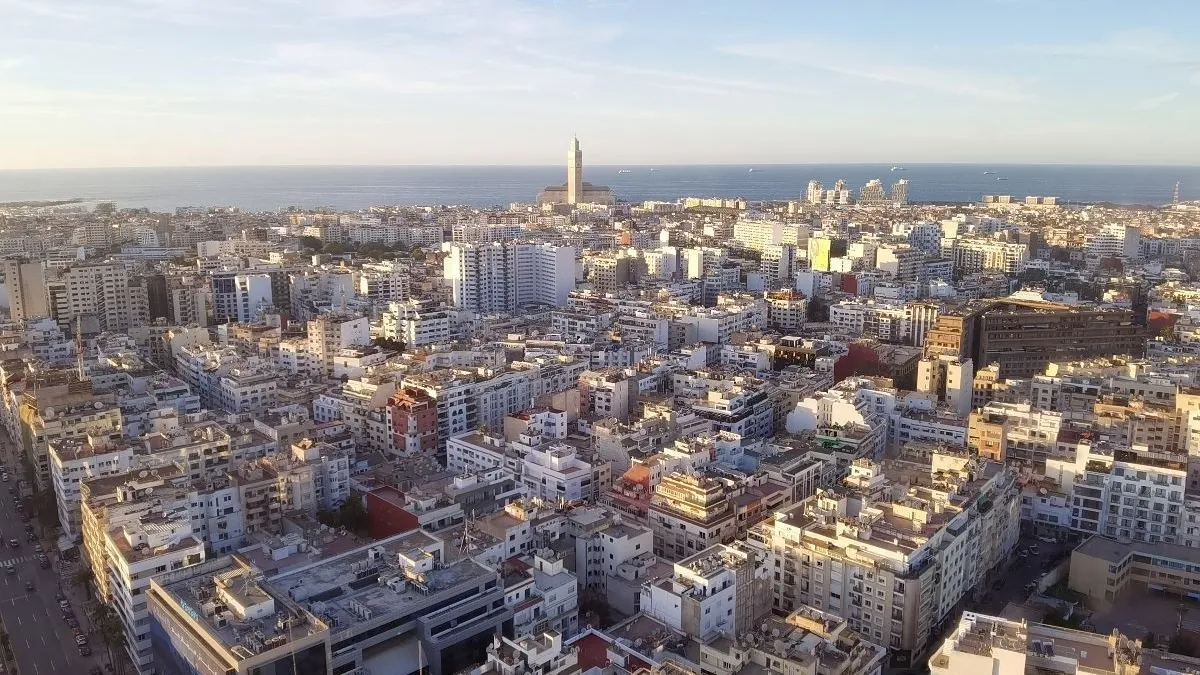
In the bustling metropolis of Casablanca, the traditional notion of an office is evolving significantly. No longer confined to the four walls of a corporate building, the workplace has transcended into coworking spaces where individuals come together not just to work, but to collaborate and innovate. This transformation is driven by the rise of remote work, the increasing number of freelancers, and the daily challenges of urban commuting, making coworking spaces a strategic solution for modern professionals seeking flexibility and a conducive work environment.
From Cafés to Dedicated Workspaces
For years, cafés served as the go-to refuge for freelancers, students, and entrepreneurs, offering a Wi-Fi connection, an electrical outlet, and a cup of coffee as the essentials for a makeshift office. However, this model has its limitations. Issues such as ambient noise, lack of privacy for video conferencing, and the implicit pressure to keep ordering food or drinks can hinder productivity. Many cafés are now adjusting their policies to accommodate patrons who occupy tables for extended periods, further highlighting the need for dedicated workspaces.
Coworking spaces present a fresh philosophy where payment grants access to a comprehensive work environment rather than just a consumable product. Whether it’s private or shared offices, ergonomic furniture, high-speed internet, meeting rooms, phone booths, printers, or relaxation areas, these facilities are designed with productivity in mind. Here, coffee is just one of many services offered rather than the main focus.
In Casablanca, this evolution mirrors the diversification of professional profiles. A mix of consultants, developers, architects, graphic designers, translators, content creators, and remote employees now frequent these coworking hubs, especially in business districts like Gauthier, Maarif, CIL, Casablanca Finance City, and Almaz. The options available have expanded to include hourly, daily, or monthly plans, catering to both occasional and regular users.
According to Ghali, a frequent coworking user, “Coworking addresses the need for structure. Many freelancers say that working from home blurs the boundaries between personal life and professional activity. Having a dedicated workspace each morning helps recreate a routine, structure the day, and limit distractions. Additionally, being around other professionals fosters a collective motivation without the constraints of a traditional office.” He further notes that many valuable exchanges occur around the coffee machine, in communal lounges, or during evening workshops, often leading to new projects, partnerships, or referrals.
Consequently, several coworking space managers are focusing as much on community engagement as they are on renting out office space. They offer conferences, training sessions, and networking events for entrepreneurs, enhancing the collaborative atmosphere.
This shift is part of a broader transformation in the job market. The rise of telecommuting, the growth of independent workers, and the emergence of small businesses are driving demand for flexible workspaces that do not require heavy real estate investments or long-term leases.
As the leading economic hub of Morocco, Casablanca naturally exhibits a vibrant job market, and its coworking offerings are expanding year after year. A manager of a coworking space interviewed by L'Opinion highlighted that this trend reflects a new way of living in the city. Some professionals choose spaces close to home to avoid lengthy commutes, while others prioritize locations that are easily accessible or near clients. The concept of an office is becoming a service that individuals reserve based on their needs rather than a fixed location they must attend out of obligation.
As reported by lopinion.ma.