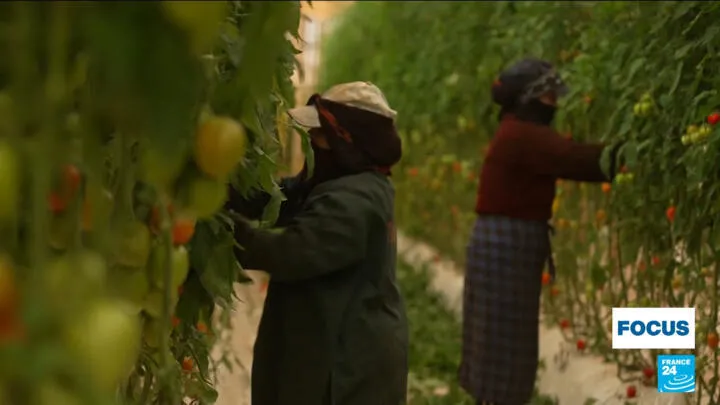

Moroccan Tomato Farms: A Controversial Source of Cheap Produce
In recent years, the agricultural landscape has experienced significant shifts, particularly in the realm of tomato production. Moroccan farms have emerged as a dominant source of affordable tomatoes for European markets, particularly France. With prices as low as 99 cents per basket, these tomatoes are notably cheaper—often two to three times less—than their French counterparts. The emergence of this pricing has sparked discontent among French tomato producers, who argue that it creates an uneven playing field and constitutes unfair competition. The root of this contention lies in the practices employed on Moroccan farms, notably those run by the Franco-Moroccan company Azura, which has come under scrutiny for allegedly exploiting migrant laborers in its operations. Amidst the backdrop of modern farming techniques and advanced agricultural technology, the ethical implications of such practices warrant a deeper examination.
Labor Practices and Ethical Concerns in Agriculture
The modern agricultural sector has increasingly integrated technology to enhance productivity and reduce costs. However, this has often come at a significant human cost. Reports have surfaced suggesting that the labor force on these Moroccan mega-farms consists largely of vulnerable migrant workers, raising serious questions about their working conditions and rights. Critics argue that these workers endure long hours under harsh conditions while receiving meager compensation. Despite the advanced machinery and apparent efficiency of these farms, the ethical considerations surrounding labor practices cannot be overlooked. The juxtaposition of low prices and potential exploitation highlights a critical issue within global agricultural supply chains. As consumers in Europe benefit from cheaper produce, it is essential to consider the ramifications of such practices on the lives of those who cultivate these products. The situation invites a broader discussion about sustainability, human rights, and the future of food production.
As reported by guardian.ng.