
The Transformation of the Automotive Landscape
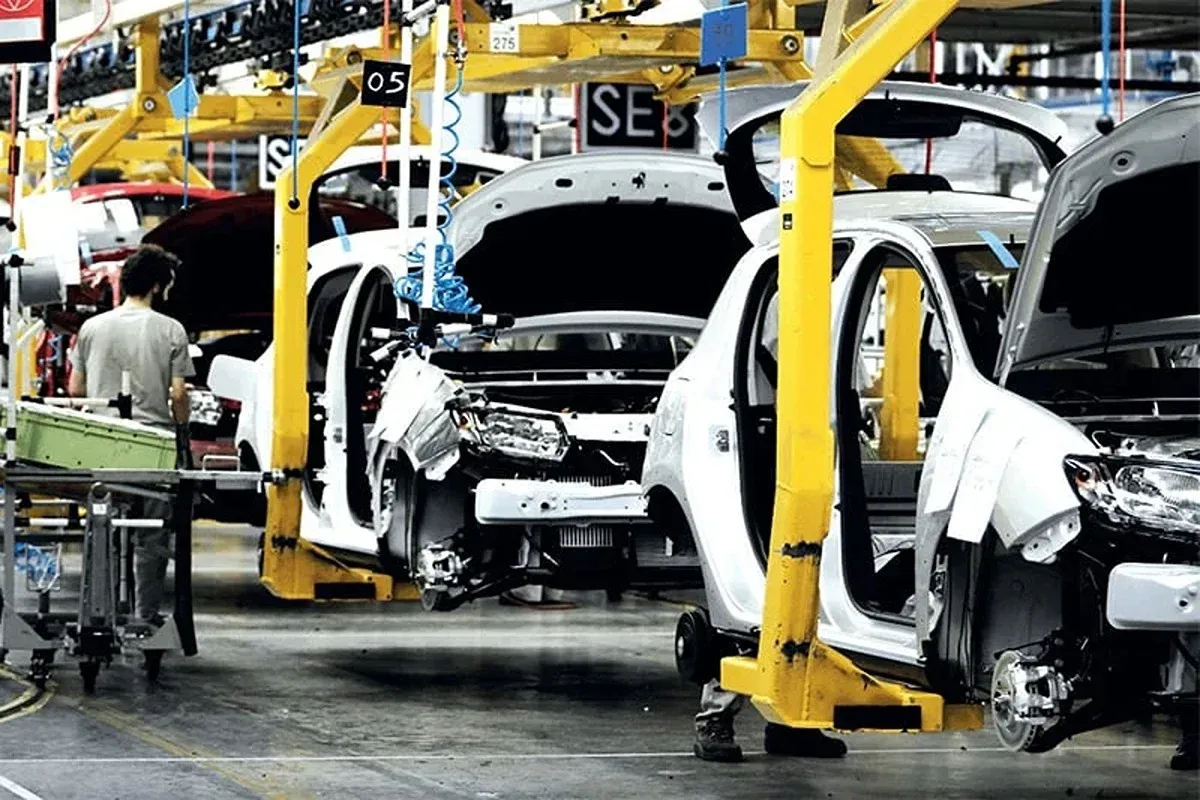
The growing prominence of Morocco's automotive industry is beginning to shift the dynamics of automotive production in Europe. An analysis published by _RUSSPAIN_, an independent English-language outlet specializing in Spanish news, presents Morocco as a "serious competitor" to Spain, driven by its competitive costs, strategic geographical location, and an influx of Chinese and European investments in electric vehicles and batteries. In recent years, Morocco has emerged as one of the most dynamic players in the global automotive sector, capturing the attention of manufacturers and investors who have traditionally focused their efforts on Spain. The industry's transition towards electric mobility adds a new layer to this competition, as highlighted by _RUSSPAIN_.
One of the notable aspects of Morocco's industrial ecosystem is that it has evolved beyond traditional automotive manufacturing. The country has gradually positioned itself within the new value chains associated with electric mobility, particularly in battery production.
Batteries: The New Competitive Frontier
According to _RUSSPAIN_, battery production is fast becoming the new battleground within the automotive industry. The dominance of Chinese firms like CATL and BYD in this sector is prompting European players to seek new industrial bases and supply sources. In this context, the Gotion High-Tech project in Kénitra is pivotal. The upcoming gigafactory is portrayed by _RUSSPAIN_ as one of the flagship projects of this new industrial era, expected to produce batteries for companies like Stellantis and Volkswagen's European operations. This development not only symbolizes Morocco's capability to attract investments previously concentrated in Spain but also highlights the strategic shift in the automotive landscape.
Several factors underpin Morocco's attractiveness for automotive investments. While labor costs remain lower than those in Spain, the publication emphasizes the flexibility of the regulatory environment and Morocco's advantageous geographic positioning. Situated at the crossroads of the Atlantic and Mediterranean, the Kingdom has quick access to the European market while being well-connected to African markets. This geographical advantage is crucial for manufacturers looking to organize their production chains around a platform close to Europe.
Moreover, the increasing importance of renewable energies is enhancing Morocco's industrial competitiveness. Access to competitively priced renewable electricity can help reduce production costs and meet the growing decarbonization demands of the automotive industry.
Logistical considerations also play a significant role in _RUSSPAIN_'s analysis. The development of the Tanger Med port has strengthened Morocco's capacity to connect its industrial sites with international markets. This infrastructure directly supports the growth of the automotive industry, allowing vehicles and components produced in Morocco to be swiftly shipped to major European markets, while the port network facilitates the import of necessary components and materials for production.
Despite these advancements, Spain remains a formidable player in the automotive sector. It is still the second-largest automotive powerhouse in Europe, boasting extensive industrial experience, a skilled workforce, and a dense network of manufacturers and suppliers. Spain is also home to several major battery projects, including the PowerCo gigafactory, a subsidiary of Volkswagen, in Sagunto, and a collaboration between Stellantis and CATL in Zaragoza.
The competition is therefore evolving into a new arena. It is no longer just about comparing automotive production capacities but rather determining which regions will succeed in attracting investments tied to the technologies that will define the next generation of vehicles. For Morocco, this challenge is particularly significant as the country already has a well-integrated automotive ecosystem. The arrival of batteries and new electric technologies does not merely create a new industry from scratch but complements an existing industrial base and strengthens its presence within European value chains.
As reported by fr.hespress.com.