Portuguese Influence in Moroccan Football
As Moroccan football clubs prepare for a new season in the professional league, a notable trend has emerged: the increasing reliance on Portuguese coaches. This strategic shift has seen six teams, including the reigning champions, Wydad Casablanca, and other prominent clubs such as Royal Army Club and Hassania Agadir, appointing Portuguese managers to lead their squads. These coaches are recognized for their tactical discipline, professional ethics, and successful track record on both national and international stages, prompting clubs to invest in their expertise.
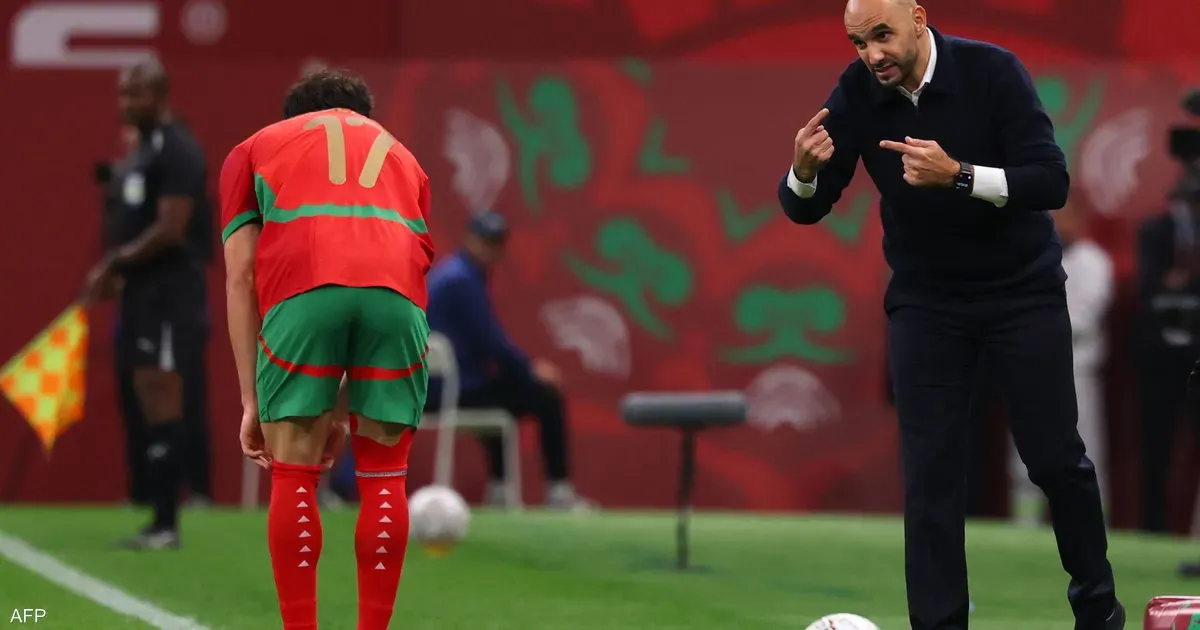
Abdel Rahim Talib, a renowned Moroccan coach, expressed that the growing inclination towards Portuguese coaches reflects their esteemed reputation within the football community. Their ability to deliver results and implement structured training regimens aligns with the aspirations of Moroccan clubs striving for excellence. However, Talib also emphasized that this trend should not overshadow the capabilities of local coaches, many of whom possess extensive knowledge of Moroccan football and have achieved commendable results themselves.
Evaluating Coaching Competence Beyond Nationality
Talib pointed out that the real challenge lies in fostering an environment where coaching talent is evaluated objectively, free from biases related to nationality. He believes that competition should be based on merit and performance rather than preconceived notions about a coach's background. Emphasizing the importance of supporting local talent, Talib advocates for continued investment in Moroccan coaches, ensuring they receive proper training and responsibilities that will empower them to enhance the national football identity and competitiveness.
In a similar vein, sports analyst Majid Khal highlighted that the surge in clubs hiring Portuguese coaches is not coincidental but rather a reflection of the successes achieved by Portuguese football on both the international and African fronts. Portuguese coaches are known for their ability to blend tactical discipline with scientific training methodologies, making them appealing to clubs aiming for immediate results while establishing sustainable sporting projects. Khal warns against the misconception that a coach's nationality inherently determines success, asserting that the key lies in finding the right fit for the club's vision and fostering a professional work environment that allows for growth and success.
Ultimately, the focus should not be solely on hiring Portuguese or any other nationality of coaches. Instead, clubs should prioritize finding coaches who possess a clear vision, leadership qualities, and the capability to develop players and fulfill the club's objectives, regardless of their nationality.
As reported by hespress.com.