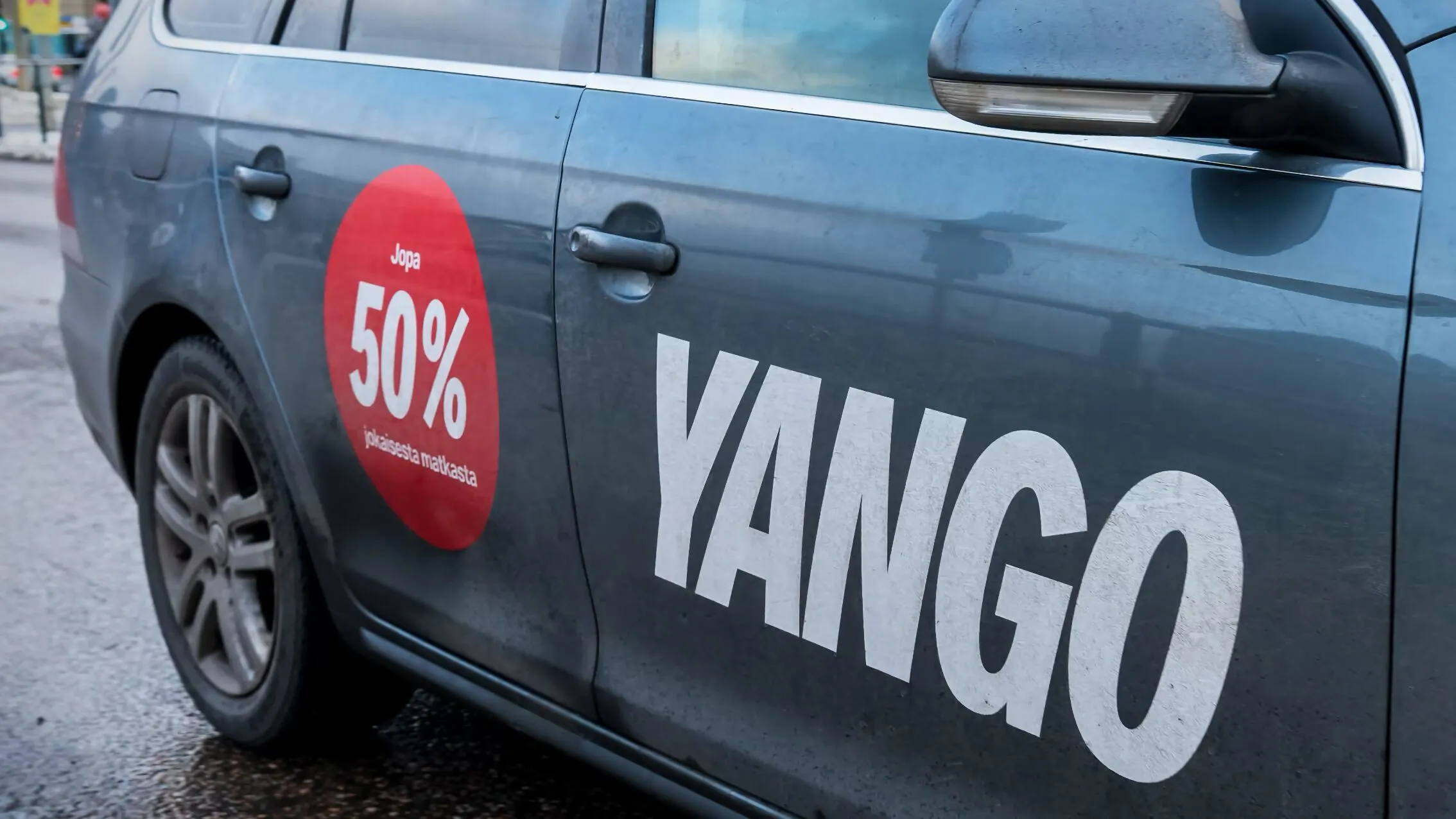

Emerging Challenges in the Moroccan Transport Sector
As Morocco approaches the legislative elections scheduled for September 23, 2026, the transport sector finds itself at the center of a complex economic and regulatory debate, prominently featuring the uncontrolled rise of ride-hailing platforms. These digital solutions, favored by an urban population seeking convenience and immediacy, expose significant legal and social fractures beneath their modern facade. The existing legislative vacuum surrounding these applications not only permits concerning price speculations but also raises critical questions regarding digital sovereignty and personal data protection. This scenario unfolds within a context where the traditional taxi model, reliant on a licensing system, is evidently struggling to keep pace with rapid innovations, as highlighted in the weekly magazine _Challenge_.
The Impact of Uberization on Urban Mobility
The emergence of ride-hailing services in major Moroccan cities such as Casablanca, Rabat, Marrakech, and Tangier has primarily responded to the demand for instant accessibility and comfort, amidst the persistent issues associated with traditional taxis, which are frequently criticized for their refusal to accept certain destinations or for taking unjustified detours. However, as regularly pointed out by the Policy Center for the New South think tank, this transition occurs within an institutional gray area. Lacking a clear legal status that specifically recognizes and regulates this activity, partner drivers face constant precariousness, while ride-hailing platforms operate under business models that are free from the constraints of the formal market. This lack of regulation becomes particularly evident during peak demand times when pricing algorithms engage in unabashed speculation. Field simulations reveal that typical journeys, which might cost only a few dirhams in traditional settings, can see their prices exponentially increase during rush hours, sometimes tripling the initial fare. Additionally, misleading practices abound, such as standard vehicles being substituted for supposed premium offerings.
Economist Mehdi Lahlou notes that this phenomenon reflects the persistence of digital informality, evading the usual safeguards inherent in regulated economies, thus placing consumers in a vulnerable position. Beyond financial concerns, the substantial concentration of data by these operators redefines the parameters of privacy and societal influence. Every geolocation, night ride, and consumption habit feeds servers beyond the direct control of national institutions, heightening the risks of behavioral profiling. Industry stakeholders, such as Hicham Amadi, CEO of Toogo, emphasize the urgent need for data sovereignty, advocating for mandatory hosting and processing within national borders under the supervision of dedicated entities like the National Commission for the Protection of Personal Data, according to law 09-08.
In light of this technological wave, Morocco stands at a critical crossroads. Public authorities can no longer rely on ambiguous tolerances that perpetuate outdated practices while stifling innovation. Recommendations call for courageous and comprehensive reforms: to legalize and structure the activities of transport platforms through equitable criteria related to insurance, taxation, and training, while thoroughly reforming the archaic licensing system. With a new political cycle on the horizon, the urgency now extends beyond mediating corporate conflicts; it necessitates the conception of a genuine public policy for urban mobility that harmonizes digital audacity with effective consumer protection.
As reported by fr.le360.ma.