
Escalating Violence and Drug Trafficking in Southern Spain
In a recent discussion on the Cadena COPE program 'La Linterna', hosted by Rubén Corral, Francisco García, the National Coordinator of Customs Surveillance at CSIF, delved into the alarming rise of organized crime and the increasing operational challenges faced by law enforcement agencies along the Spanish coast. This analysis comes in light of heightened tensions following violent incidents in southern Spain, particularly in the wake of a tragic shooting in El Rocío, Isla Cristina, where two masked gunmen opened fire, resulting in the deaths of three individuals, including a pregnant woman and a minor. The crime has been attributed to ongoing feuds between rival clans, indicating a disturbing escalation in drug-related violence that has profound implications for public safety and security.
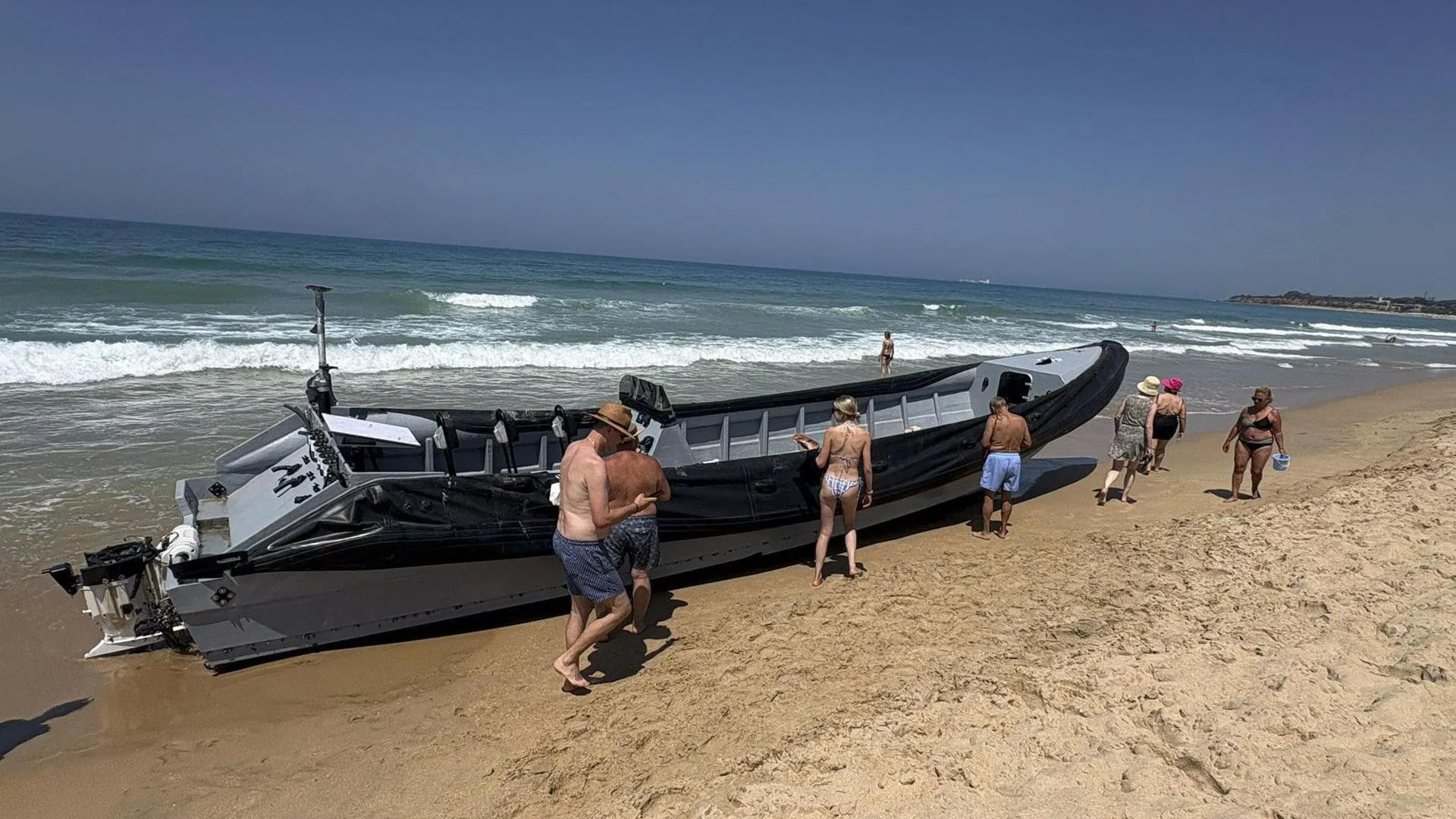
The shooting incident is emblematic of a broader crisis, one that has seen drug trafficking operations become more sophisticated and aggressive. García highlighted how criminal networks have revamped their transport and supply strategies, moving away from traditional methods. Previously, vessels transporting drugs would also carry fuel and provisions; now, they exclusively focus on transporting narcotics, relying on floating supply chains to provide them with necessary resources. This shift not only facilitates drug smuggling but also increases the risks faced by law enforcement, who are often outgunned and outmaneuvered by these well-armed gangs.
A Urgent Need for Enhanced Support and Collaboration
During the program, García voiced serious concerns regarding the lack of support from the Spanish Tax Agency, which has failed to provide non-lethal deterrent equipment despite regulatory approvals four years ago. He emphasized the perilous position of Customs Surveillance agents, who find themselves inadequately equipped to confront armed traffickers. The stark reality is that these agents are often left vulnerable in the line of duty, raising critical questions about the commitment of authorities to ensure their safety and operational effectiveness.
When discussing international collaboration, particularly with Morocco regarding drug trafficking through the Strait of Gibraltar, García expressed skepticism about the efficacy of existing bilateral agreements. He pointed out that the sheer volume of drug shipments leaving Moroccan shores—estimated at around ten tons daily across several boats—demonstrates that the fight against drug trafficking is far from effective. This situation is exacerbated by the increasing social and economic impact of drug trafficking in Spain, which mirrors troubling trends observed in other European countries like Belgium and the Netherlands. García warned that the normalization of drug trafficking within communities poses significant risks for the future, particularly for the youth who may see drug dealing as a viable career path.
As García concluded his remarks, he stressed the urgent need for a comprehensive plan that includes real resources and strategies to combat this escalating threat. The ongoing challenges highlight the necessity for coordinated efforts at local, national, and international levels to address the multifaceted issues surrounding drug trafficking and its societal implications.
As reported by cope.es.