
The Impact of Transparency on National Security
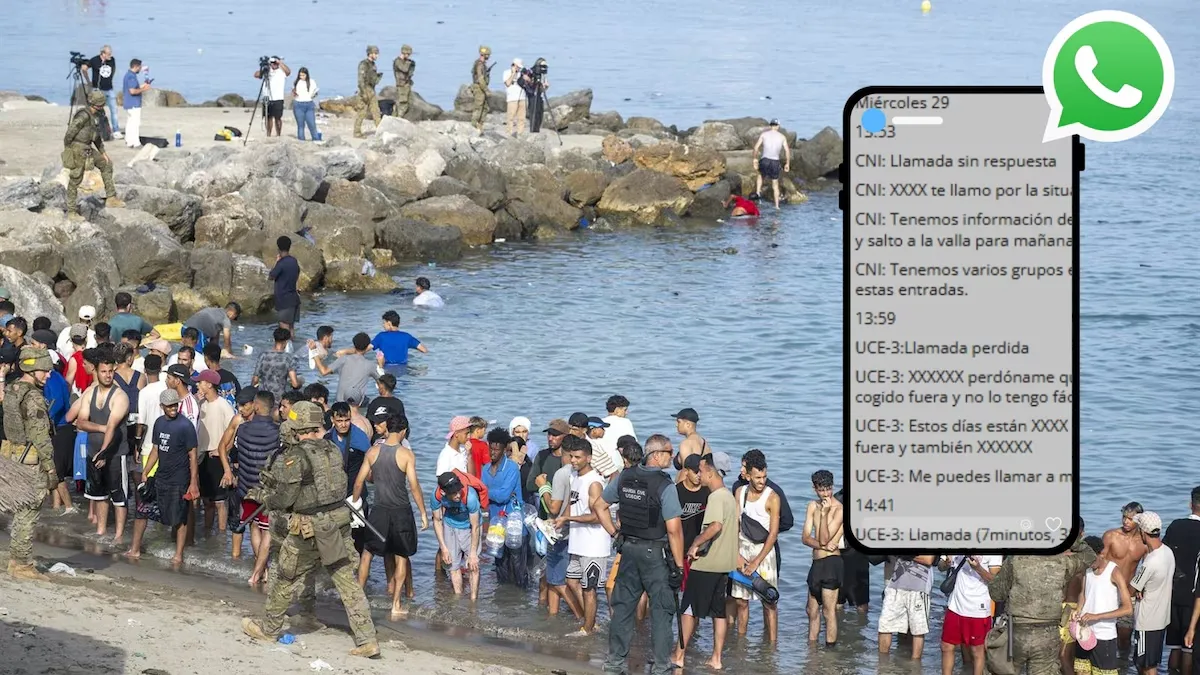
Recent events surrounding the declassification of intelligence documents related to the Ceuta crisis have ignited significant debate among analysts and experts in Spain. The Spanish government, in an effort to ensure transparency, decided to release all relevant reports for public scrutiny. However, this decision raises critical questions about the balance between transparency and the protection of state capabilities, especially given the ongoing judicial procedures and strained diplomatic relations. The academic expert in intelligence, José Luis González Cussac, sheds light on the main risks associated with disclosing sensitive information from intelligence services. According to him, while transparency is essential, it can inadvertently expose vulnerabilities in the communication processes among Spanish governmental bodies, leading to potential security risks.
The Mosaics of Intelligence Information
González Cussac elaborates on a concept known as the "mosaic theory," which posits that isolated pieces of information may seem trivial on their own but gain significance when connected with other data points. This interconnectedness means that other countries could potentially fill in the gaps, drawing from declassified documents to construct a more comprehensive picture of Spain's intelligence capabilities and operational methods. The implications of revealing certain alerts or communications during a crisis, such as that with Morocco, extend beyond the immediate content of the documents. It can reveal the mechanisms of information flow within the administration, the agencies involved, and the level of collaboration with foreign intelligence services.
Furthermore, González Cussac emphasizes that even amidst tense diplomatic relations, channels of communication between security agencies remain open, as seen in the exchange of information between Spain and Morocco regarding shared threats. This ongoing cooperation is vital for managing risks related to the movement of people and potential terrorist threats. However, he cautions that the existence of warnings does not guarantee a definitive outcome; intelligence reports do not serve as crystal balls predicting future events. Instead, they are tools to help identify possible scenarios based on observed patterns, movements, and concentrations of individuals.
As reported by infobae.com.