
Exploring the Impact of Self-Checkout Discounts on Consumers and Retailers
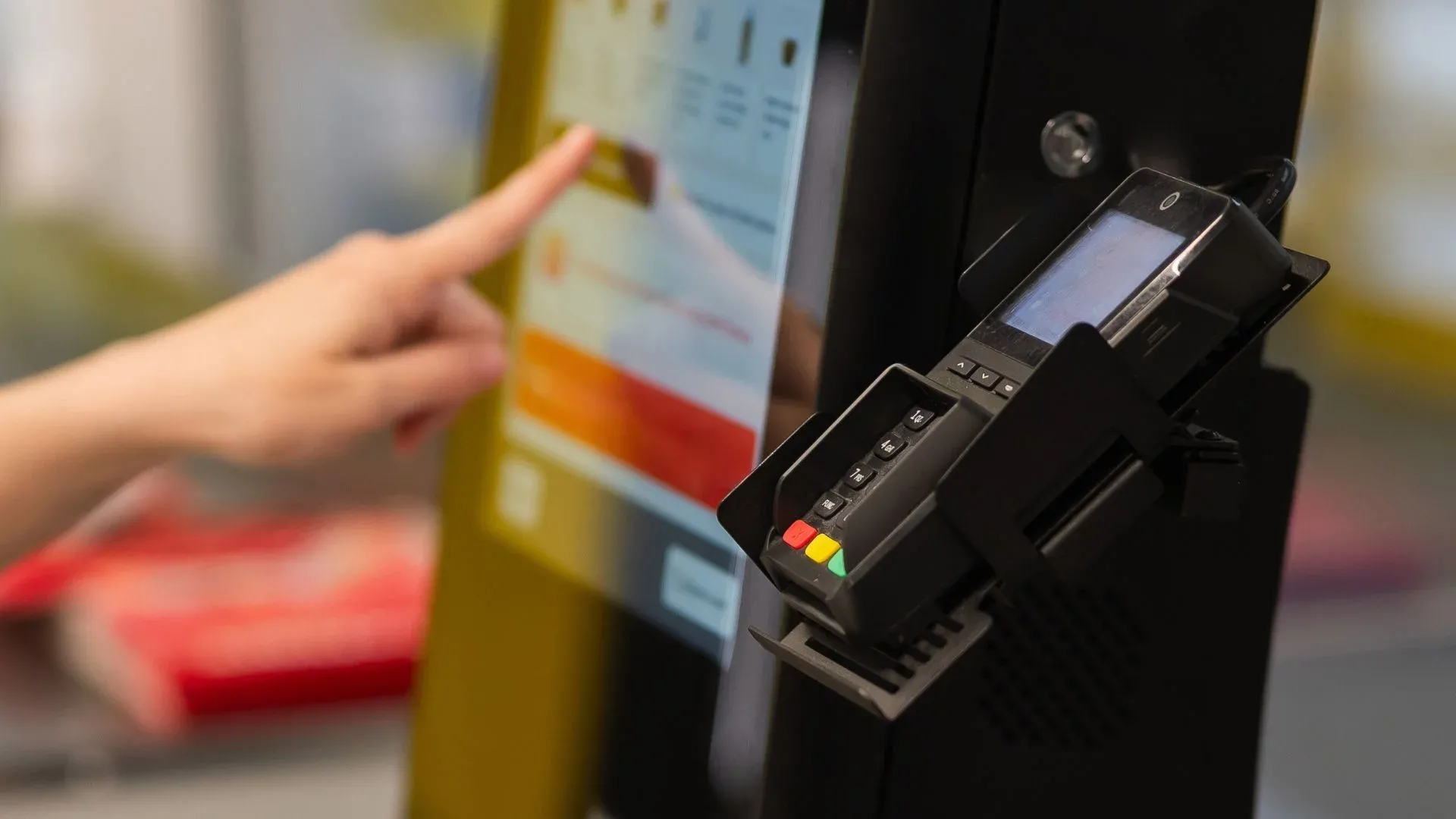
In an intriguing legislative proposal in New York, a 10% discount for customers using self-checkout machines has been introduced. At first glance, this initiative seems like a fair approach to sharing the benefits of automation between retailers and consumers. However, a deeper examination reveals that this discount may be a deceptive promise, overlooking crucial aspects of retail economics and consumer dynamics. According to a report by Forbes, the proposed law is positioned as a response to consumer complaints about performing cashier duties without compensation, as retailers reap savings from automation.
While the idea of providing a discount for self-checkout usage has gained traction in various discussions, it raises significant concerns regarding its execution and implications. The 10% discount, as stated by the Association of Food Industry, does not align with the average net profit margin for food retailers, which stands at a mere 2.1%. This discrepancy suggests that offering such a discount may not be feasible without compensating for the cost through higher product prices. Consequently, it can lead to a situation where the burden of the discount disproportionately affects specific societal groups, particularly those who are less technologically savvy.
The Broader Implications of Self-Checkout Systems
Moreover, the potential ramifications of implementing a self-checkout discount are vast. The reality is that self-checkout systems are not entirely devoid of human interaction. Customers frequently require assistance for various products, including age-restricted items like alcohol and tobacco. This raises questions about whether customers would still qualify for discounts if they needed help from a cashier during their self-checkout experience. If a system malfunctions or requires verification, would that also disqualify customers from benefiting from the proposed discount?
Beyond the immediate economic impact, the legislation also highlights a larger conversation about automation and its role in society. The emphasis on consumer benefits often overshadows the critical issue of job security for cashiers and retail workers. As businesses increasingly adopt automation to reduce operational costs, it is essential to prioritize the protection of employment opportunities over merely distributing potential profits. The prevailing narrative that automation will simply reduce workloads without leading to job losses is increasingly challenged, particularly in light of advancements in artificial intelligence that mimic human cognitive skills.
In conclusion, while the notion of a discount for using self-checkout machines appears beneficial on the surface, it conceals deeper societal and economic challenges. The conversation surrounding automation should focus not only on consumer gains but also on the broader implications for workers and the economy as a whole. As we navigate this evolving landscape, it is crucial to consider who truly benefits from technological advancements and how we can create a fair and inclusive retail environment.
As reported by natemat.pl.