
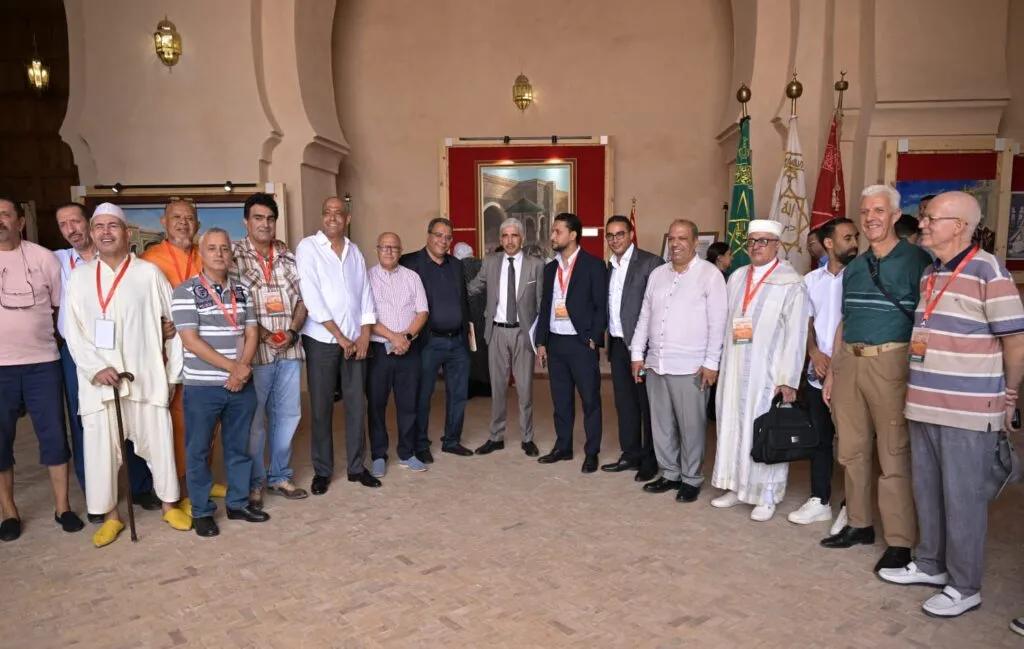
Sufism: A Pillar of Morocco’s Cultural Heritage
Sufism, a mystical branch of Islam, has played an indelible role in shaping Morocco's national identity and cultural landscape. Rooted deeply in the country’s history, Sufism promotes values such as compassion, tolerance, and a sense of community, which resonate across the diverse ethnic and cultural groups within Morocco. The Sufi tradition, with its emphasis on spiritual purity and personal connection to the divine, has fostered a sense of unity among Moroccans, transcending sectarian divides and emphasizing shared values over differences. This spiritual framework has not only enriched the personal lives of individuals but has also contributed to social cohesion by promoting dialogue and understanding among various segments of society.
Sufi Contributions to National Causes
In contemporary Morocco, Sufism continues to assert its influence, particularly in the realm of national causes and social issues. Many Sufi leaders and organizations engage actively in promoting social welfare, education, and cultural preservation. They often serve as mediators in community conflicts, using their respected status to diffuse tensions and encourage peaceful resolutions. Additionally, Sufi orders are involved in charitable activities, addressing pressing issues such as poverty and education, thereby reinforcing their commitment to the well-being of the nation. This ongoing engagement illustrates how Sufism not only fosters spiritual enrichment but also plays a crucial role in addressing the socio-economic challenges facing Morocco today.
As reported by apanews.net.

