
The Ups and Downs of Kiss's Musical Legacy
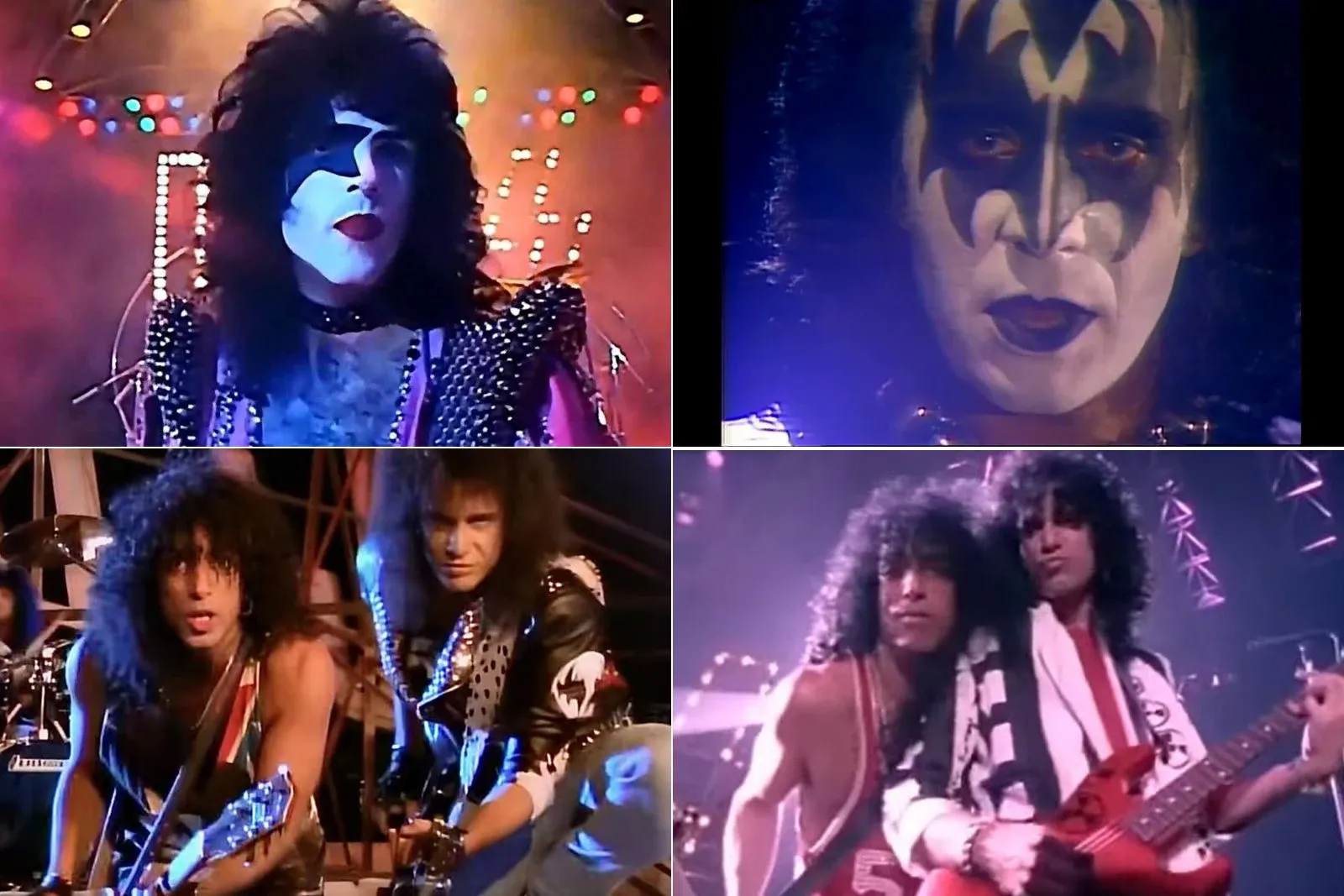
Kiss, the iconic rock band known for their electrifying performances and flamboyant personas, has experienced a tumultuous career marked by both monumental successes and significant missteps. Over the years, band members Paul Stanley and Gene Simmons have often sought to capture the zeitgeist by experimenting with various musical styles, including disco, hair metal, and grunge. Unfortunately, these attempts to chase trends often resulted in albums that failed to resonate with their core fan base, leaving many to wonder if these musical explorations were truly fitting for the band. Despite these challenges, Kiss has shown remarkable resilience, consistently rebounding with albums such as 1982’s Creatures of the Night and 1992’s Revenge, which successfully reminded fans of the essence that made them special.
Four of Kiss's Most Disappointing Albums
The path of rock stardom has not always been smooth for Kiss, particularly when it comes to certain albums that fell short of expectations. Below, we delve into four of the most disappointing albums from their extensive discography.
Dynasty (1979)
After a nearly two-year hiatus following the release of Love Gun, Kiss returned with Dynasty, but the reunion was less than triumphant. The album's production leaned heavily into a pop-oriented sound that alienated many long-time fans. Notably, drummer Peter Criss only performed on one track due to personal issues and was replaced by Anton Fig. While Paul Stanley contributed standout tracks like the disco hit "I Was Made for Lovin' You," the overall songwriting fell short of the band's usual standards. Stanley himself later reflected on the album, stating, "Too sanitized. We lost some edge, and we lost our balls on that."
Music from 'The Elder' (1981)
Following the underwhelming reception of Dynasty, Kiss attempted to pivot to a more ambitious direction with Music from 'The Elder', a concept album that ultimately confused listeners. Featuring a medieval theme and orchestral arrangements, the album strayed far from the heavy rock roots that fans cherished. Despite its better compositions in parts, the album was met with ridicule, and tensions within the band escalated, leading to Ace Frehley's departure. Paul Stanley later expressed his dissatisfaction with the project, lamenting that it felt overly theatrical and disconnected from the band's identity.
Crazy Nights (1987)
In an effort to regain their footing in the rock scene, Kiss released Crazy Nights, which incorporated a heavier use of keyboards and a slick production style. While the album achieved commercial success, including the hit single "Crazy Crazy Nights," it left many fans feeling betrayed, as it strayed from the raw sound that characterized their earlier work. Both Stanley and Simmons expressed disappointment with the album's plastic sound, with Simmons labeling it as one of his least favorite recordings.
Hot in the Shade (1989)
Attempting to return to their rock roots, Kiss released Hot in the Shade, which featured a lengthy tracklist of 15 songs. Unfortunately, the album lacked coherence and memorable material, resulting in a collection that felt bloated and uninspired. While the ballad "Forever" gave the band a Top 10 hit, the album overall was criticized for its lack of direction and the absence of a strong outside producer. Bruce Kulick, the band's guitarist at the time, later commented that the compromise during production led to a lack of clarity in the music.
Despite the setbacks encountered throughout their career, Kiss has managed to adapt and evolve, demonstrating their enduring appeal in the rock music landscape. Each disappointing album has served as a lesson, propelling the band toward their eventual resurgence and allowing them to reclaim their iconic status.
As reported by ultimateclassicrock.com.