
The Royal Theatre of Rabat: A Cultural Icon
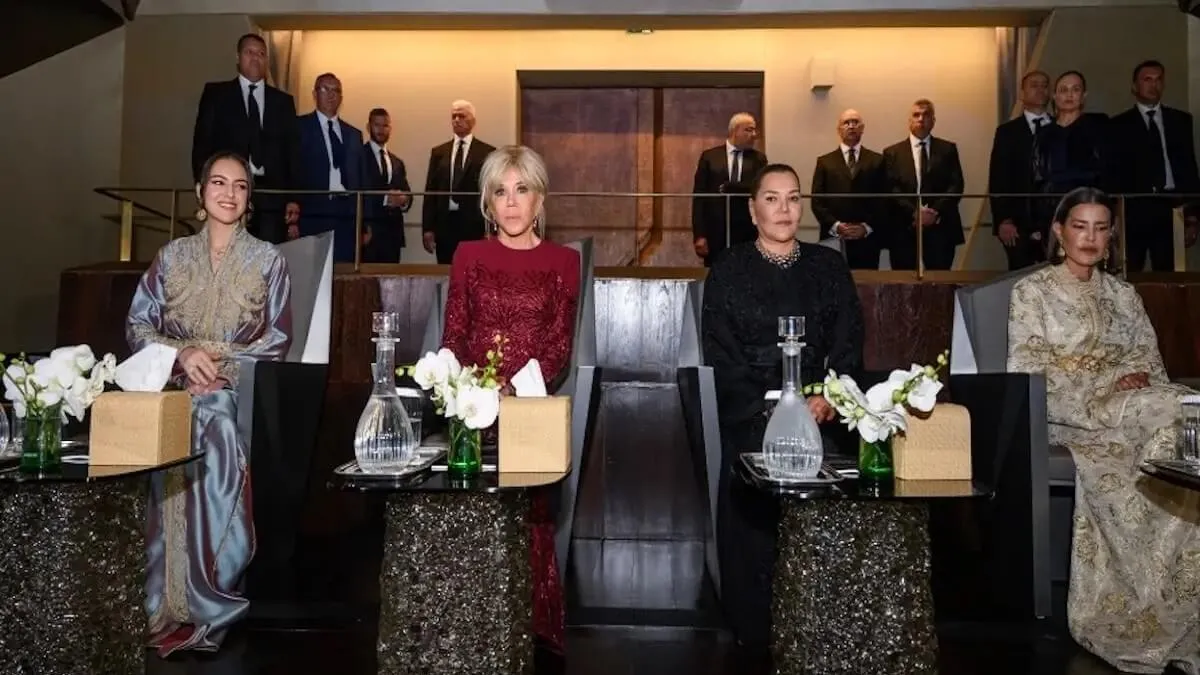
The Royal Theatre of Rabat, a remarkable architectural achievement, recently celebrated its grand opening, graced by the presence of Princesses Lalla Khadija, Lalla Meryem, and Lalla Hasnaa, along with Brigitte Macron, the First Lady of France. This event was not just a ceremonial occasion; it marked the dawn of a new era for Morocco's cultural and artistic landscape. The theatre stands as a testament to Morocco’s commitment to nurturing its artistic expression and enhancing its cultural identity on a global stage.
Attended by an array of artists, cultural luminaries, and dignitaries from various international organizations, the inaugural performance showcased the vibrancy and creativity that the Royal Theatre aims to promote. The gathering included a rich tapestry of performers, from composers to soloists, all coming together to highlight the depth and diversity of Morocco’s artistic scene. This collaborative effort was underscored by a spectacular performance featuring the Moroccan Philharmonic Orchestra and the Royal Symphony Orchestra, bringing together 76 musicians and 40 choristers under the skillful direction of conductor Dina Bensaid.
A Visionary Design for a Modern Era
Designed by the illustrious Iraqi architect Zaha Hadid, the Royal Theatre's structure embodies a futuristic aesthetic, which was further refined by Moroccan architect Omar Alaoui following Hadid's passing. This theatre is not merely a building but a cultural hub that aspires to host a multitude of artistic events, thereby positioning Rabat as a pivotal cultural destination on the international map. The theatre's design integrates modern artistic expressions with the historical heritage of Rabat, ensuring that it resonates with both local and international audiences.
King Mohammed VI has championed cultural development as a cornerstone of Morocco's identity since his reign began, viewing it as a catalyst for economic growth and sustainable development. The Royal Theatre of Rabat is a significant component of the Bouregreg Valley development project, which underscores the monarch's vision for transforming Morocco into a beacon of artistic and cultural renaissance. This initiative is a part of a broader national strategy aimed at revitalizing the urban landscape and fostering a spirit of creativity and innovation within the arts.
As the Royal Theatre opens its doors, it invites the world to experience the richness of Moroccan culture, serving as a platform for artists from various disciplines to thrive and collaborate. With its state-of-the-art facilities and commitment to artistic excellence, the Royal Theatre of Rabat is set to become a cornerstone of Morocco’s cultural renewal and a symbol of its enduring legacy in the arts.
As reported by atalayar.com.