
Morocco's Historical Dilemma in the Sahrawi Dispute
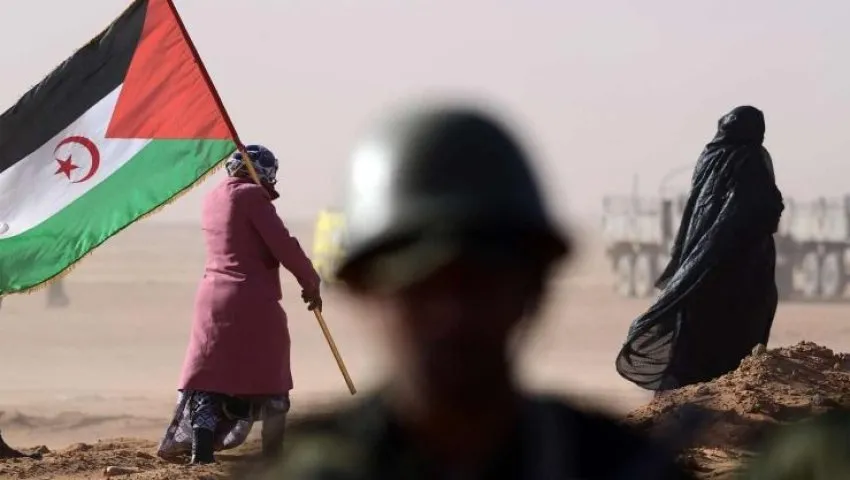
During a recent regional seminar hosted by the Special Committee on Decolonization in Managua, the Moroccan ambassador to the United Nations stressed the importance of removing the Sahrawi issue from the agenda, characterizing its listing as "anachronistic." This statement reflects Morocco's long-standing position regarding the status of Western Sahara, a territory that has been a point of contention since the decolonization process in the region. The ambassador's remarks underscore Morocco's desire to shift international focus away from the historical claims and disputes surrounding Western Sahara, which has been at the center of a prolonged conflict between Morocco and the Sahrawi independence movement, represented by the Polisario Front.
Morocco's position is complicated by its own history, which has shaped the narrative surrounding the Sahrawi question. The conflict dates back to the end of Spanish colonial rule in the mid-20th century, when tensions escalated between Moroccan authorities and the Sahrawi people, who sought independence. As the years progressed, Morocco's insistence on sovereignty over the region has led to a series of diplomatic challenges, particularly within international forums such as the United Nations. The ongoing debate over territorial claims and the rights of the Sahrawi people continues to evoke a strong response from various nations and organizations worldwide.
As Morocco navigates its historical entanglements, the complexity of the Sahrawi issue remains a significant challenge. The ambassador's call to delist the matter from the UN agenda reflects a strategic attempt to redefine the narrative and shift the focus towards what Morocco perceives as more pressing contemporary issues. However, the historical context cannot be easily dismissed, as it is integral to understanding the dynamics at play in this long-standing conflict.
As reported by lesoirdalgerie.com.