
The Unexpected Turn in FIFA Politics
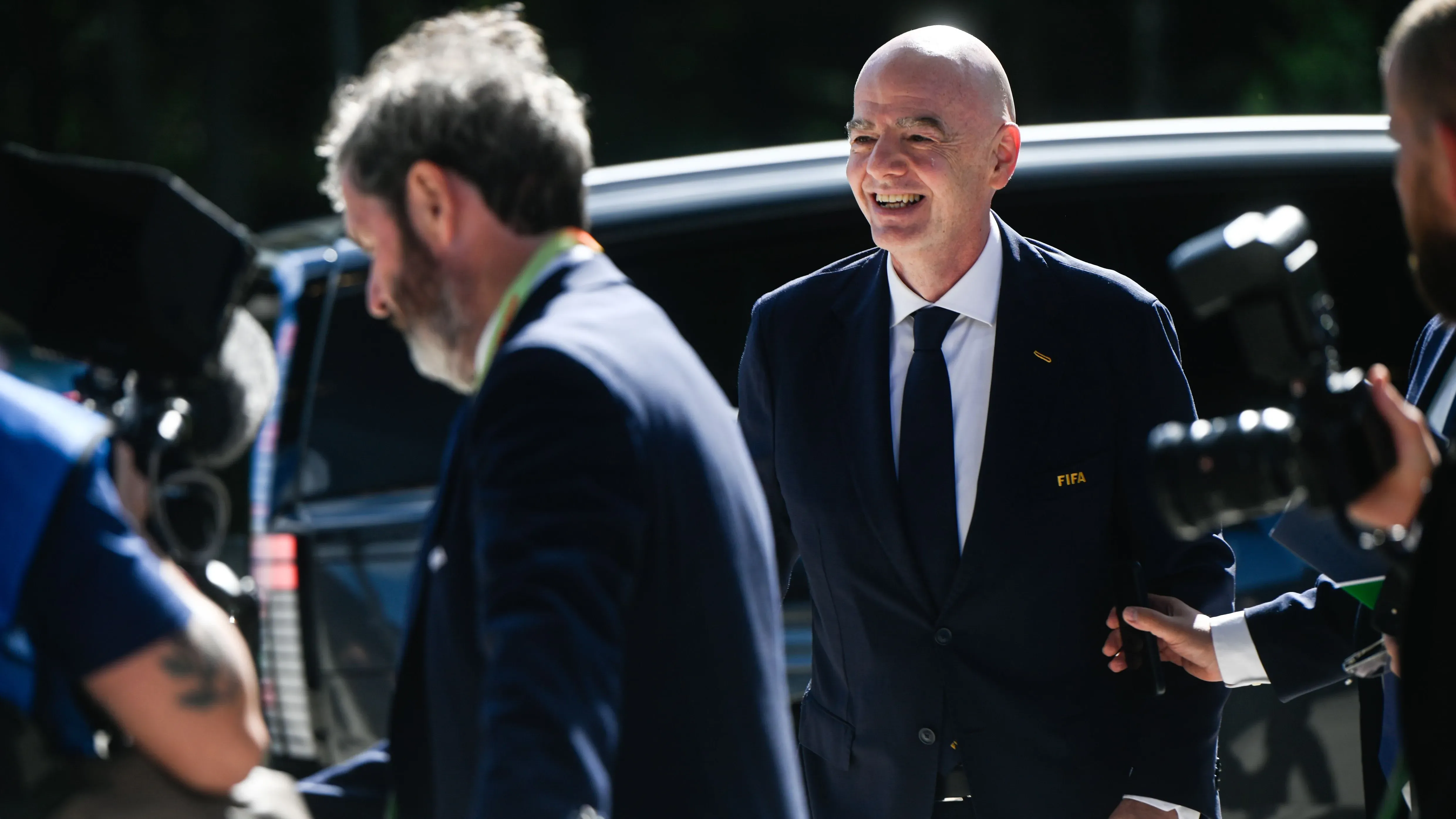
Just three weeks ago, it seemed as though Gianni Infantino's reign as FIFA president was on the verge of collapse. However, behind the closed doors of meetings in Rabat and Nyon, the narrative has dramatically shifted. The leader whom many believed was on his way out has instead revealed a robust network of loyalties cultivated over a decade, a web described by some as "unbreakable", which now secures him enough votes to remain in power. This stunning turnaround has left the European opposition with no choice but to alter their battlefield strategy. Rather than focusing on the outright removal of the most powerful figure in football, the new, more pragmatic, and perilous objective is to curtail the president's extensive powers and limit his absolute control.
The Challenges Facing Infantino's Opponents
According to a source within the global football community familiar with secret discussions among high-ranking officials, "Just three weeks ago, I thought it was all over for him. What I failed to appreciate was the solidity of the relationships he has built over ten years in power, which are near impossible to shatter." Infantino, aged 56, faced the most significant challenge of his career this year when his controversial proposal to sell a 20% stake in FIFA tournaments, including the World Cup, to private investors collapsed. This plan, dubbed a bombshell, sparked widespread outrage, leading UEFA, the Asian Football Confederation, and CONCACAF to spearhead a campaign demanding a change in FIFA leadership. Several European federations, including France, recently withdrew their support for his re-election.
Despite FIFA Secretary General Matthias Grafstrom labeling the events as "a series of unfortunate and disgraceful occurrences", he publicly reaffirmed his full support for Infantino following a crisis meeting in Rabat, signaling a retreat from the immediate crisis. The real power of Infantino lies in FIFA's electoral system, where each of the 211 national federations has one equal vote, meaning that removing the president necessitates a global coalition that far exceeds the 55 votes from UEFA members. This poses a significant risk for his adversaries; failing to defeat the president could inadvertently strengthen his grip on power.
As one source commented, "I believe the course of events has changed. It is now perilous for UEFA to engage in the voting process and not win." To date, no viable challenger has emerged capable of rallying global support ahead of the elections scheduled for March, with the final date for nominations set for November 18. Prominent football figures had considered Nasser Al-Khelaifi, President of Paris Saint-Germain, as a potential candidate to form the necessary continental coalition to defeat Infantino. However, he has completely ruled himself out through a spokesperson, stating he "does not aspire to nor intends to run for FIFA presidency". Another name floated, CONCACAF President Victor Montagliani, has confirmed he will not run without sufficient guarantees of victory. The possibility remains open for an unexpected African or Asian candidate to emerge.
Meanwhile, Infantino continues to enjoy robust support from major blocs outside Europe. In Oceania, Steve Lai, President of the New Caledonia Football Federation, stated, "Most of the Oceania federation presidents have expressed support for Mr. Infantino, and we will back him until the end. When we make a promise and remain loyal to someone, we stay loyal to them until the end." A similar sentiment prevails in Africa, where the majority believe continued support will lead to increased development funding. Morocco, one of the most influential federations on the continent, is among Infantino's public supporters, amidst reports—denied by FIFA—of a promise to host the 2030 World Cup final in Casablanca in exchange for maintaining African backing, a claim that has not been commented on by the Moroccan federation.
Faced with this stalemate, some opponents have begun to explore an alternative strategy that involves restructuring FIFA's management rather than attempting to replace the president. Sources reveal that officials are considering reducing the concentrated powers of the presidency and redistributing them to the general secretariat, alongside tightening oversight of major strategic and commercial decisions. Philippe Diallo, President of the French Football Federation, who has withdrawn confidence from Infantino, stated, "The trust placed in the FIFA president has been broken", adding that the distribution of power has become a topic of discussion within UEFA. He emphasized, "The project cannot be purely European; it must encompass all continents. Our task now is to ensure a program and candidate emerge, and then work to secure their victory." The FIFA presidential elections are set to take place in Rabat, Morocco, on March 18, 2027, in a contest that may shift from an attempt to oust Infantino to a battle to rein him in.
As reported by kooora.com.