
Understanding the Political Implications of the Spanish King's Visit
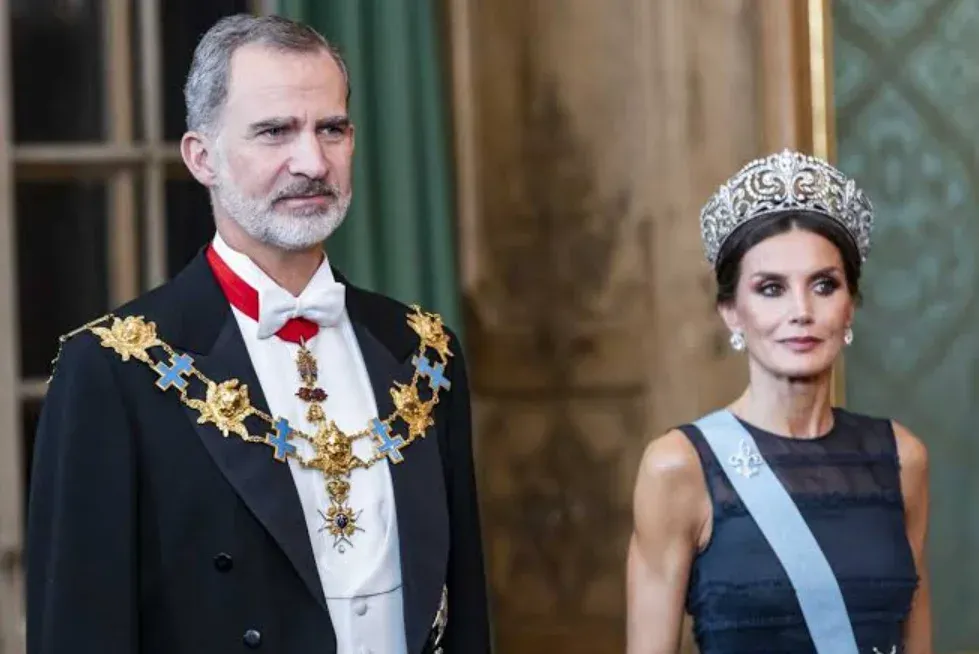
The anticipated visit of King Felipe VI to the Spanish enclaves of Ceuta and Melilla should not merely be perceived as a ceremonial engagement, nor should it be hastily interpreted as a precursor to a new diplomatic crisis with Morocco. This visit carries significant sovereign importance for Spain; the presence of the head of state in these cities enhances the institutional presence of Spain, especially in light of the recent migration crisis that Ceuta experienced in late July. Furthermore, it sends a clear message to the Spanish public: the state is committed to supporting the residents of these enclaves in the face of border crises. However, the most profound interpretation lies within the European context. In his address alongside French President Emmanuel Macron, King Felipe VI described the events in Ceuta as 'unacceptable', linking them to the security of the European Union's external borders. This indicates that Madrid is not only expressing its national interests but is also, to some extent, articulating a European stance on the matter. Therefore, if Europe is part of the equation, it follows that any solution must be both European and Mediterranean, with Morocco positioned at the center of it.
Timing and Internal Pressures Surrounding the Visit
The timing of this visit is indeed sensitive, although it requires further clarification. The Spanish royal palace has indicated that the visit was planned prior to the migration crisis, suggesting that while the crisis may have hastened the visit, it was not the sole catalyst for it. Prime Minister Pedro Sánchez had previously mentioned that the visit would occur 'when conditions are favorable', without specifying an exact date. Moreover, scheduling the visit for October 13 and 14, immediately following Spain's national holiday on October 12, adds a national and symbolic dimension to the event. However, what truly matters is not just the timing but also the aftermath of the visit. The engagement will last two days, but the shared interests between Spain and Morocco will continue to exist and must be safeguarded against the backdrop of current events. The central message that Madrid aims to convey to Morocco through this visit is that Spanish-Moroccan cooperation should not be misconstrued as an invitation to debate the sovereignty of Ceuta and Melilla. Additionally, it underscores the importance of separating the sovereignty dispute from practical cooperation.
As reported by yabiladi.com.