
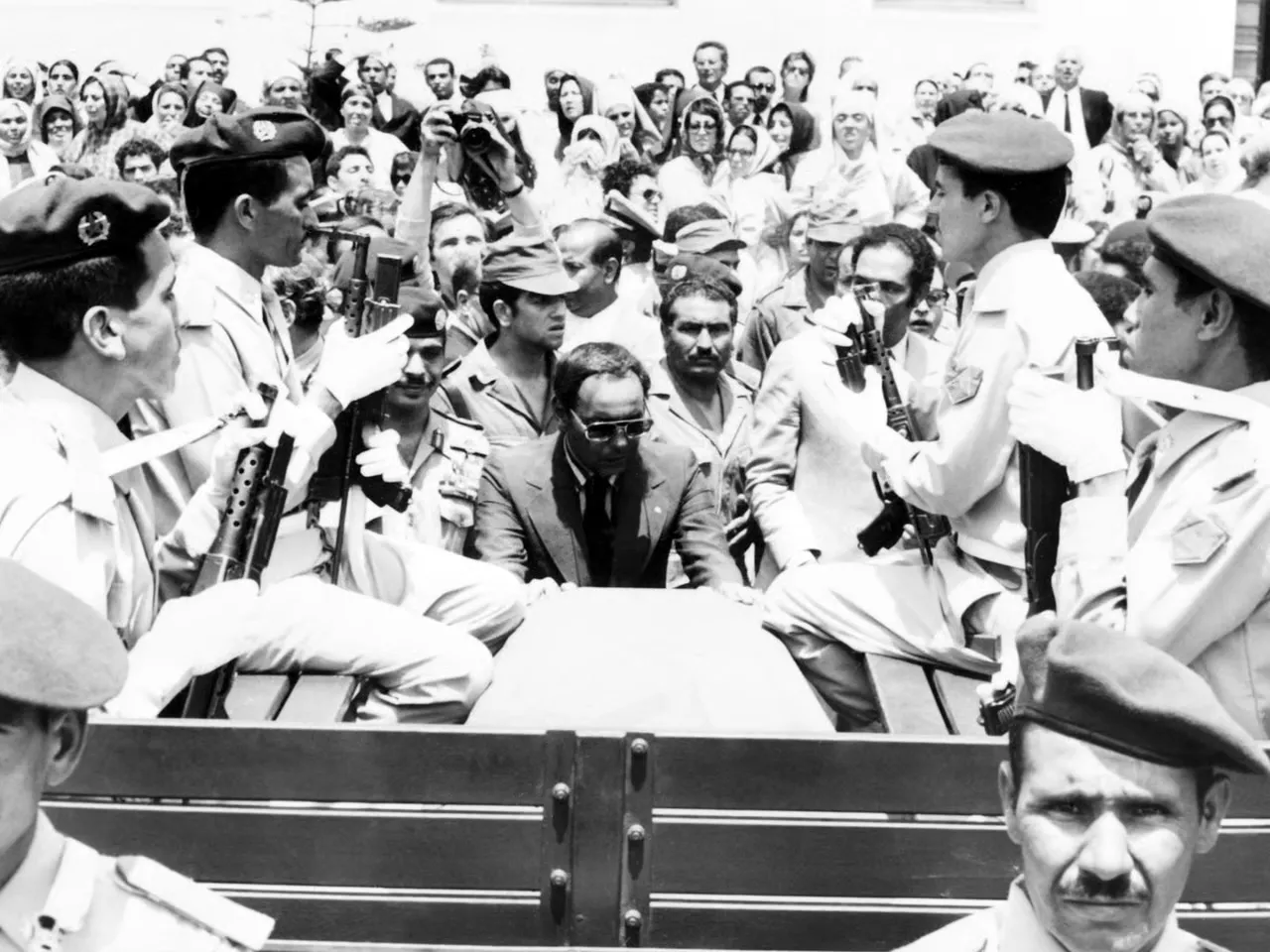

The Skhirat Attack: A Pivotal Moment in Modern Moroccan History
The Skhirat attack, which occurred on July 10, 1971, stands as a significant and traumatic chapter in the annals of Moroccan history. It was on this fateful day that approximately 1,400 young cadets from the Ahermoumou military school launched a violent assault on a royal reception hosted by King Hassan II at his coastal palace in Skhirat, located just south of Rabat. This uprising, orchestrated by their superiors, General Mohamed Medbouh and Colonel M'hamed Ababou, resulted in the tragic loss of around one hundred lives, predominantly guests attending the event. This incident not only highlighted the tensions within the Moroccan military but also triggered a series of political upheavals that would reverberate throughout the nation for years to come.
Azrou: The Training Ground for Moroccan Elites
The College of Azrou, originally established by the French Protectorate as part of a strategy to cultivate a compliant Berber elite, played a critical role in shaping the military and political landscape of Morocco. Intended to produce French-speaking leaders who would serve the colonial administration, the institution unexpectedly became a breeding ground for nationalists and political figures who would challenge colonial rule. Many graduates went on to become influential ministers, governors, judges, and even generals, with some directly involved in the coup attempts of 1971 and 1972. The legacy of the College of Azrou is thus intertwined with Morocco's complicated journey towards independence and the ensuing political dynamics that define the modern state.
Through historical analyses, such as that presented in Mohamed Benhlal's work "Le collège d’Azrou: une élite berbère civile et militaire au Maroc, 1927-1959," as well as firsthand accounts from former students, we gain insights into how this institution not only fulfilled its initial purpose but also inadvertently became a catalyst for political change. The events surrounding the Skhirat attack reveal the intricate connections between education, military power, and political ambition in shaping Morocco's contemporary history.
As reported by jeuneafrique.com.
