
A Mass Migration Driven by Social Media
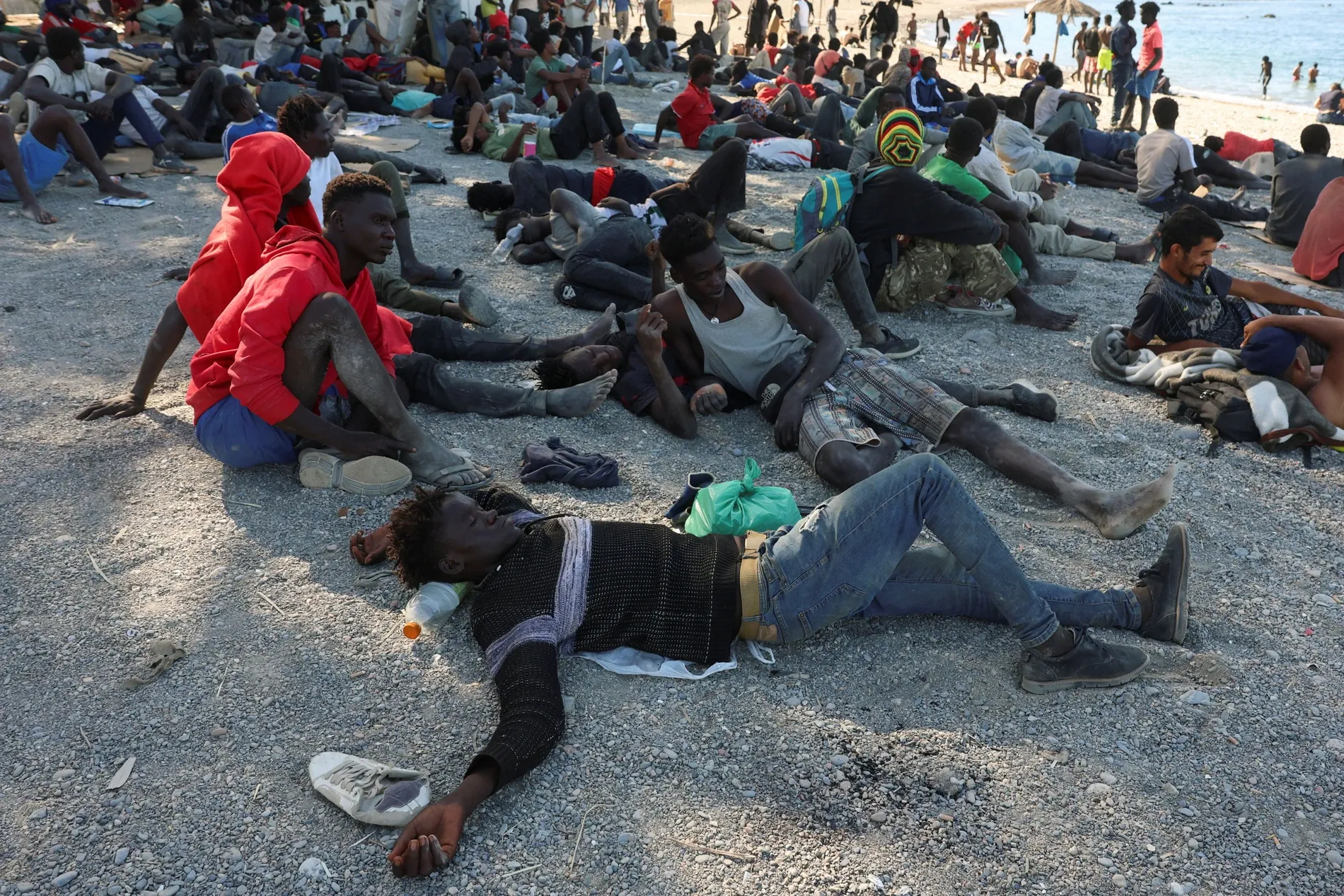
In an unprecedented event, tens of thousands of Moroccan migrants made their way to the Spanish exclave of Ceuta within a mere 24 hours, prompting a flurry of questions regarding the circumstances that led to this mass exodus. On July 30 and 31, approximately 60,000 individuals embarked on a perilous journey from the Moroccan town of Fnideq, believing that reaching the shores of Ceuta would grant them asylum in Spain and, by extension, in the European Union. Tragically, this journey came at a heavy cost, with at least 83 lives lost during the attempt. Within just a couple of days, estimates indicated that around 48,000 of those migrants had returned to Morocco, either voluntarily or under duress. The complex web of responsibility for this migration raises difficult questions: Was the Moroccan government involved? Did Spain fail in its duty to secure its borders? Or are there deeper, more sinister international politics at play? What stands out clearly in this scenario is the undeniable power of social media as a catalyst for such mass movements.
The Role of Social Media in the Ceuta Crisis
The events surrounding the surge towards Ceuta reveal how social media platforms can influence behaviors on a massive scale, leading thousands to risk their lives. Misleading narratives circulated on platforms like Facebook, Instagram, TikTok, and WhatsApp effectively manipulated perceptions about the legal realities surrounding asylum seekers. In the days leading up to the mass migration, groups and videos emerged, simplifying a June ruling by Spain's Supreme Court that stated asylum seekers arriving via sea routes to Ceuta or Melilla cannot be outright denied but are entitled to individual assessments. This legal nuance was misrepresented on social media as an open invitation to swim to Ceuta, with enticing slogans in Arabic such as "the border is open," "the way is clear," and "swim to Ceuta". The term "haraga," which translates to 'those who burn their identification papers,' became synonymous with this movement, signifying desperation and the lengths to which individuals would go to escape their circumstances.
Groups on Facebook and WhatsApp reportedly swelled to include up to 20,000 members, rallying around this misguided interpretation of legal rights. Both Moroccan and Spanish authorities have pointed fingers at human trafficking networks, with some online accounts traced back to Algeria. Videos that surfaced online portrayed the act of crossing the border as a leisure activity, with animations and casual depictions that trivialized the dangers involved. One video even showed young men begging for the use of mobile phones to contact their families back in Morocco, while another captured the moment dozens jumped from a truck, watched by Moroccan police. These clips, laden with ambiguity, nonetheless fueled the migration wave.
Furthermore, the social media momentum did not stop there; it spread across platforms, including Elon Musk's X, where conspiracy theories flourished, particularly those alleging a Jewish conspiracy behind the migration crisis. According to the Antisemitism Research Center, 119 accounts on X disseminated 173 posts to an audience exceeding 100 million, insinuating that the influx of migrants was part of a larger plot. This convergence of narratives—from North African trafficking rings to conspiracy theorists—raises alarms about the potential for future surges. Local news outlet Ceuta Actualidad has already warned of a second mass influx, fueled by the social media rallying cry of "our last chance." The Moroccan authorities estimate that around 40,000 people participated in the surge, while Spanish officials claim the number exceeded 60,000.
Since Thursday morning, reports from the Spanish government indicate that 50,000 individuals have reached Ceuta, many of whom undertook the journey by swimming. The tiny exclave in North Africa is now grappling with an overwhelming influx, and the situation continues to evolve as social media remains a powerful influence.
As reported by faz.net.