
The Spiritual Essence of Flowers: A Florist's Perspective in Morocco
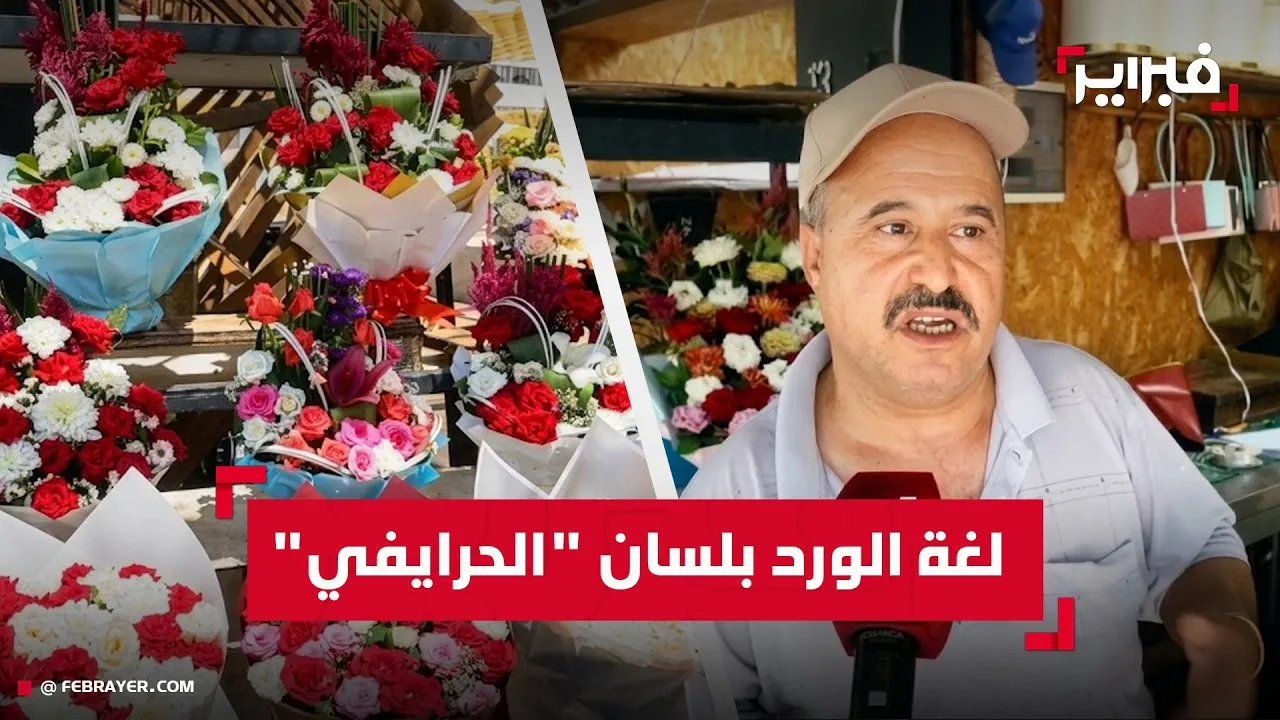
In a heartfelt narrative, Lahcen Belmakarem, a seasoned florist, shares his profound understanding of the floral trade, which transcends mere commerce to embody a universal language of emotion and connection. For Lahcen, flowers are not just commodities; they represent a divine element that accompanies humanity's most significant moments. He emphasizes that flowers are essential in Moroccan culture, integral to celebrations and comfort during times of sorrow. For instance, when a child is born, flowers are offered to parents to share in their joy and blessings. Similarly, when visiting a sick person who may not be able to eat, a bouquet serves as the perfect gift to uplift their spirits and bring joy to their heart.
Flowers are not only significant in personal interactions but are also prominent in various public and ceremonial contexts such as weddings and women’s celebrations, where they add a beautiful touch that completes the event, as their absence would diminish the charm of the occasion. However, the floral market faces numerous challenges, including climatic fluctuations and the complexities of agriculture. Lahcen reveals the intricacies of flower cultivation, where some species may take as long as six months to bloom, while others require just a month. The care for these plants, with their specific needs for fertilizers and medications, is not a simple task.
Furthermore, the pricing in the floral market is versatile; customers can find bouquets starting at 50 dirhams, with larger orders sometimes reaching up to 5000 or 7000 dirhams, depending on the occasion. There is also a competitive threat from artificial flowers, crafted from silk and priced at 300 dirhams each, known for their high quality sourced from countries like Germany and China. Nonetheless, these artificial creations lack the soul of natural blooms.
Preserving a Timeless Craft Amid Modern Challenges
With a palpable sense of nostalgia, Lahcen reflects on the generational shift in traditional crafts, including his own profession. He reminisces about the perseverance and dedication required to master the art of floristry, contrasting his experiences with the current generation, which he feels is increasingly distracted by technology and less inclined to learn hands-on skills that demand patience and focus. He notes that a lack of appreciation for these crafts, combined with the rising cost of living and inadequate legal protections for artisans, has led to a disinterest among the youth in pursuing creative and beautiful trades.
Lahcen concludes with a poignant metaphor likening his craft to that of a bee, stating, "If you do not love your craft, it will not love you back." Despite the myriad challenges he faces, such as rising rents and fluctuating demand, he remains steadfast in his commitment to his flowers, spreading fragrance and beauty as a testament to the cultural richness and humanity of society. He advocates for the encouragement of traditional crafts, emphasizing their importance as expressions of societal elegance and empathy.
As reported by youtube.com.