
Understanding the Energy Dynamics
The commercial relationship between Spain and Morocco encompasses a significant energy dimension, which, although less visible, plays a crucial role in the economic growth model that Morocco has been shaping over the past few decades. This model is characterized by an industrial activity that establishes synergies with Europe. According to data compiled by EFE from various official sources, the electricity that Morocco imported from Spain in 2025 constituted 8% of its annual demand, while 23% of the petroleum products purchased during that period were sourced from Spanish territory. This strategic energy exchange not only underscores the interdependence of the two nations but also highlights the essential role that energy plays in Morocco's economic landscape.
Key Interconnections and Electricity Exchanges
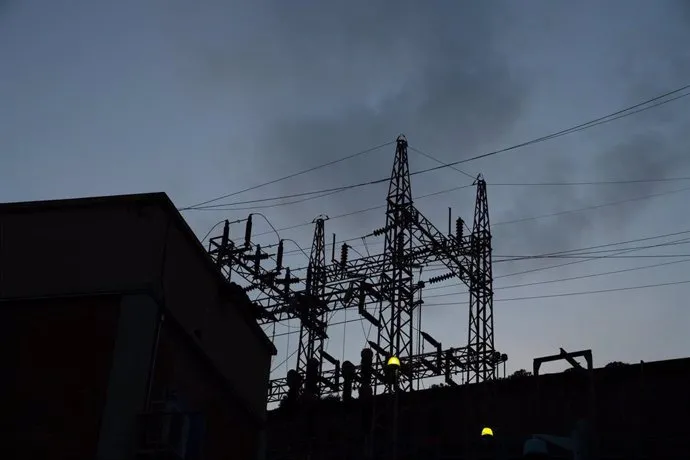
Morocco has its own electricity generation capabilities and does not rely solely on Spain to meet its energy demands. However, the two submarine interconnections that link both countries across the Strait of Gibraltar are vital for the stability of Morocco, as noted by Manuel Antonio Fernández-Villacañas, a professor at EAE Business School. This cooperation began in 1997 with the establishment of a 700 megawatt (MW) line, which was expanded to 1,400 MW in 2006. Between 2007 and 2017, Spanish electricity exports accounted for approximately 15% of Morocco's electricity demand, effectively reducing costs and allowing Morocco to manage the rapid growth of domestic consumption and achieve electrification in rural areas.
The closure of the Maghreb-Europe gas pipeline at the end of 2021, following Algeria's decision not to renew the contract amidst tensions with Morocco over Western Sahara, underscored the significance of these electricity exports in ensuring Morocco's energy supply. In 2025, for the fourth consecutive year, Spain's scheduled electricity exchanges with Morocco were net exports, valued at 3,743 gigawatt-hours (GWh), marking the highest levels since 2017, according to the national electric system operator, Red Eléctrica. The total electricity sent, approximately 3.9 terawatt-hours (TWh), represented 8% of Morocco's demand, which rose to 49 TWh that year, as reported by Morocco's National Office of Electricity and Drinking Water.
The data on physical border exchanges available from Red Eléctrica indicates that the balance between January 1 and July 31, 2026, continues to show Spain as a net exporter (2,600 GWh). Both countries are currently working on a third interconnection to facilitate renewable exchanges. Additionally, Morocco and Portugal have resumed a bilateral project that had been stalled since 2022 and are seeking support from Brussels. These infrastructures not only benefit Morocco but also offer advantages for the Iberian Peninsula, which experienced a significant blackout a year ago originating in Spain, as they help stabilize the frequency and voltage of electrical systems.
Despite efforts to promote electrification and energy transition, petroleum products remain central to Morocco's energy system, accounting for 51% of its energy mix in 2025, according to the Economic, Social, and Environmental Council of Morocco. The estimated consumption was around 12.8 million tons, dominated by diesel, with imports exceeding 13 million tons. Records from the Spanish corporation Cores reveal that Morocco imported over three million tons of petroleum products from Spain in 2025, which constituted 23% of its total imports. Diesel was the most sought-after product, with 21.5% of the diesel imported by Morocco coming from Spain, despite shipments from Spanish refineries declining by 22.4% year-on-year due to the increasing market share of Russian diesel, which has become more affordable because of discounts from exporters and traders since the European Union banned its import following the invasion of Ukraine.
The energy factor distinctly differentiates Spain's relations with Morocco from those with Algeria. Algeria serves as a significant supplier of gas and possesses a clear and easily identifiable leverage tool, as pointed out by the EAE Business School professor, who referenced 2022 when Algeria froze much of its trade with Spain due to its stance on Western Sahara. With relations now normalized, Algeria has reestablished itself as the primary source of natural gas imported by Spain, and Moncloa has encouraged Spanish companies to seize opportunities in this new phase of bilateral relations. In contrast, relations with Morocco are characterized by deeper and more multidimensional ties, encompassing trade and counter-terrorism efforts, making a disconnection "much more difficult and costly for both sides," as Fernández-Villacañas aptly notes.
As reported by valenciaplaza.com.