
The Ceuta Crisis: A Lesson in Geopolitical Dynamics
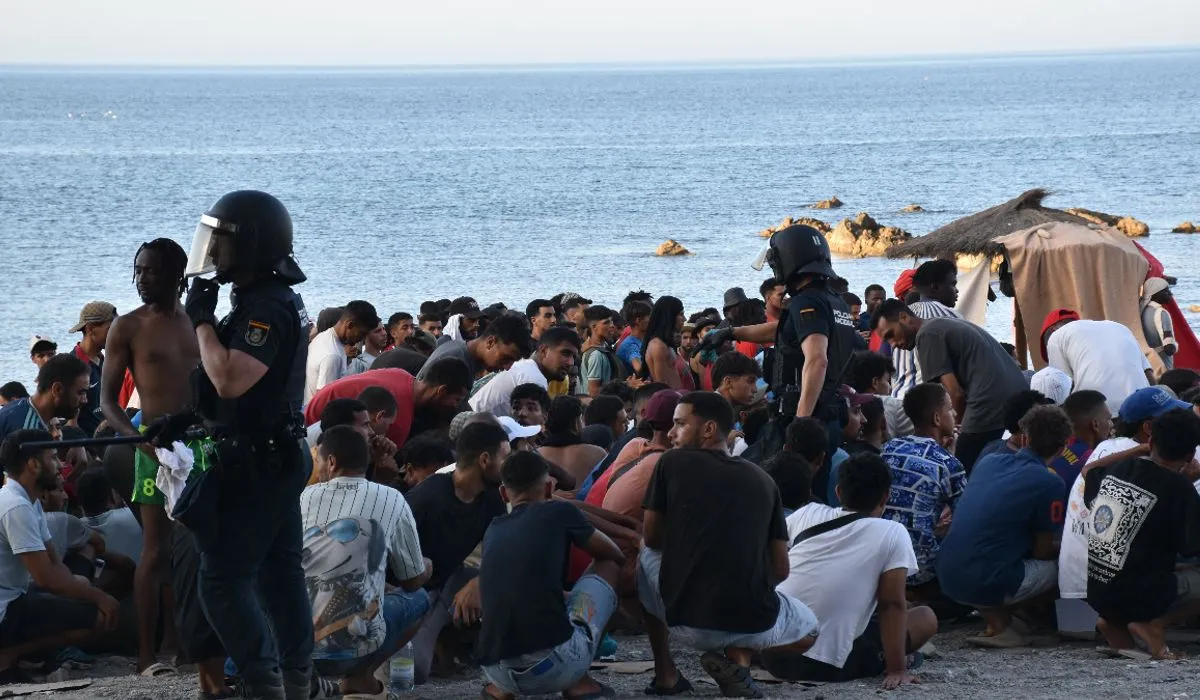
The recent crisis surrounding Ceuta has unveiled a strategic conclusion that transcends the immediate border incidents, illustrating a significant diplomatic reality for Morocco. The North African kingdom appeared to be banking on its strong relationship with the United States and Israel—nurtured over recent years—to provide either explicit backing or at least a passive understanding of its pressure tactics against Spain. However, when the decisive moment arrived, neither Washington nor Jerusalem was willing to support Rabat’s position. This outcome necessitates a deeper understanding of Morocco's political landscape and the broader context in which this escalation occurred.
One of the primary misjudgments regarding Morocco is the tendency to analyze it as a parliamentary democracy comparable to Western liberal democracies. In reality, although Morocco possesses a constitution, a parliament, and multiparty elections, the crucial state decisions, particularly in foreign policy, defense, security, intelligence, and religious affairs, remain firmly under the control of King Mohammed VI and the Makhzen—the intricate political, military, economic, and administrative network that sustains the monarchy. The legitimacy of the regime does not rest solely on political authority; Mohammed VI’s constitutional title of Amir al-Mu’minin, or Commander of the Faithful, underscores the intertwining of political and religious power, further solidifying the monarchy's exceptional institutional weight.
Upcoming Elections and Political Landscape
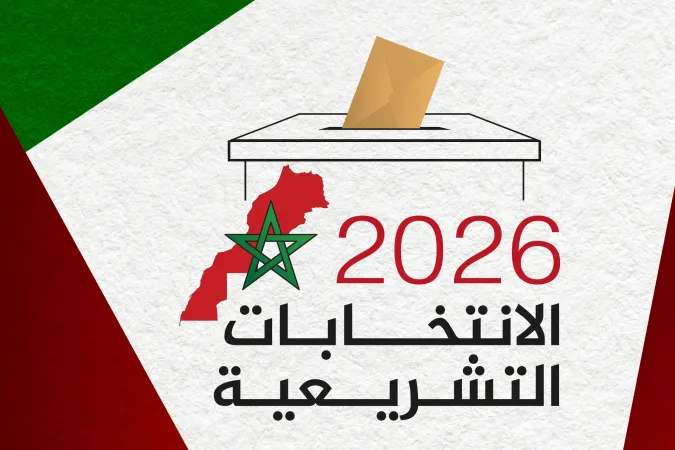
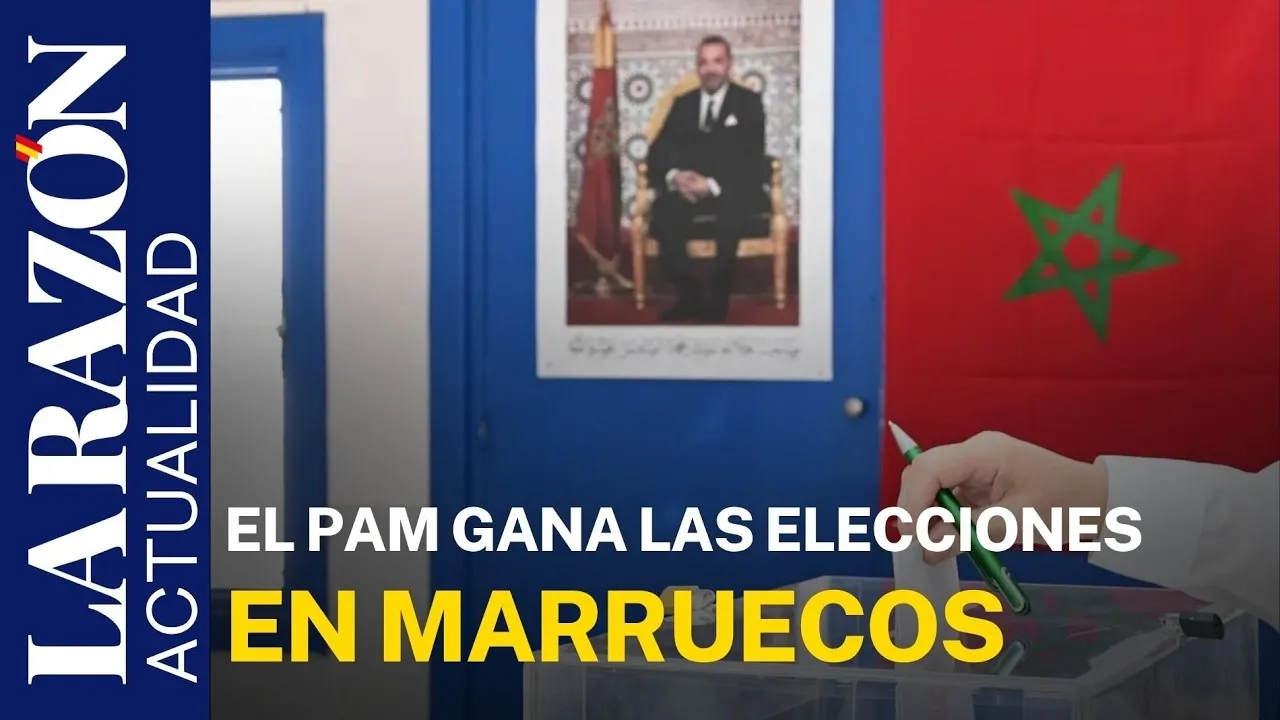
The upcoming legislative elections scheduled for September must be approached with caution. While there is competition among various political parties, these elections will determine who administers the government rather than the strategic direction of the kingdom, which remains an essential prerogative of the monarchy. Nonetheless, the elections are particularly significant, as they indicate a potential resurgence of the Justice and Development Party (PJD), an Islamist party, alongside a strengthening of the conservative nationalist Istiqlal party. Both parties align more closely with the Palestinian cause and are significantly less receptive to Israel than the more establishment-oriented parties. The PJD continues to reject normalization with Israel, while Istiqlal maintains a pro-Palestinian rhetoric, albeit accepting the monarchy's overarching strategic decisions.
In this context, the recent tensions surrounding Ceuta can be viewed through a political lens. The claims over Ceuta and Melilla are among the few issues that can foster consensus across nearly all Moroccan political factions. With elections on the horizon that could prove difficult for the establishment, intensifying pressure on Spain may serve to shift public discourse away from economic and social issues, redirecting it towards national sovereignty and reinforcing cohesion around the monarchy.
This strategic calculation may have been bolstered by a particular interpretation of the international context. In recent years, Rabat has strengthened ties with Washington and forged unprecedented strategic cooperation with Israel in defense, intelligence, and technology. Moreover, there was a perception of a deeply weakened Spanish government, both due to internal political strife and deteriorating relations with key Western allies. From Morocco's perspective, this seemed an opportune moment to escalate pressure on Spain.
However, this interpretation has clear limitations. The United States may have significant differences with the Sánchez government, yet its strategic interests are far more enduring than any temporary political situation. The stability of the Strait of Gibraltar, the security of NATO's southern flank, and the utilization of Spanish bases remain fundamental priorities for Washington. No U.S. administration has any interest in fostering a permanent crisis in one of the world's most critical maritime corridors.
Israel’s approach mirrors this sentiment. While cooperation with Morocco stems from genuine strategic interests and will likely continue to develop, Israel is acutely aware of Morocco's political and social realities. Surveys from Arab Barometer reveal that Morocco ranks among the Arab nations with the least popular support for normalization with Israel. Following the events of October 7, 2023, only about 13% of Moroccans supported maintaining diplomatic relations with Israel. The gap between the monarchy's policy and public opinion is vast.
Significantly, during the Ceuta crisis, both Washington and Jerusalem refrained from officially endorsing Morocco's positions. Beyond isolated statements or comments from political actors without decision-making power, no institutional support for Rabat's strategy was forthcoming. It is reasonable to conclude that Moroccan diplomacy made considerable efforts to secure a more favorable stance from its two main strategic partners, yet that support never materialized. This absence likely communicates far more than any official statement could convey.
There exists a deeper explanation for this phenomenon. While the relationship with Morocco’s monarchy is seen as sufficiently solid today, both the Trump administration and the Israeli strategic establishment appear to place increasing importance on preserving the option of rebuilding an excellent relationship with a future Spanish government. The current confrontation with Sánchez’s administration may be circumstantial; however, Spain's geopolitical significance is permanent. Neither Washington nor Jerusalem is willing to jeopardize that relationship over an issue like Ceuta.
The crisis also offers a lesson for Spain: Morocco is highly dependent on the European Union. Approximately two-thirds of its exports are directed towards the European market, and a significant portion of its investment, financing, and growth hinges on privileged access to the EU economy. This dependency represents a powerful lever of influence that Spain has scarcely utilized. Instead of framing the pressure surrounding Ceuta and Melilla as a wholly European issue, Madrid has largely allowed the crisis to be perceived as a bilateral problem.
Nevertheless, a clearer idea is beginning to take shape in Brussels: the pressure on Ceuta and Melilla no longer solely affects Spain. It impacts the external borders of the European Union, common migration policy, and the stability of the western Mediterranean. The sooner this reality is acknowledged, the greater the European capacity will be to deter future crises. Ultimately, the recent escalation leads to a far-reaching strategic conclusion: Morocco has discovered that its excellent relationship with the United States and Israel does not equate to a blank check. Washington and Jerusalem distinctly differentiate between cooperating with the Alawite monarchy and endorsing initiatives that could destabilize the western Mediterranean or harm relations with Spain. This distinction will likely serve as one of the key geopolitical lessons derived from the Ceuta crisis.
As reported by vozpopuli.com.