
The Nightlife and Its Challenges
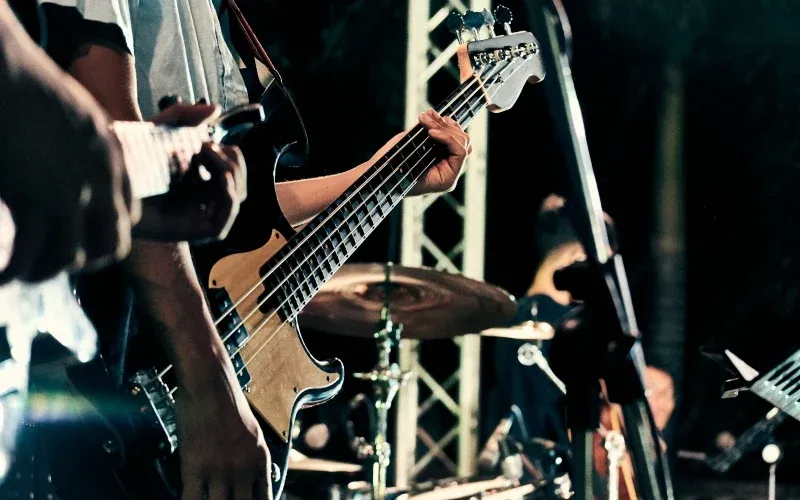
As the sun sets over Casablanca, the vibrant nightlife begins to awaken, yet the reality for many of its musicians is far from glamorous. On a typical Tuesday evening, the sounds of clinking beer mugs and lively conversations fill an old brasserie in the heart of the city. Here, 28-year-old musician Walid Rakik prepares for his performance, sharing the spotlight with a young darbouka player. Despite being the headliner, their compensation relies solely on tips, a testament to the precarious nature of their profession. After completing his first set, Rakik hastily transitions to another venue, juggling multiple gigs in a bid to sustain his livelihood. This duality of existence—where musicians must often take on additional jobs to support their passion—reflects a broader trend among artists in Casablanca, who find themselves navigating a harsh economic landscape while pursuing their creative endeavors.
A Rich Cultural Landscape with Uncertain Futures
Casablanca's music scene has a rich historical tapestry that traces back to the early 20th century, when colonial influences shaped its nightlife. As the city developed, venues such as Club 84 and Balcon 33 emerged, providing local talents a platform to showcase their skills across genres like jazz, rock, and traditional Moroccan music. However, as the nightlife evolved, so did the expectations placed on musicians. Today's performers are required to possess extensive repertoires, capable of switching between genres with ease, as they cater to a local audience that appreciates the nuances of live music. Yet, despite the growing number of venues, the industry remains fraught with challenges, including inconsistent pay structures and a reliance on tips, which can lead to financial instability for many artists. The introduction of new venues has increased opportunities, but it has also intensified competition, often placing musicians in a precarious position where they must continually prove their worth. Some musicians, like Yassine Filali, have sought to empower their peers through initiatives aimed at securing better working conditions and fostering a supportive community. As Casablanca's music scene continues to flourish, the need for sustainable practices and fair compensation becomes increasingly urgent, ensuring that the artists who breathe life into this vibrant city are not left behind.
As reported by goodmenproject.com.