
The Complex Reality of Returning to Morocco
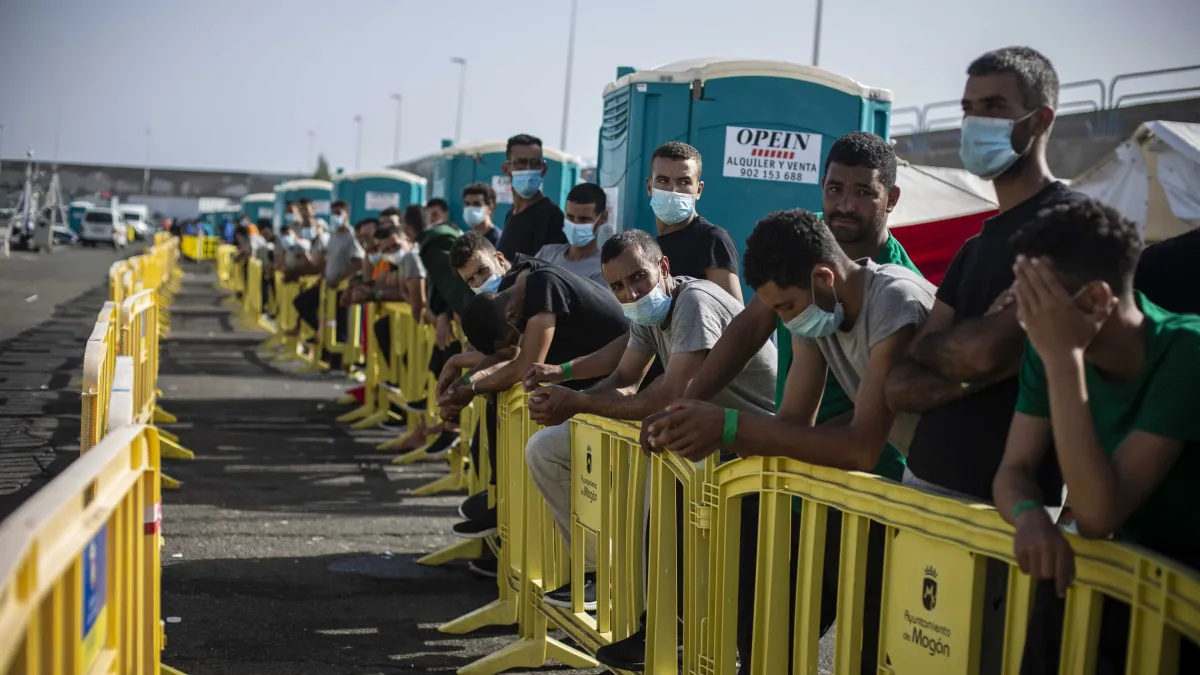
The experience of Moroccan migrants returning home from abroad is fraught with challenges, encompassing social stigma, family rejection, and feelings of failure. Each year, approximately 10,000 Moroccan citizens are repatriated, either forcibly from Europe or compelled to return due to a lack of regularization. Yet, the journey back does not merely conclude upon crossing the border; instead, it initiates a new phase of accountability to their communities. Once back in Morocco, returnees are subjected to the scrutinizing gaze of their families and neighbors, who assess and judge them based on their financial status and societal standing. The International Organization for Migration (IOM) underscores that the stigma associated with returning migrants and the resultant social exclusion create significant barriers to their reintegration into society.
Upon returning, these individuals struggle to re-establish their roles within their family and community, often faced with the daunting task of explaining their absence and the reasons for their return. Research conducted by the Organisation for Economic Co-operation and Development (OECD) reveals that returnees often find themselves in a phase of justification, trying to rationalize their return to family and friends while grappling with their perceived failures. In many migration contexts, families may have invested in the migrant’s departure, anticipating remittances and a return laden with material success. This expectation starkly contrasts with the reality faced by many forced returnees, who often arrive empty-handed and without the anticipated resources, leading to deep feelings of shame.
The Concept of Hadhia and Its Implications
This cultural context gives rise to the term "hadhia," which translates to "gift" in Moroccan Arabic. This concept is emblematic of the expectations placed upon a successful migrant: to send money, assist the family, bring back gifts, and contribute to household improvements and educational expenses. The presence of gifts serves as tangible proof of a successful migration journey. Conversely, if a migrant returns empty-handed, the absence of such offerings conveys a narrative of failure.
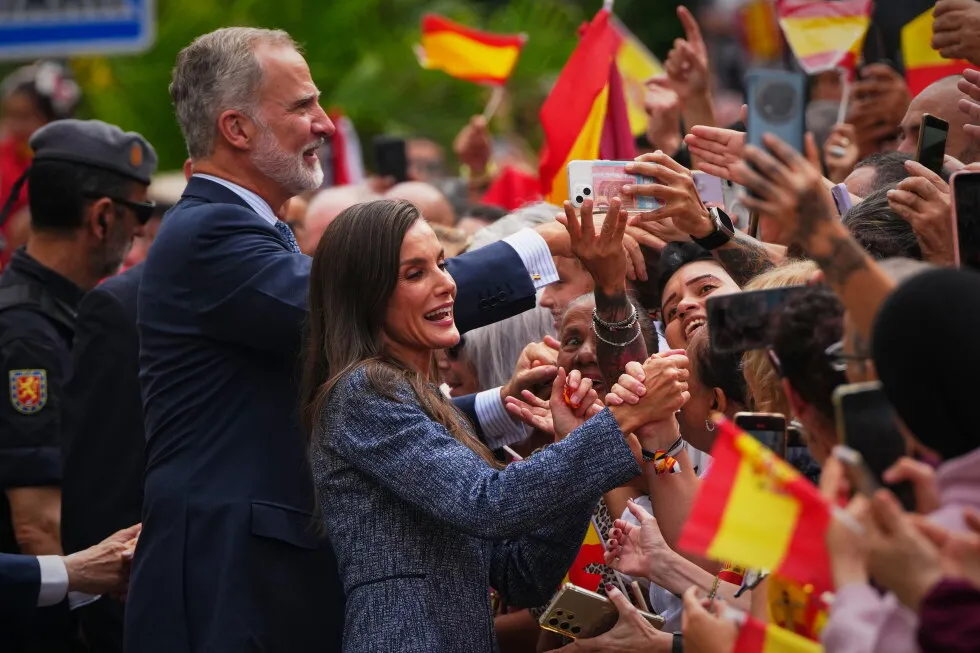
Take, for instance, the story of Bader Oumina, a 27-year-old who made the perilous journey to the Canary Islands and eventually built a new life in Spain. Upon his return to his hometown, he was celebrated as a hero, welcomed with festivities that mirrored a wedding celebration, signifying the pride of his community in his accomplishments. However, this narrative changes dramatically for those who are forcibly returned. Many face a multidimensional vulnerability exacerbated by an institutional void and the absence of public policies designed to support them. Despite being Moroccan citizens, these individuals often find themselves unrecognized by public institutions, leaving them without the necessary resources to reintegrate effectively.
Organizations like CEFA emphasize the importance of addressing the unique challenges faced by returnees. Their work highlights that returning home does not equate to resuming a previous life. Many returnees express a deep desire to conceal their deportation from their families, fearing that the financial investments made for their migration will transform their return into a perceived betrayal.
In the face of such adversity, returnees navigate a harsh reality where their reintegration is met with skepticism rather than support. The words of journalist Hicham Houdaifa resonate deeply, as he describes the crowded living conditions where returning migrants are often seen as intruders rather than welcomed family members. This lack of acceptance leads to a vicious cycle of social and administrative challenges, further isolating returnees and complicating their attempts to reintegrate into society. Furthermore, women returning from abroad face additional vulnerabilities, often confronting societal resistance and confinement within the domestic sphere.
Despite these struggles, many returnees consider migrating again, motivated not solely by economic factors but also by the desire for better healthcare, the liberating anonymity of life abroad, and the emotional ties to family members left behind. The complexities surrounding the return migration experience highlight the urgent need for policies that address the specific needs of returnees and facilitate their reintegration into Moroccan society.
As reported by publico.es.