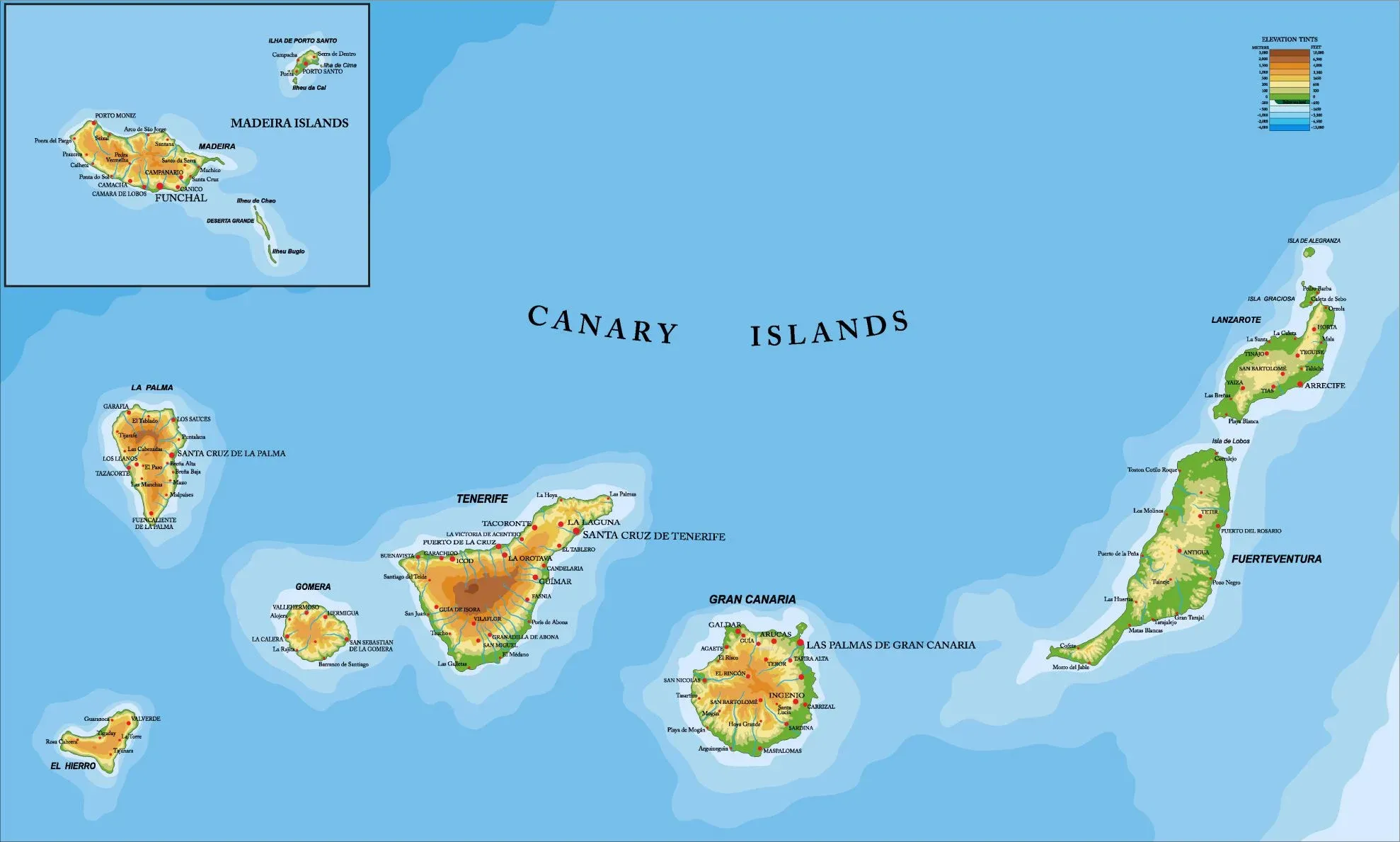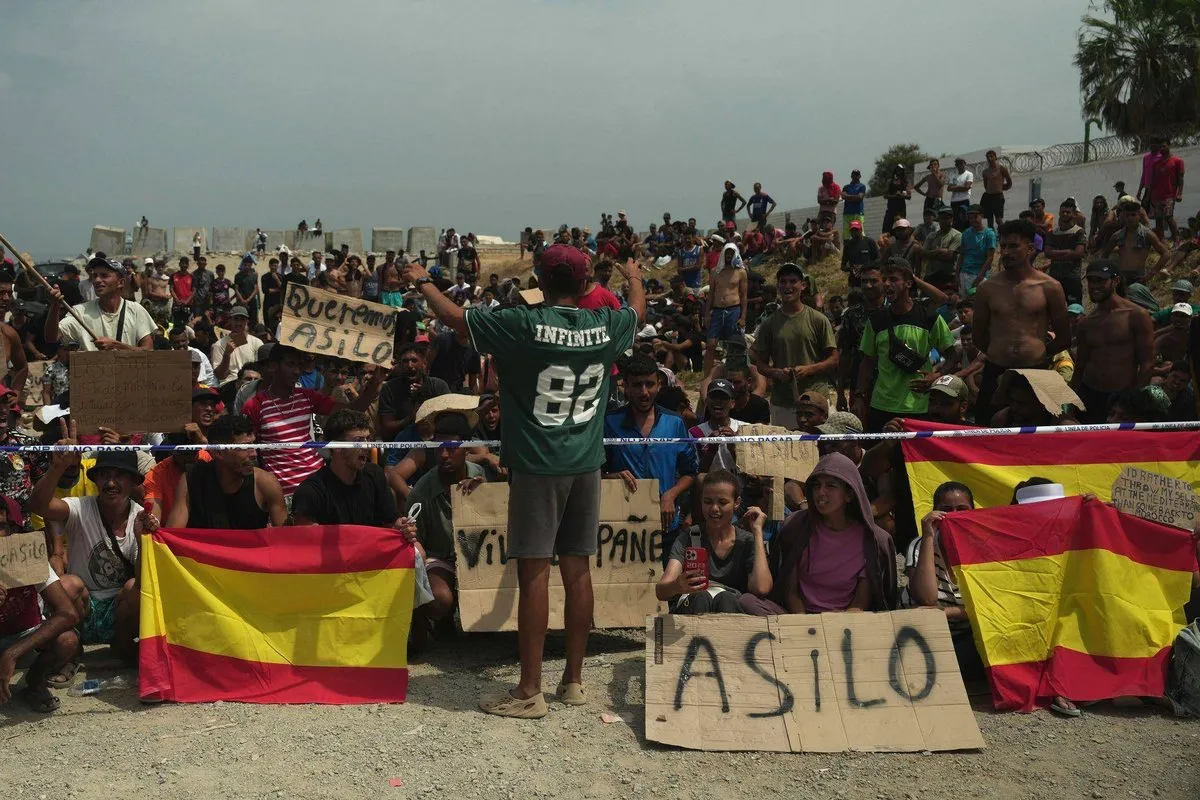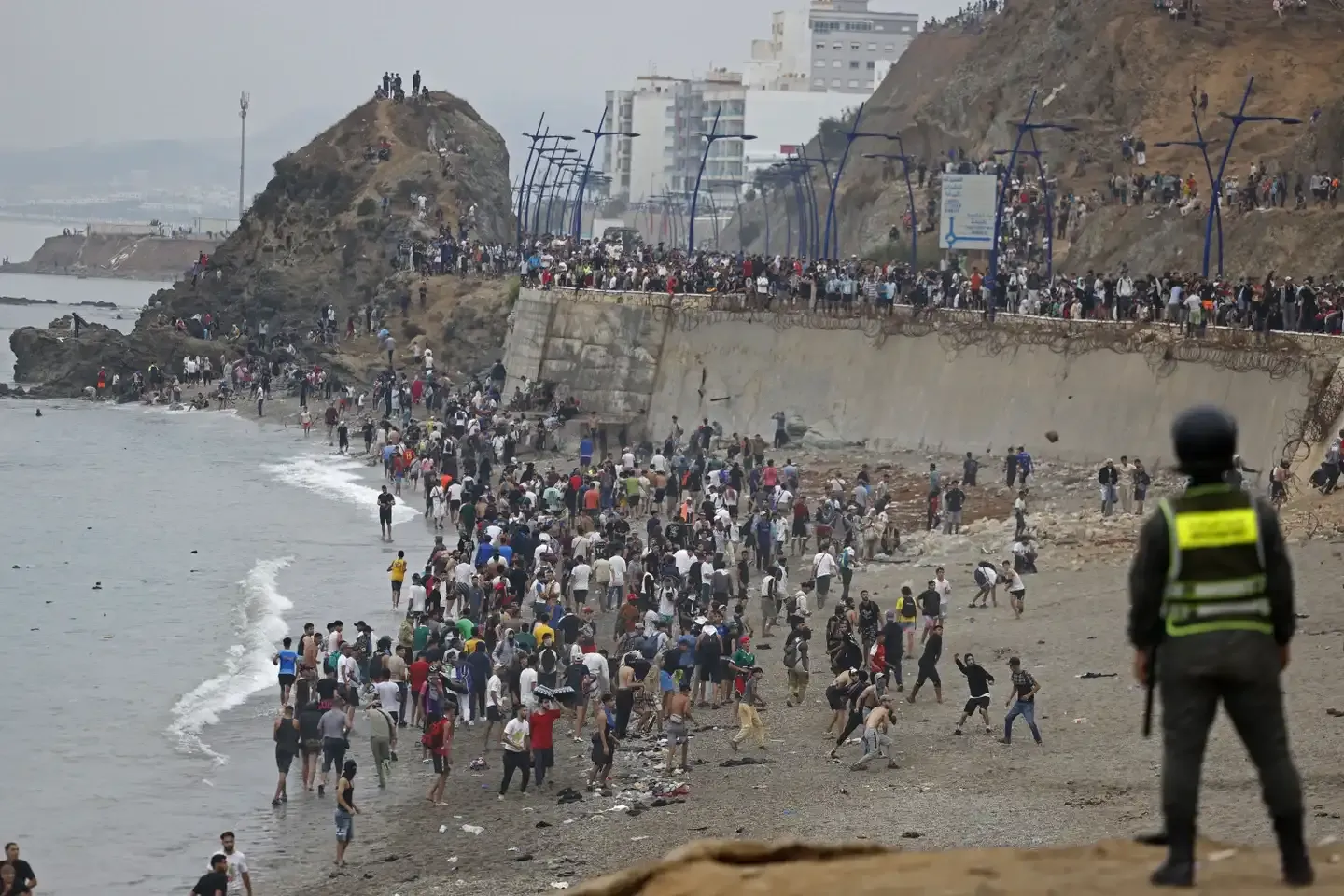

At the close of July, a significant wave of youth attempted to swim from northern Morocco to the Spanish enclave of Ceuta, as reported by Le Monde Afrique. This alarming migration trend underscores the stark disparity between Morocco's macroeconomic achievements and the harsh realities faced by its young population in terms of employment, housing, and social mobility. The testimonies from those involved reveal a troubling narrative where, despite the nation's apparent economic growth, many young people find themselves trapped in a cycle of dependency and despair.
In the town of Fnideq, which directly faces Ceuta, the individuals seeking to leave are not merely unskilled laborers. Many are educated, have jobs, and even have families, yet they struggle to achieve financial independence. For these young Moroccans, the Spanish enclave symbolizes more than just a destination; it represents a desperate escape from what they perceive as a hopeless situation.
The story of Othman, a 27-year-old with a master’s degree in economics and finance, exemplifies this plight. After securing a job at a call center in Casablanca that paid him 4,000 dirhams a month, he quickly discovered that after paying his rent, he had little left for his living expenses. This led him to move back in with his parents in Fnideq, where he settled for a job as a waiter earning just 3,500 dirhams per month. Despite his proficiency in three languages, Othman found himself reliant on his family and unable to envision a future where he could establish his own household. His frustration peaked when he saw others heading towards the Ceuta border, prompting him to leave his job and join the migration attempt, as detailed by the French publication.
A report from the World Bank, referenced by Le Monde Afrique, reveals that over 43% of Moroccan university graduates aged 25 to 34 are employed in positions that do not match their qualifications. This phenomenon of underemployment breeds a profound sense of hopelessness, particularly among those who have invested years in education, seeking better prospects.
Economic Growth vs. Youth Disillusionment
Despite the persistent economic growth indicators in Morocco, the benefits are not evenly distributed across its population. As noted by Jeune Afrique, the economy is expected to grow by 4.9% by 2025, with investments surging by 16.3% and foreign direct investment increasing by a staggering 74.3%. Tourism figures are also promising, with nearly 20 million visitors reported. Furthermore, inflation has been curbed to just 0.8%, and the budget deficit has stabilized at 3.5% of the gross domestic product. The industrial sector continues to evolve, particularly in areas focused on exports.
However, these impressive statistics do not translate into enhanced living conditions for the broader population. Jeune Afrique emphasizes the inadequacy of job creation, the challenges faced by small and medium enterprises, and the limited linkage between foreign investments and the local economy. The differences in economic opportunities are stark, especially in regions far removed from the primary industrial and tourist centers, contributing to a youth unemployment rate that has reached a staggering 37.2%, according to figures from the Pan-African magazine.
The emergence of the GenZ212 movement in the fall of 2025, which called for improvements in employment, health, and education, encapsulates the frustrations of a generation that feels the rewards of economic growth are not being distributed fairly.
The Complexities of Migration and Territorial Disputes
The migration attempts at Fnideq also bring to light the geopolitical issues surrounding Ceuta and Melilla. The Moroccan media outlet Le360 describes these enclaves as Spanish territories within Morocco's claims, suggesting that their status perpetuates ongoing security tensions in the area. Moreover, it has been reported that the majority of individuals attempting to cross the border are not solely Moroccan; sources suggest that 60% are Algerian, 35% Moroccan, and 5% from sub-Saharan Africa, although this distribution remains unverified by independent data.
Beyond the pressing issues of migration and territorial disputes, many Moroccan outlets emphasize the need for a comprehensive approach to improving economic and social conditions. In an editorial, Hespress calls for prioritizing youth as key beneficiaries of national transformation efforts, focusing on employment, quality education, vocational training, entrepreneurship, and social mobility. Furthermore, it stresses the necessity of addressing regional disparities, although specifics about the timelines and measures needed to meet these goals remain unclear.
As reported by beninwebtv.com.