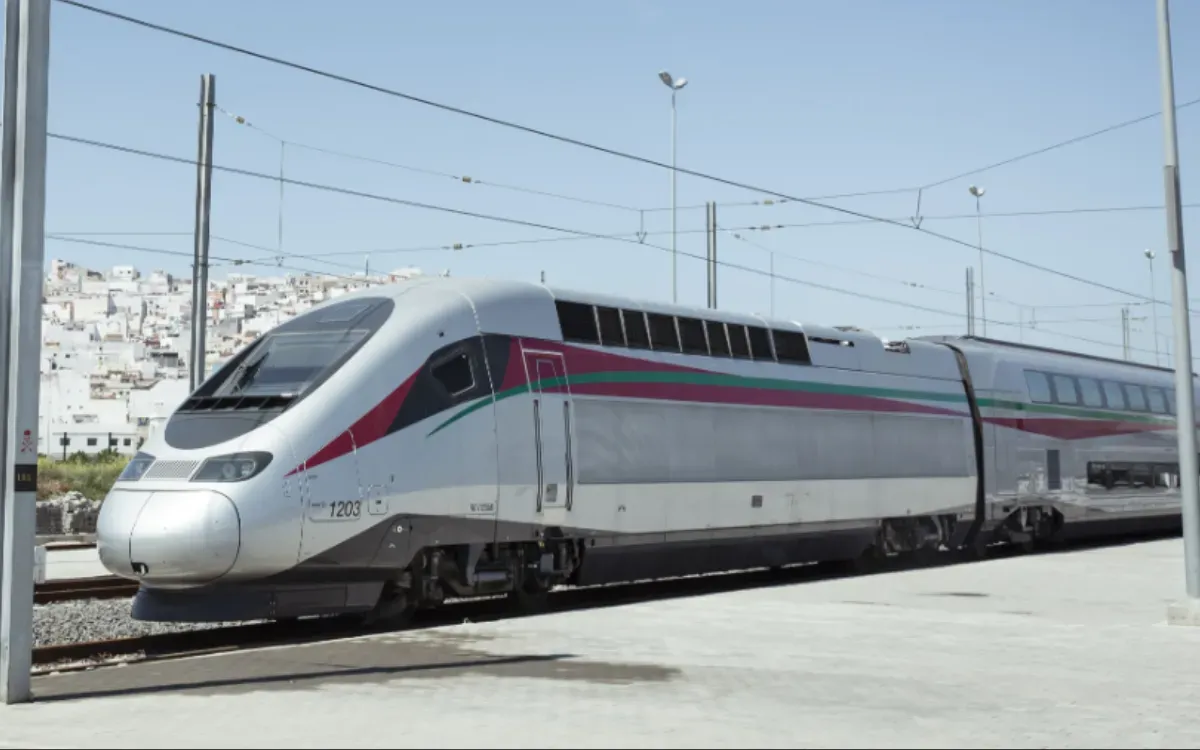
The economic model of the Al Boraq high-speed train continues to demonstrate increasing profitability, with operational surpluses directly contributing to the financing of Morocco's railway network expansion, as confirmed by the Ministry of Transport. In a recent parliamentary response, Transport and Logistics Minister Abdessamad Qayouh stated that commercial revenues significantly exceed operational costs. This positive dynamic generates a surplus that not only aids in financing infrastructure but also invigorates the local economy.
The National Office of Railways (ONCF) is fulfilling all its financial commitments to suppliers, banks, and the administration, ensuring that the fiscal situation of high-speed operations remains in good standing, seamlessly integrating into the overall declarations of the establishment. The success of this structural project hinges on three major pillars: stringent cost management, a flexible pricing policy that aligns with the purchasing power of travelers, and the mobilization of sustainable financing under preferential conditions. The strategic reliance on national expertise and clean energy significantly reduces maintenance costs, bolstering the environmental impact of the network.
Remarkable Revenue Growth
From an accounting perspective, the revenues generated by Al Boraq have surged by an impressive 92%, rising from 407 million dirhams in 2019 to 780 million in 2024. This revenue now represents 28% of the total sales of passenger services. Such commercial vitality is directly reflected in the gross operating profit of the railway operator, which has seen a striking increase of 95% over the same five-year period, climbing from 995 million dirhams to 1.949 billion dirhams.
The ONCF has launched a tender worth 104 million dirhams for connecting three electrical substations, marking a significant technical milestone for the extension of the high-speed line to Marrakech. A decade after the launch of Al Boraq, Morocco is reaching a pivotal moment in the restructuring of its transport system. This new impetus transcends the mere operation of a prestigious line, carving out a comprehensive strategy aimed at transforming the movement of people and goods across the nation.
In line with its agreement with the ONCF, the Moroccan government will continue to finance studies and the acquisition of real estate associated with the expansion of the high-speed rail network towards the cities of Marrakech and Agadir, indicating a robust commitment to enhancing the country's transport infrastructure.
As reported by bladi.net.