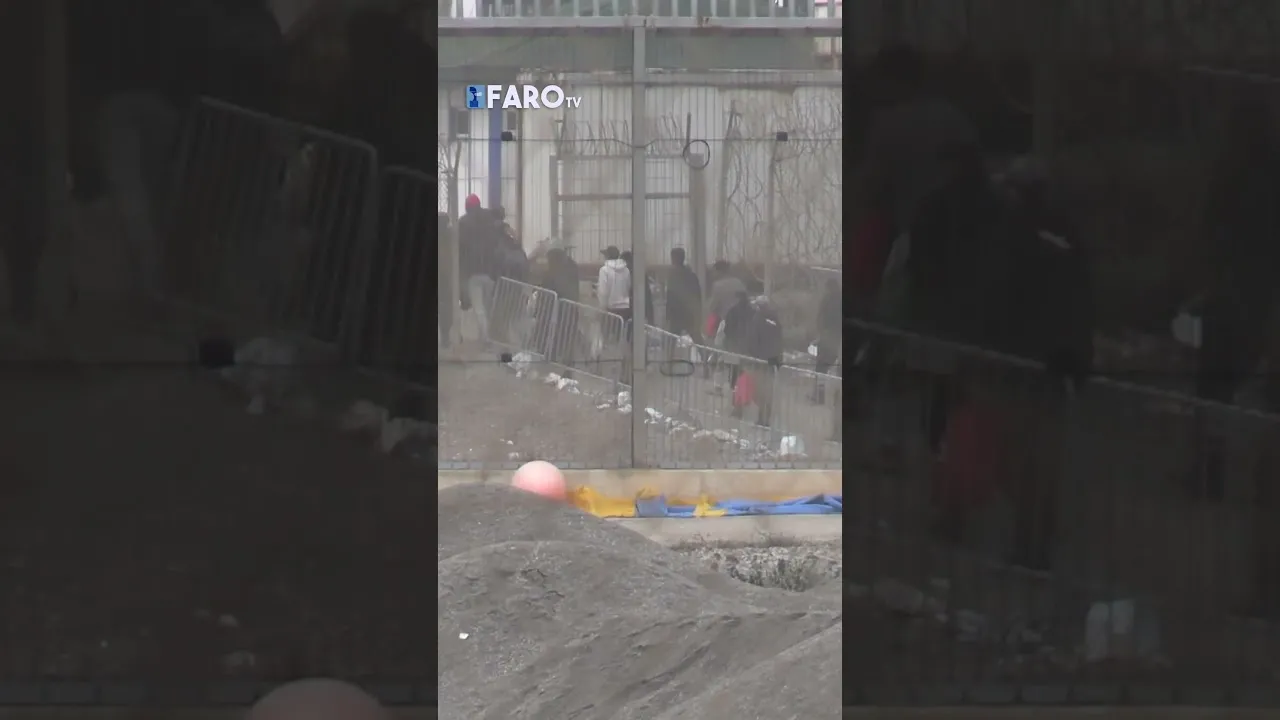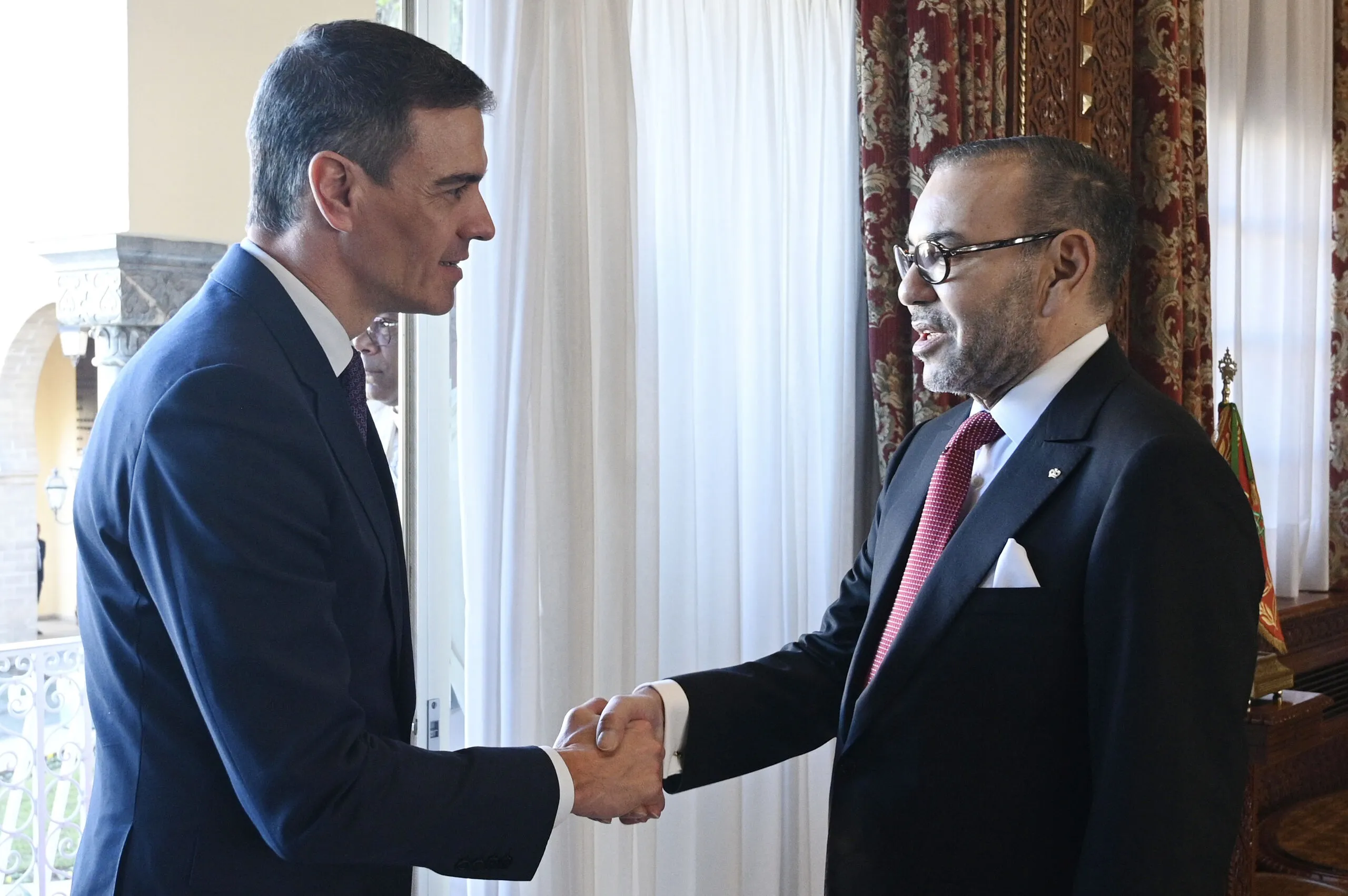

The relationship between Spain and Morocco has long been characterized by a state of tension, juxtaposed with the necessary cooperation that must exist between neighboring countries. This delicate balance is often disrupted by Rabat whenever it senses a weakness in the Spanish government, utilizing migratory pressure as a tool for leverage. In response, Spanish Prime Minister Pedro Sánchez has opted to commend the Moroccan regime rather than employ the tools available to him to ensure reciprocity in their bilateral relations.
With the strategic leverage of the Western Sahara already lost, one of the most effective pressure tactics against Morocco could involve reassessing the trade agreements between the two nations, especially those with the European Union. Spain has emerged as Morocco's primary trading partner, with annual exchanges surpassing €22.5 billion and potentially reaching €26 billion when services are included, as outlined on the website of the Ministry of Economy.
Furthermore, Spain is the leading destination for Spanish investment in Africa, with a cumulative value of €2.31 billion and over 25,000 jobs created across strategic sectors such as energy, automotive, agri-food, textiles, tourism, and infrastructure, as detailed by the Ministry’s report.
An Increasingly Imbalanced Trade Balance
The interests of both countries are mutual; however, the commercial balance increasingly favors Morocco each year, leading to a situation where imports nearly equal exports. In this scenario, Morocco stands to lose more if tariffs were reinstated, as Spain accounts for 25% of Moroccan exports. According to reports from Libre Mercado, imports of Moroccan products into Spain have surged by 60% since Sánchez assumed office, resulting in an increased dependency. Additionally, Spain facilitates the transit of goods to the rest of the EU, with which Morocco has maintained a free trade agreement since 2000.
Moreover, Morocco receives around €7 billion in aid and loans from Europe, with slightly more than €1 billion coming from Spain, according to data from the Ministry of Foreign Affairs. Spain also funds critical infrastructure and sectors for Morocco, aiming to maintain a balance in their relations, which was disrupted just three weeks ago when 70,000 individuals entered Ceuta.
The 2030 World Cup
On top of these interests lies the upcoming organization of the 2030 FIFA World Cup, which also sees collaboration from Morocco, thanks to the mediation of Sánchez's government. There is now uncertainty about whether the final could take place in Casablanca if Spain does not intervene. As a major footballing power, Spain's actions in this regard could prove pivotal. Political parties such as Vox and Sumar have already called for the removal of Morocco as a co-host, in response to the recent incursion into Spanish territory, which would have severe economic repercussions for Morocco.
As reported by libertaddigital.com.