
The Heartbreaking Tale of Migration from Morocco to Spain
In late July, as the border to Ceuta briefly opened, thousands of Moroccans attempted to reach Spain, a journey fraught with peril and heartbreak. Among those who lost their lives in this desperate bid for a better future was 26-year-old Faten El Azizi. The grief-stricken community of Tétouan, located in northern Morocco, mourns not only the loss of Faten but also the tragic reality that drives so many to risk everything for the hope of a brighter tomorrow.
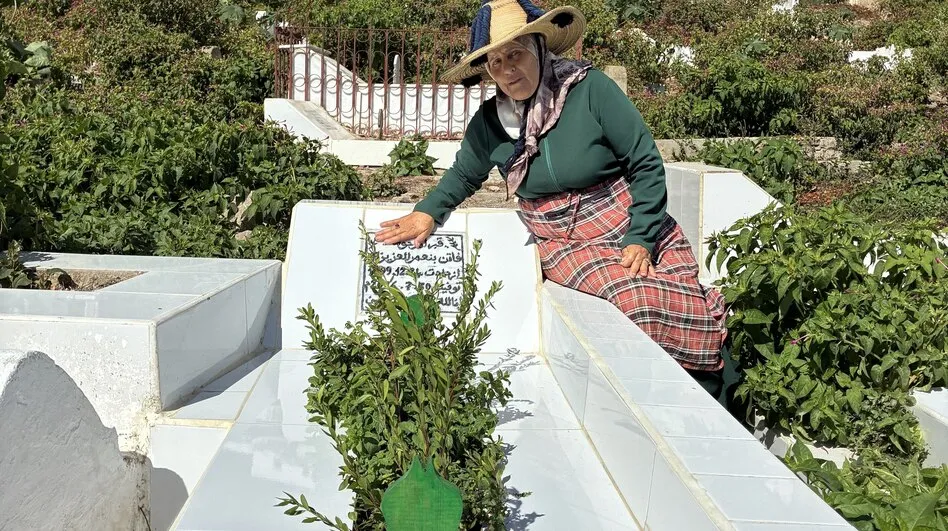
The main cemetery in Tétouan is a somber place, adorned with simple graves that mirror the lives of those interred there. Green myrtle branches, placed by Jamila Ben Omar El Aziz, serve as a poignant reminder of the deceased. Jamila, a familiar figure at the cemetery, spends her Fridays preparing the graves and ensuring that the memories of the departed are honored. She finds comfort in her routine, often welcoming mourners who come to pay their respects. However, on this particular Friday, the atmosphere is heavy with unspoken fears and anxieties. The streets are unusually quiet, as many are drawn to the prospect of crossing into Ceuta, a Spanish enclave just a stone's throw away.
As Jamila reflects on the unfolding events, she recalls a conversation with her son Montaser about the open border. With many young people eager to seize the opportunity, the air is thick with the promise of escape. Faten, Jamila's daughter, and her sister Amira, along with Montaser and a friend, decide to embark on the journey together. The excitement of the potential for a new life fuels their determination, as they venture towards the border, leaving behind the struggles of their daily lives in Tétouan.
The Perils of Migration and the Search for a Better Life
The journey to Ceuta is not just a physical one; it represents a desperate leap towards hope for a better future. For many young Moroccans, Spain symbolizes the possibility of escaping the crushing weight of unemployment and poverty. In Morocco, youth unemployment stands at a staggering 38%, with many under 30 working in the informal sector, often without any social security. The allure of a more prosperous life in Spain is a powerful motivator, despite the inherent dangers involved in such a perilous crossing.
On that fateful day, as Faten and her companions reach the shore, the tranquil waters of the Mediterranean harbor a hidden danger. The concrete wall built at the Moroccan-Spanish border looms ominously, a stark reminder of the obstacles they must overcome. Thousands of individuals plunge into the waves, driven by desperation and hope. Tragically, Faten's attempt to assist her sister Amira leads to her drowning, a loss that reverberates through her family and the community.
In the aftermath, the Moroccan police recover 11 bodies, but NGOs report that over 140 individuals may have perished in this tragic event. Jamila, heartbroken and inconsolable, is compelled to identify her daughter’s remains in the morgue. Faten, who had dedicated her life to her family and her passion for soccer, represented the dreams of many young Moroccans who yearn for a chance to thrive.
This tragic narrative reflects a broader crisis faced by young Moroccans. As they navigate a landscape marked by economic hardship and social turmoil, the desire for a better life remains unyielding. The complexities of migration, intertwined with historical ties between Morocco and Spain, paint a vivid picture of desperation and hope. With the struggle for survival and dignity at the forefront, Faten El Azizi’s story stands as a poignant reminder of the human cost of migration and the dreams that drive individuals to risk everything for a chance at a new life. As reported by taz.de.