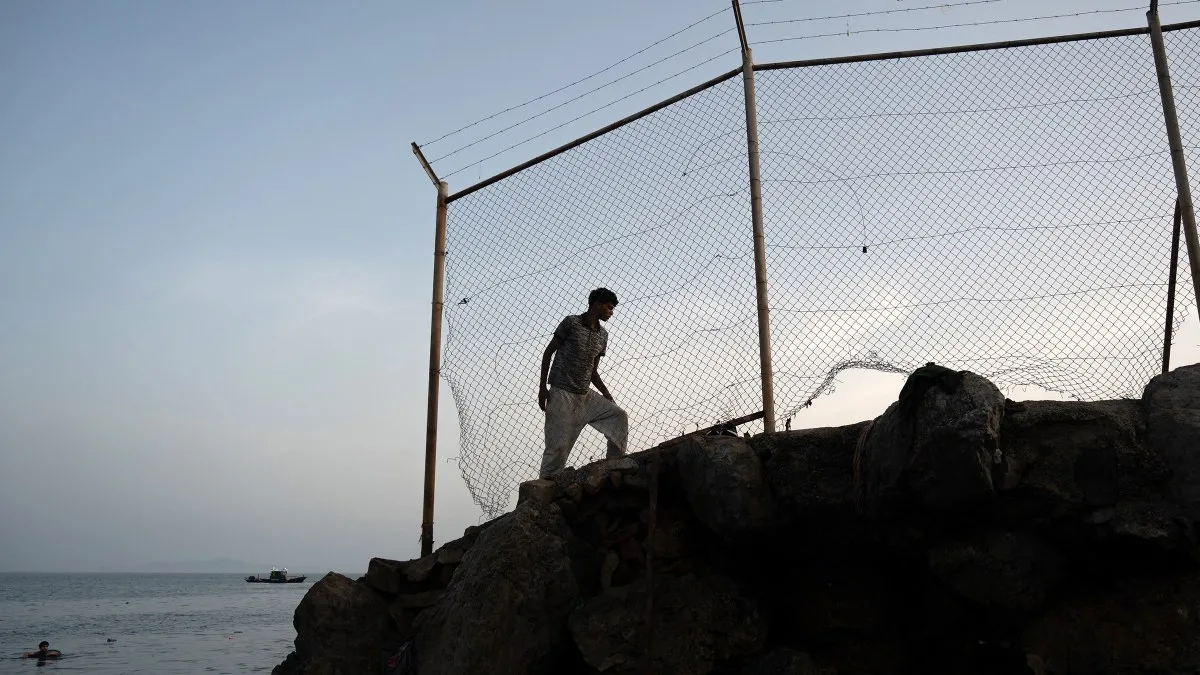

The story of El Azizi, a Moroccan woman who was both a footballer and a cemetery worker due to insufficient income, epitomizes the plight of many who have faced the dire consequences of migration. Tragically, she was one of at least 141 individuals who lost their lives during the recent surge at the Spanish exclave of Ceuta. This event has not only highlighted the human cost of migration but has also catalyzed a complex political response within Europe.
In light of this crisis, the European Union is contemplating a controversial strategy to deport rejected asylum seekers to third countries far beyond its borders, with nations like Uganda and the authoritarian regime of Uzbekistan under consideration. The question remains as to which countries will ultimately be chosen by Brussels for this strategy, as the EU grapples with balancing humanitarian responsibilities against political pressures.
Morocco's annexation of Western Sahara adds another layer of complexity to the situation, as the kingdom seeks to maintain strong economic relations with the EU through lobbying efforts in Brussels. This move raises concerns about the legitimacy of its actions in the eyes of international law, as Rabat attempts to secure support for its controversial claims.
As the events in Ceuta unfolded, the EU's response to migrant influxes has become increasingly restrictive, further isolating those in desperate situations. While individuals struggle for survival, right-wing factions within Europe are leveraging this tragedy for political gain, exploiting the fears surrounding migration as a means to bolster their electoral prospects.
Following reports that over 70,000 Moroccans attempted to reach Ceuta, many swimming across the narrow sea that separates them from Spain, 22 EU member states urged Commission President Ursula von der Leyen to convene an emergency meeting of interior ministers. Italy's immediate response was to suspend visa-free travel from Spain and reintroduce border controls, a reaction that laid bare the political ramifications of such a migration crisis.
The situation has starkly illuminated how crises of this nature can fuel the rise of far-right parties in Europe, which adeptly manipulate public sentiment against immigrants to serve their political agendas. Italian Prime Minister Giorgia Meloni, facing dwindling electoral prospects, has taken a leading role in criticizing Spain, opting to reinstate border controls rather than demonstrate solidarity with a fellow European government. This stance has received public support from Danish Prime Minister Mette Frederiksen, further complicating the European unity narrative.
The EU's previous swift response to a similar crisis in 2021, when 8,000 individuals sought to cross into Melilla, contrasts sharply with the current situation, where multiple EU governments have shifted blame onto Spain for a crisis it did not instigate. Ursula von der Leyen's cautious approach may reflect an awareness of the delicate political landscape surrounding immigration issues in Europe.
At the heart of the crisis lies a recent ruling by Spain's Supreme Court regarding a migrant who attempted to swim to Ceuta but was intercepted and returned to Morocco. The court's decision distinguished between maritime and land border crossings, ultimately ruling that individuals arriving by sea cannot be automatically returned. This legal nuance was quickly disseminated on social media, encouraging many desperate individuals to attempt the perilous journey.
Moreover, factors such as a viral TikTok campaign calling for mass crossings and a lack of effective preventive measures by Moroccan authorities further fueled the crisis. The inability of Moroccan officials to contain the situation raises questions about the motivations and effectiveness of their security protocols.
Spanish authorities, experienced in handling attempted crossings, found themselves under scrutiny for failing to anticipate such a massive mobilization of individuals seeking refuge. The political implications for Prime Minister Pedro Sánchez are significant, as he faces pressure from both domestic right-wing factions and the broader European landscape, where extremist parties are eager to capitalize on the crisis to undermine progressive governments.
Underlying these political dynamics is the stark reality that many young Moroccans see little hope for a future in their own country. With 1.5 million individuals aged 14 to 24 neither in education, training, nor employment, the frustration grows as the job market fails to keep pace with the increasing educational attainment of the youth. The disparity in living standards—where Ceuta's GDP per capita is significantly higher than that of Morocco—only exacerbates the desire to seek better opportunities abroad.
Ultimately, the crisis at Ceuta serves as a painful reminder of how fragile European solidarity can be in the face of migration pressures, particularly when political expediency takes precedence over humanitarian concerns. With elections on the horizon in several European nations, the temptation to adopt hardline immigration policies may only intensify, potentially setting a troubling precedent for the future of migration in Europe.
As reported by freitag.de.